
Short Answer
What Is Cinghiale? Italian Wild Boar Explained
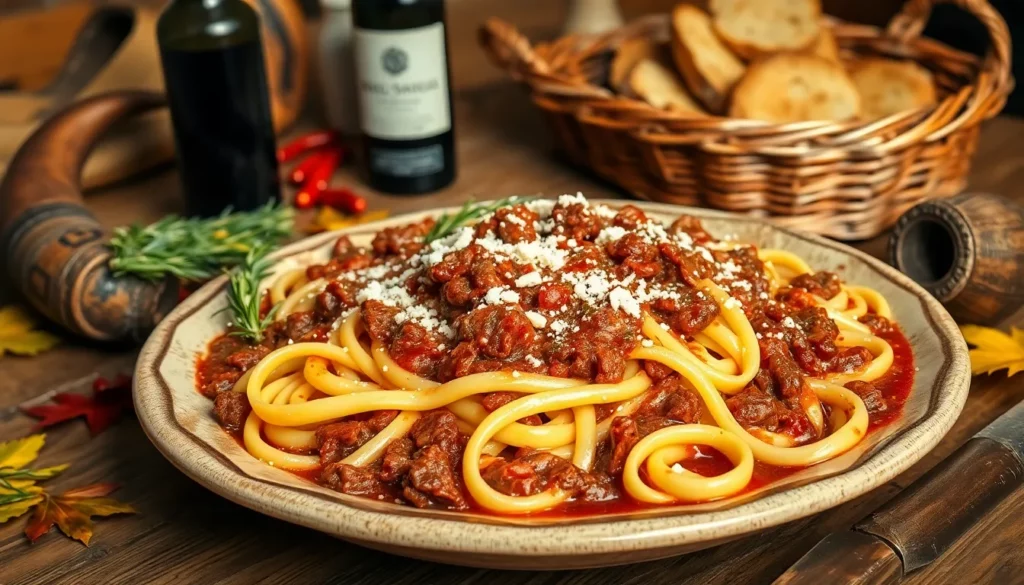
Cinghiale (pronounced cheen-GYAH-leh) is the Italian term for wild boar, a game meat deeply rooted in the culinary traditions of central Italy, especially Tuscany, Umbria, and the Marche. Unlike domesticated pork, cinghiale offers a leaner, darker, and more intensely flavored meat with a distinct earthy and nutty profile. It is typically prepared in slow-cooked ragùs, stews, roasts, and even cured sausages. The key ingredients often include red wine, aromatic herbs like rosemary and sage, garlic, tomatoes, and sometimes juniper berries or chocolate for depth. Cinghiale is not a single dish but a versatile ingredient that appears in various regional specialties, from pappardelle al cinghiale to cinghiale in dolceforte.
Origin & History
The consumption of wild boar in Italy dates back to ancient times. Etruscans and Romans hunted cinghiale for its meat, and it remained a staple of rural diets through the Middle Ages. The modern culinary tradition, however, solidified in the Renaissance, particularly in Tuscany, where the Medici court prized game meats. Historical cookbooks like Il Cuoco Segreto di Papa Pio V (16th century) include recipes for wild boar. A unique anecdote: in the Maremma region, hunters would marinate cinghiale in wine and herbs for days to tenderize the meat and reduce its strong gamey flavor. Today, cinghiale is celebrated in autumn festivals (sagre) across central Italy, marking the hunting season.
What’s In It
The core ingredients for a classic cinghiale preparation vary by dish, but common elements include:

- Meat: Wild boar shoulder, leg, or loin, often cut into chunks for stews or ground for ragù.
- Aromatics: Onion, carrot, celery (soffritto), garlic, fresh rosemary, sage, and bay leaves.
- Liquid: Robust red wine (Chianti or Montepulciano), tomato passata or crushed tomatoes, and sometimes broth.
- Flavorings: Juniper berries, cloves, cinnamon, black pepper, and occasionally dark chocolate or cocoa powder (in dolceforte style).
- Fat: Olive oil or lardo for browning; the lean meat often requires added fat.
Preparation nuances: The meat is typically marinated overnight in wine and herbs to tenderize and mellow the gamey taste. Slow cooking for 2–3 hours is essential to break down connective tissue. Unlike similar dishes like ragù alla bolognese, cinghiale ragù uses game meat and often includes wine and juniper, giving it a more robust, slightly sweet-sour profile.
Regional Variations
Cinghiale preparations differ markedly across Italy. The table below highlights three major regional styles:
| Region | Typical Dish | Key Characteristics |
|---|---|---|
| Tuscany | Pappardelle al cinghiale | Wide egg pasta ribbons with a slow-cooked ragù of wild boar, red wine, tomato, and rosemary. Often served with grated pecorino. |
| Umbria | Cinghiale in dolceforte | A sweet-and-sour stew with chocolate, pine nuts, raisins, and vinegar. Reflects medieval Arab influences. |
| Marche | Porchetta di cinghiale | Boneless wild boar rolled with wild fennel, garlic, and rosemary, then roasted slowly. Served sliced in sandwiches or as a main. |
Other notable variations: in Lazio, cinghiale is often braised with olives and capers; in Sardinia, it is roasted with myrtle leaves. Each region adapts the meat to local herbs and traditions.
How It’s Traditionally Eaten
Cinghiale dishes are typically served as a secondo (main course) or as a sauce for pasta (primo). Pappardelle al cinghiale is a classic primo, while roasted cinghiale with roasted potatoes or polenta is a hearty secondo. Pairings include full-bodied red wines like Chianti Classico, Brunello di Montalcino, or Sagrantino di Montefalco. Cinghiale is often reserved for special occasions: autumn hunting feasts, Christmas dinners in Tuscany, and local sagre (festivals) celebrating the harvest. It is not an everyday dish due to the limited availability and strong flavor.
Common Mistakes / What It’s Not
Many American-Italian misconceptions surround cinghiale. It is not the same as domestic pork; wild boar is leaner and gamier. It is not a quick-cooking meat; skipping the marinade or slow simmer results in tough, dry meat. It is not a dish that should be overwhelmed with heavy spices; the natural flavor should shine. Also, cinghiale is not a specific dish but an ingredient—ordering “cinghiale” in Italy will get you a preparation, not a single recipe. Avoid confusing it with cinghiale in agrodolce (sweet and sour) which is a specific Umbrian style.
Where to Try It / What to Order
For an authentic experience, visit central Italy during autumn (October–December). In Tuscany, head to Osteria del Cinghiale in Florence or Ristorante La Torre in Castellina in Chianti. In Umbria, Taverna De’ Gusti in Perugia serves excellent cinghiale in dolceforte. In the Marche, look for porchetta di cinghiale at local sagre like the Sagra del Cinghiale in Cingoli. When ordering, ask for pappardelle al cinghiale as a pasta course, or cinghiale alla cacciatora (hunter-style stew). Pair with a local red wine and finish with a slice of panforte.
Related Dishes
FAQ
What does cinghiale taste like?
Cinghiale has a rich, earthy, and nutty flavor with a distinct gamey note. It is leaner and more intense than domestic pork, often compared to a cross between pork and venison.
Is cinghiale the same as wild boar?
Yes, cinghiale is the Italian word for wild boar. In culinary contexts, it refers to the meat of the wild boar (Sus scrofa) as prepared in Italian cuisine.
How is cinghiale traditionally cooked?
Cinghiale is typically marinated overnight in red wine, garlic, and herbs to tenderize and mellow the gamey flavor. It is then slow-cooked for hours in a ragù, stew, or roasted until tender. Common methods include braising, roasting, and simmering in sauces.
Can I substitute cinghiale with pork?
While pork can be used as a substitute, it will lack the distinctive gamey flavor and leanness of wild boar. For a closer match, use a mix of pork shoulder and venison, or add juniper berries and red wine to mimic the taste.
Where can I buy cinghiale meat?
In Italy, cinghiale is available at specialty butcher shops (macellerie) during hunting season. Outside Italy, look for frozen wild boar at gourmet markets or online game meat suppliers.

Leave a Reply