
Short Answer
What Is Ditalini? Italian Pasta Explained
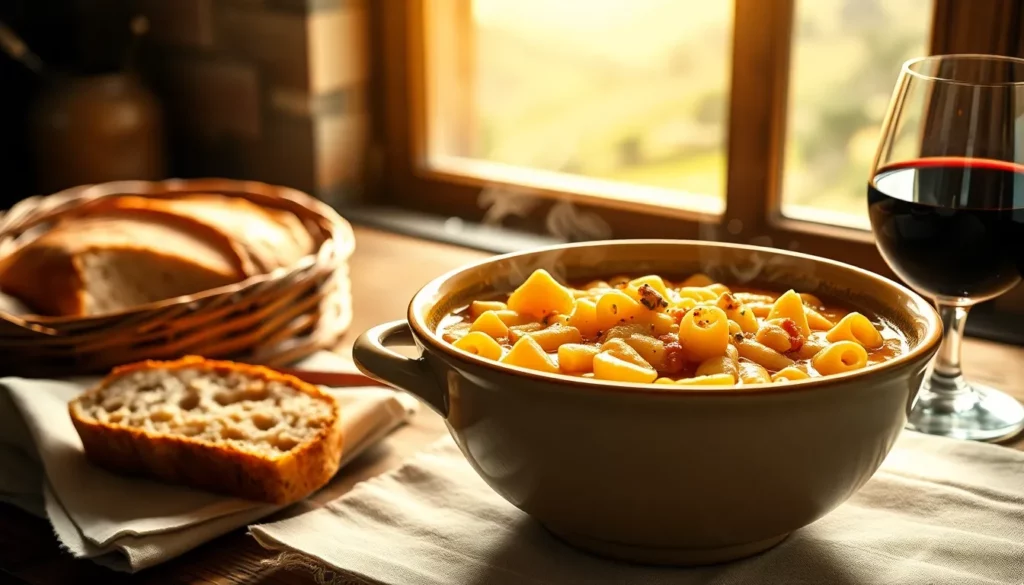
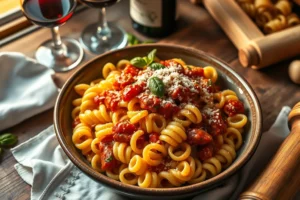
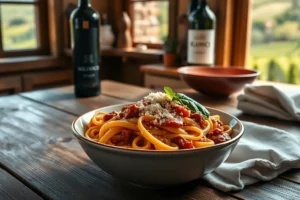
Ditalini (pronounced dee-tah-LEE-nee) is a small, short-cut tubular pasta, typically about 5–6 mm in length and 2–3 mm in diameter. Its name derives from the Italian word dito (finger), with the suffix -ini meaning small, thus “little thimbles” or “little fingers.” This pasta shape is a staple of Southern Italian cuisine, particularly in Campania and Sicily, where it is most commonly used in hearty soups (minestre) and bean-based dishes. Ditalini is made from durum wheat semolina and water, extruded through bronze dies to create a rough surface that helps sauces and broths cling. Its small size and hollow center make it ideal for capturing liquid, ensuring every spoonful is flavorful.
Origin & History
Ditalini emerged in the southern regions of Italy, likely in Campania or Sicily, during the 19th century. The first documented references appear in Neapolitan cookbooks from the late 1800s, where it was called ditali (larger version) or ditalini (smaller). The shape was originally hand-cut from sheets of pasta dough, but industrialization in the early 20th century standardized its production. Unlike some pasta shapes with mythical origins (e.g., pasta shapes inspired by nuns), ditalini’s history is practical: it was designed to cook quickly and evenly, making it ideal for the frugal cucina povera (peasant cooking) of Southern Italy. In Sicily, ditalini became a key ingredient in minestra di pasta e fagioli (pasta and beans), a dish that sustained generations of farmers. Today, it remains a beloved comfort food, especially in winter.
What’s In It
Authentic ditalini contains only two ingredients: durum wheat semolina and water. High-quality versions are made with 100% semolina from hard durum wheat, which gives the pasta its firm texture and golden color. The dough is extruded through bronze dies, creating a porous surface that better holds sauce. Some artisanal producers may add a small amount of farina di grano tenero (soft wheat flour) for a softer bite, but traditional ditalini is strictly semolina. The pasta is then dried slowly at low temperatures to preserve flavor and structure. Unlike fresh pasta, ditalini is always dried, making it a pantry staple. It is often confused with ditali (slightly larger) or tubettini (even smaller), but ditalini is distinct in its size and typical use in soups rather than baked dishes.
Regional Variations
While ditalini is a standard shape across Italy, its use varies by region. Below is a comparison of three major areas:
| Region | Typical Dish | Key Ingredients | Preparation Style |
|---|---|---|---|
| Campania (Naples) | Minestra di pasta e fagioli | Ditalini, cannellini beans, tomato, garlic, rosemary, olive oil | Thick, stew-like soup; often served with grated Pecorino Romano |
| Sicily | Minestra di ditalini con broccoli | Ditalini, broccoli (or broccoletti), anchovies, saffron, breadcrumbs | Brothy soup with a drizzle of olive oil and toasted breadcrumbs on top |
| Lazio (Rome) | Pasta e ceci (with ditalini) | Ditalini, chickpeas, rosemary, garlic, tomato passata, guanciale (optional) | Rustic, creamy soup; often finished with a splash of olive oil and black pepper |
In other regions like Puglia, ditalini may be used in cime di rapa (turnip greens) soups, while in Calabria it appears in spicy peperoncino-laced broths. The common thread is that ditalini is almost always served in a liquid-based dish, never as a dry pasta with a thick sauce.
How It’s Traditionally Eaten
Ditalini is exclusively a primo piatto (first course) in Italian meals, typically served as a soup (minestra). It is never eaten as a main course or contorno. The pasta is cooked directly in the broth or added to a pre-prepared soup base, allowing it to absorb flavors. It is usually served piping hot, often with a drizzle of extra-virgin olive oil and a grating of hard cheese like Pecorino Romano or Parmigiano-Reggiano. In Southern Italy, it is a staple of cucina povera and is eaten year-round, but especially during cold months. It is also a common dish for Festa della Repubblica (June 2) in some areas, where it is served as a simple, communal meal. Ditalini is not typically associated with holidays; rather, it is everyday comfort food.
Common Mistakes / What It’s Not
Many American-Italian adaptations misuse ditalini. Common errors include:
- Using ditalini in cold pasta salads – Ditalini is too small and soft for salads; it becomes mushy. Use ditali or orzo instead.
- Overcooking – Ditalini should be al dente, even in soup. Cook it separately or add it late to avoid mushiness.
- Treating it as a dry pasta with heavy sauce – Ditalini is designed for broths, not thick ragùs. Its small size cannot support heavy sauces.
- Confusing it with ditali or tubettini – Ditali are larger (about 1 cm), tubettini are smaller (like tiny tubes). Use the correct size for the dish.
Ditalini is not a pasta for baked casseroles (like pasta al forno) or for stuffing. It is also not a fresh pasta; it is always dried.
Where to Try It / What to Order
To experience authentic ditalini, visit Southern Italy. In Naples, seek out a trattoria serving minestra di pasta e fagioli – look for a thick, bean-rich soup with ditalini. In Sicily, order minestra di ditalini con broccoli at a family-run osteria. In Rome, try pasta e ceci with ditalini at a traditional cucina romana restaurant. For travelers, the best time is winter (November–February) when these soups are most common. When ordering, ask for ditalini nella minestra (ditalini in soup) and specify al dente if you prefer firmer pasta. Avoid touristy spots that serve ditalini in non-traditional ways (e.g., with cream or seafood).
Related Dishes
FAQ
What is the difference between ditalini and ditali?
Ditalini are smaller (5–6 mm) and used primarily in soups, while ditali are larger (about 1 cm) and can be used in soups or baked dishes. The name 'ditalini' means 'little thimbles'.
Can I substitute ditalini with another pasta?
Yes, you can use tubettini, stelline, or orzo for similar soup applications. Avoid large pasta like penne or ziti, which won't cook evenly in broth.
Is ditalini gluten-free?
Traditional ditalini is made from durum wheat semolina and contains gluten. Gluten-free versions exist using rice, corn, or legume flours, but they have different textures.
How do I cook ditalini properly?
Cook ditalini in salted boiling water or directly in the soup broth. For al dente, follow package instructions (usually 8–10 minutes). If adding to soup, cook it separately to avoid overcooking, then add at the end.
What dishes use ditalini besides soup?
Ditalini is almost exclusively used in soups. In some regions, it may appear in light broths with vegetables or legumes, but it is rarely used in cold salads or baked pasta.
Leave a Reply