
Short Answer
What Is Gassato, gasato? Italian Frozen Dessert Explained
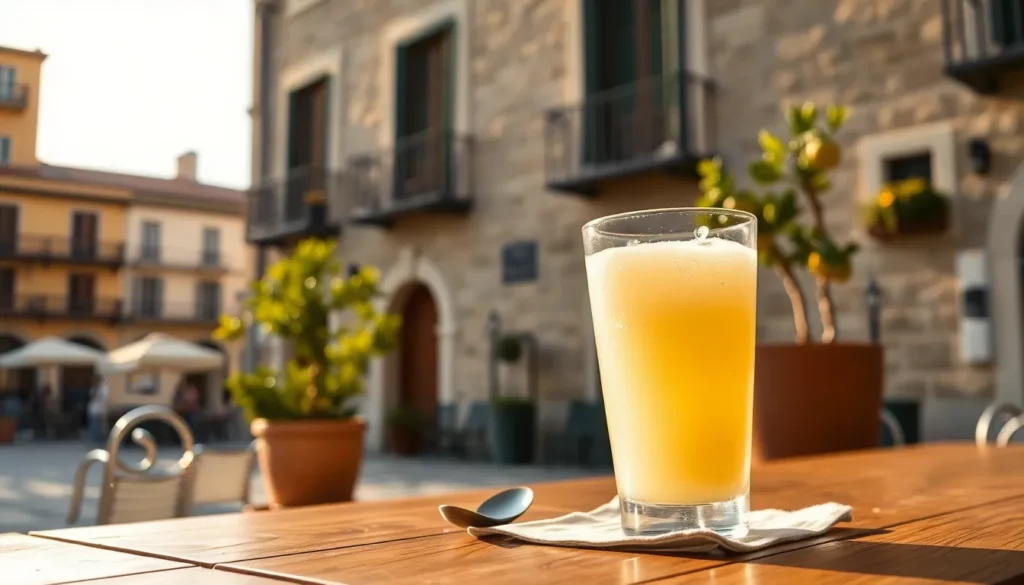
Gassato (also spelled gasato) is a traditional Italian frozen dessert characterized by its light, airy texture and subtle effervescence. Originating in Sicily, it is made by freezing a mixture of water, sugar, and natural flavorings, then incorporating carbonated water to create a delicate fizz. Unlike granita, which is coarser, gassato is smoother and often served as a palate cleanser between courses or as a refreshing afternoon treat. Key ingredients include fresh fruit juice (such as lemon, orange, or mulberry), sugar, and sparkling mineral water.
Origin & History
The exact origins of gassato are difficult to pinpoint, but most food historians agree that it emerged in the late 19th century in the coastal towns of Sicily, particularly around Palermo and Catania. The invention of commercial carbonation in the 1800s allowed local pastry chefs to experiment with adding fizz to traditional frozen desserts. Early recipes appear in regional cookbooks from the 1880s, where it is called gasato (from the Italian gas, meaning gas). Unlike the myth that it was created by mistake, documented evidence suggests it was a deliberate innovation to mimic the texture of expensive ice creams using cheaper ingredients. The dessert became popular among the working class as a street food, sold by vendors who would freeze the mixture in metal cylinders packed with ice and salt.
What’s In It
The core ingredients of gassato are remarkably simple: water, sugar, fresh fruit juice or puree, and carbonated water. Some modern versions add a stabilizer like egg white or gelatin to improve texture, but traditional recipes avoid them. The preparation involves dissolving sugar in hot water, cooling it, mixing in the fruit juice, then adding sparkling water just before freezing. The mixture is stirred periodically during freezing to break up ice crystals, resulting in a soft, spoonable consistency. Gassato is often confused with granita (which has a coarser, icy texture) and sorbetto (which is denser and not carbonated). The key differentiator is the presence of carbonation, which gives gassato a unique tingling sensation on the tongue.
Regional Variations
While gassato is most strongly associated with Sicily, variations exist across southern Italy. The table below highlights key differences:
| Region | Flavor Profile | Texture | Serving Style |
|---|---|---|---|
| Sicily (Palermo) | Lemon, mulberry, or almond | Soft, almost creamy | In a glass with a straw, often topped with whipped cream |
| Campania (Naples) | Lemon, coffee, or wild strawberry | Slightly icier, more like granita | In a paper cup, eaten with a small spoon |
| Calabria | Bergamot, fig, or jasmine | Light and fluffy | As a palate cleanser between courses in formal meals |
In Sicily, gassato is often made with local citrus or wild berries, while in Campania coffee and chocolate versions are common. Calabrian cooks sometimes infuse the base with floral notes like jasmine or orange blossom.
How It’s Traditionally Eaten
Gassato is not a dessert for the end of a meal; rather, it is served as a rinfresco (refreshment) in the late morning or mid-afternoon. In traditional Sicilian households, it is offered to guests as a welcome treat during hot summer months. It can also be served as a palate cleanser between courses in a multi-course meal, much like a sorbet. Unlike gelato, gassato is never eaten with a cone; it is always served in a glass or small cup, often with a straw or a tiny spoon. On feast days, such as the Festa di Santa Rosalia in Palermo, street vendors sell gassato in paper cups topped with a splash of liqueur (like limoncello or almond liqueur).
Common Mistakes / What It’s Not
Many American-Italian restaurants mistakenly label any fruit-flavored ice as “Italian ice” or “water ice,” but gassato is distinct. It is not a slushie (which is artificially flavored and often contains corn syrup). It is not a sorbet (which is denser and not carbonated). It is not a granita (which has a coarser, crystalline texture). The most common mistake is assuming that gassato is simply a brand name for a commercial product; in fact, it is a traditional homemade dessert. Another misconception is that it must be made with an ice cream machine; traditional gassato is made by hand, using a metal bowl and a fork to scrape and stir the freezing mixture.
Where to Try It / What to Order
To experience authentic gassato, head to Sicily. In Palermo, visit the historic Antica Focacceria San Francesco or the Pasticceria Cappello for a lemon gassato. In Catania, try Pasticceria Savia for a mulberry version. During summer, look for street vendors near the Piazza del Duomo in Syracuse. When ordering, ask for “un gassato al limone” (a lemon gassato) or “un gasato di gelsi” (mulberry gassato). If you are outside Italy, seek out Italian specialty shops that import artisanal frozen desserts, or try making it at home using a simple recipe with sparkling water and fresh fruit juice.
Related Dishes
FAQ
What is the difference between gassato and granita?
Gassato is carbonated and has a softer, airier texture, while granita is not carbonated and has a coarser, icy crystal structure.
Can I make gassato at home without an ice cream machine?
Yes. Traditional gassato is made by hand: freeze the mixture in a metal bowl and stir with a fork every 20 minutes until it reaches a soft, spoonable consistency.
Is gassato the same as Italian ice?
No. Italian ice (also called water ice) is a commercial product that is denser and often artificially flavored. Gassato is a traditional homemade dessert with natural ingredients and carbonation.
What are the most authentic flavors of gassato?
Lemon, mulberry (gelsi), almond, and coffee are the most traditional. In Sicily, wild strawberry and jasmine are also popular.
Where can I find gassato outside of Italy?
It is rare, but some Italian specialty shops and artisanal gelaterias in major cities may offer it. Your best bet is to make it at home using a simple recipe.
Leave a Reply