
Short Answer
What It Is
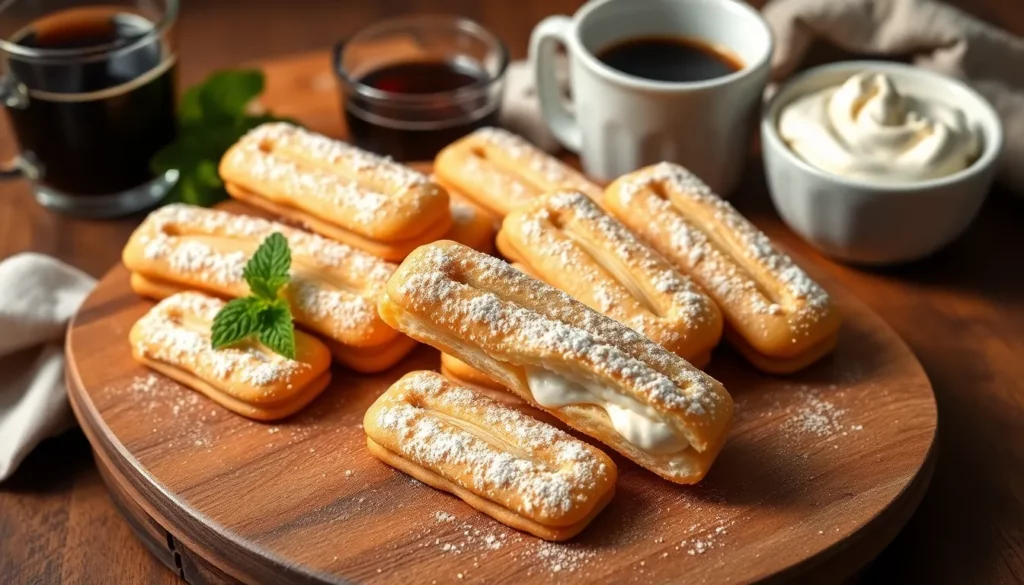
Ladyfingers, known in Italian as savoiardi, are light, dry, sponge-like biscuits that are a cornerstone of Italian pastry. Their name derives from the Savoy region (Piedmont), where they were reportedly created in the 15th century for the court of the Dukes of Savoy. The traditional production method involves piping a batter made from egg yolks, sugar, flour (often with a small amount of cornstarch), and stiffly beaten egg whites into finger-shaped lengths, then dusting with powdered sugar and baking until golden and dry. The result is a biscuit with a crisp exterior and a soft, airy interior that readily absorbs liquids.
The Savoiardo Piemontese has been granted Protected Geographical Indication (PGI) status by the European Union, ensuring that only biscuits produced in the Piedmont region according to strict traditional methods can bear this label. The PGI specification mandates the use of fresh eggs, wheat flour, sugar, and natural flavorings, with no artificial additives. This certification protects the heritage and quality of authentic ladyfingers.
Types & Grades
While the classic savoiardo is the most recognized, there are variations in size, texture, and production scale. The following table outlines the main types and grades:

| Type | Description | Typical Use |
|---|---|---|
| Savoiardo Piemontese PGI | Authentic, artisanal biscuits from Piedmont; made with fresh eggs, no preservatives; elongated shape, pale golden color, fine sugar crust. | Tiramisù, charlotte, zuppa inglese |
| Industrial Ladyfingers | Mass-produced, often softer and sweeter; may contain leavening agents or artificial flavors; uniform shape. | Quick desserts, layered cakes |
| Gluten-Free Ladyfingers | Made with rice flour or other gluten-free flours; texture may be denser. | Gluten-free tiramisù |
| Mini Ladyfingers | Smaller versions used for bite-sized desserts or garnishes. | Petit fours, decorative elements |
Grades are primarily determined by ingredient quality and adherence to traditional methods. Artisanal PGI savoiardi are considered the highest grade, while industrial versions are more accessible but less authentic.
How It’s Used in Cooking
Ladyfingers are prized for their ability to absorb liquids without disintegrating, making them ideal for layered desserts. The most iconic application is tiramisù, where savoiardi are briefly dipped in espresso and layered with mascarpone cream, cocoa, and sometimes liqueur. Other traditional Italian dishes include:
- Zuppa Inglese – a trifle-like dessert with layers of ladyfingers soaked in liqueur, custard, and chocolate.
- Charlotte – a molded dessert lined with ladyfingers and filled with mousse or cream.
- Biscuit roulé – ladyfingers can be used as a base for rolled cakes.
- Crumb crusts – crushed ladyfingers mixed with butter form a base for cheesecakes or tarts.
“Savoiardi are the silent architects of Italian desserts – they provide structure while surrendering to the flavors around them.” – Accademia Italiana della Cucina
In professional kitchens, ladyfingers are often made in-house for superior texture and freshness. The dry nature of savoiardi also makes them a popular snack on their own, especially when paired with coffee or sweet wine.
How to Choose/Identify Authentic Ladyfingers
For those seeking authentic Italian ladyfingers, especially for tiramisù, consider the following cues:
- Look for the PGI label – “Savoiardo Piemontese” with the EU PGI logo guarantees origin and traditional method.
- Check the ingredient list – authentic savoiardi contain only eggs, sugar, wheat flour, and natural flavorings (e.g., vanilla). Avoid products with hydrogenated fats, artificial flavors, or preservatives.
- Examine the shape and color – genuine ladyfingers are elongated, slightly domed, and pale golden with a fine dusting of powdered sugar. They should be dry to the touch but not brittle.
- Texture test – when lightly pressed, they should feel firm but give slightly. When dipped in liquid, they should absorb quickly without becoming mushy.
- Brand reputation – reputable Italian brands like Vicenzi, Balocco, or artisanal producers from Piedmont are reliable choices.
For commercial buyers, sourcing directly from Italian suppliers or certified PGI producers ensures consistency and authenticity.
Substitutes
While nothing replicates the exact texture of authentic savoiardi, several Italian substitutes can be used in specific contexts:
- Pavesini – smaller, thinner, and more delicate biscuits; ideal for light desserts where a subtle crunch is desired. They absorb liquid quickly, so use sparingly.
- Biscotti (cantucci) – twice-baked almond biscuits; too hard for tiramisù but can be crushed for crusts or used in desserts that require soaking in wine.
- Sponge cake (pan di Spagna) – cut into strips or cubes; provides a similar absorbency but lacks the distinct shape and texture. Best for trifles or charlottes.
- Madeleines – small shell-shaped cakes; can be used as a substitute in a pinch, but their flavor and texture differ significantly.
For tiramisù, Pavesini are the closest substitute, though the result will be less traditional. For other desserts, sponge cake is a versatile alternative.
Conclusion
Ladyfingers, or savoiardi, are a quintessential ingredient in Italian pastry, celebrated for their delicate texture and ability to elevate desserts like tiramisù. Understanding their origin, production, and authenticity markers allows both home cooks and professionals to make informed choices. Whether you opt for PGI-certified savoiardi from Piedmont or a quality substitute, these biscuits remain a testament to the elegance of Italian baking.
FAQ
Are ladyfingers the same as savoiardi?
Yes, ladyfingers are the English name for the Italian biscuit savoiardi. However, authentic savoiardi are specifically from Piedmont and may have PGI certification.
Can I use ladyfingers in tiramisù?
Absolutely. Ladyfingers are the traditional base for tiramisù, where they are dipped in espresso and layered with mascarpone cream.
How should I store ladyfingers?
Store in an airtight container at room temperature away from moisture. They can last for several months if kept dry.
What is the difference between savoiardi and Pavesini?
Pavesini are smaller, thinner, and more delicate than savoiardi. They absorb liquid faster and are often used in lighter desserts.
Leave a Reply