
Short Answer
What Is Limoncello? Italian Liqueur Explained
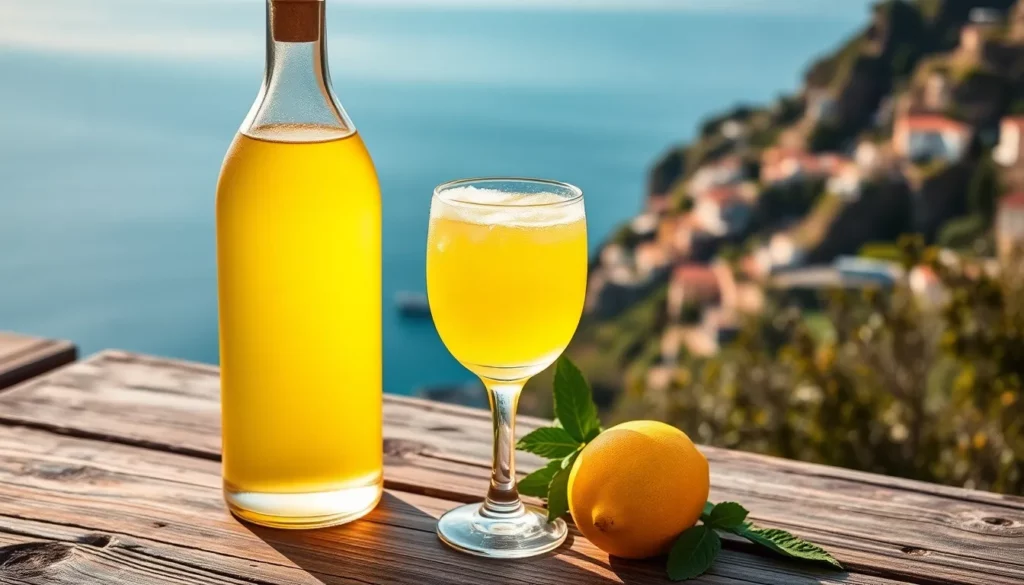
Limoncello is a bright yellow, sweet, and intensely lemon-flavored liqueur that originated in Southern Italy, particularly along the Amalfi Coast and the island of Capri. It is made by steeping lemon zest (the outer peel, free of white pith) in high-proof neutral alcohol, then mixing the infused spirit with a simple syrup of sugar and water. The result is a smooth, aromatic digestivo typically served ice-cold after a meal. Limoncello is protected by the European Union as a Traditional Speciality Guaranteed (TSG) when produced in certain regions of Italy, notably Campania, Sicily, Calabria, and Sardinia. Its key ingredients are Sorrento lemons (sfusato amalfitano), pure alcohol (95% ABV), sugar, and water. The liqueur is known for its vibrant yellow color, which comes naturally from the lemon zest, and its balance of sweetness and citrus tang.
Origin & History
The exact origins of Limoncello are debated, but most historians agree that it emerged in the early 20th century along the Amalfi Coast and the island of Capri. One popular legend credits the nuns of the Convent of Santa Maria della Neve in Capri with creating the first Limoncello in the 1900s, using lemons from their gardens to make a liqueur for guests. Another story attributes its invention to a local fisherman or to the owners of the historic Café Morgano in Capri. What is certain is that the liqueur gained widespread popularity after World War II, when tourism to the Amalfi Coast boomed. The lemons used are the prized “sfusato amalfitano,” a variety with thick, aromatic peel and high essential oil content, grown on terraced hillsides overlooking the Tyrrhenian Sea. Today, Limoncello is produced both industrially and artisanal, and it remains a symbol of Italian hospitality and dolce vita.
What’s In It
Authentic Limoncello contains only four ingredients: lemon zest, neutral alcohol (usually grain alcohol or pure ethanol), sugar, and water. The process begins with carefully peeling the lemons to avoid the bitter white pith. The zest is macerated in alcohol for several days to several weeks, allowing the essential oils to infuse. The alcohol is then filtered and mixed with a simple syrup (sugar dissolved in water). The ratio of alcohol to syrup varies by recipe, but a typical balance is 1:1 or 2:1 (alcohol to syrup). The liqueur is then aged for a short period to meld flavors. Unlike some other Italian liqueurs, Limoncello is not aged in barrels and does not contain herbs or spices. It is distinct from lemon-flavored vodkas or limoncello cream (crema di limoncello), which includes dairy. The alcohol content is usually between 25% and 30% ABV.
Regional Variations
While Limoncello is made throughout Italy, regional differences in lemon varieties, sweetness, and alcohol content create distinct styles. Below is a comparison of three major producing regions:
| Region | Lemon Variety | Characteristics | Typical ABV |
|---|---|---|---|
| Campania (Amalfi Coast) | Sfusato Amalfitano (IGP) | Bright yellow, intensely aromatic, balanced sweetness, smooth finish | 28–32% |
| Sicily | Femminello (Interdonato, Verdello) | Paler color, slightly more tart, often less sweet, higher alcohol | 30–35% |
| Calabria | Rocca Imperiale (IGP) | Golden hue, robust lemon flavor, medium sweetness, sometimes with a hint of bitterness | 25–30% |
Other variations include Limoncello from Sardinia (using Verna lemons) and the island of Procida. Some producers add a touch of lemon juice for acidity, though purists avoid it. The sweetness level can range from very sweet (syrupy) to drier, depending on local preference.
How It’s Traditionally Eaten
Limoncello is almost exclusively consumed as a digestivo, served after a meal to aid digestion. It is typically presented in small, chilled glasses (often frozen) and sipped slowly. The ideal serving temperature is between -2°C and 4°C (28–39°F); many Italians keep the bottle in the freezer. It is not used as a cooking ingredient in traditional Italian cuisine, though modern chefs may incorporate it into desserts or cocktails. Limoncello is also enjoyed as an aperitivo in some regions, but this is less common. It is a staple at festive occasions, family gatherings, and holidays, especially in Southern Italy. The liqueur is often offered to guests as a gesture of hospitality, and it is customary to serve it alongside small cookies or biscotti.
Common Mistakes / What It’s Not
Many misconceptions surround Limoncello, especially outside Italy. First, it is not a lemon-flavored vodka or a simple lemonade; it is a liqueur with a distinct production method. Second, it should not be served at room temperature or over ice (which dilutes it); the proper way is ice-cold from the freezer. Third, Limoncello is not a cocktail ingredient in traditional Italian practice, though it is used in modern mixology. Fourth, the term “Limoncello” is not generic; only products made with Italian lemons and following traditional methods can be labeled as such in the EU. In the United States, many commercial versions use lemon extract or artificial flavors, which lack the complexity of authentic Limoncello. Finally, it is not a dessert itself but a digestivo; it should be enjoyed in small quantities (about 1–2 ounces per serving).
Where to Try It / What to Order
For the most authentic experience, visit the Amalfi Coast or the island of Capri. In towns like Positano, Amalfi, and Sorrento, many family-run limoncello producers offer tastings. Look for artisanal labels such as Limoncello di Capri, Villa Massa, or Pallini. In Sicily, try Limoncello from the Etna region or from producers like Cantine Florio. When ordering in a restaurant, ask for “un limoncello” after your meal; it is often offered on the house. For travelers, the best way to enjoy it is to buy a bottle from a local producer and serve it frozen at home. Festivals like the “Sagra del Limone” in Menton (France) or the “Festa del Limone” in Monterosso (Cinque Terre) also feature limoncello, but the heart of its culture remains in Campania.
Related Dishes
FAQ
What is Limoncello made of?
Limoncello is made from lemon zest (typically from Sorrento lemons), high-proof neutral alcohol, sugar, and water. The zest is macerated in alcohol, then mixed with simple syrup.
How is Limoncello traditionally served?
It is served ice-cold as a digestivo after a meal, usually in small frozen glasses. The bottle is often kept in the freezer to maintain the ideal temperature.
Is Limoncello the same as lemon liqueur?
Not all lemon liqueurs are Limoncello. Authentic Limoncello must be made with Italian lemons and follow traditional methods; it is protected as a Traditional Speciality Guaranteed in the EU.
Can Limoncello be used in cooking?
While not traditional, modern cooks use Limoncello in desserts, cocktails, and marinades. However, traditional Italian cuisine uses it only as a drink.
What is the difference between Limoncello and Crema di Limoncello?
Crema di Limoncello is a creamy version that includes milk or cream, giving it a thicker, richer texture and lower alcohol content (typically 15–20% ABV).


Leave a Reply