
Short Answer
What It Is
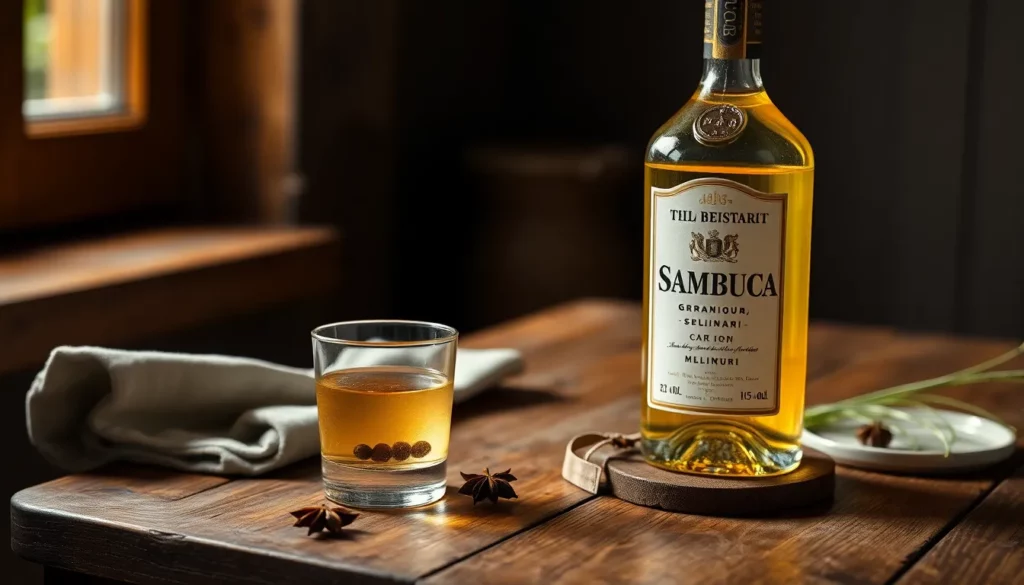
Sambuca is a sweet, anise‑flavored Italian liqueur traditionally produced by distilling a base of alcohol with essential oils from star anise (Illicium verum) and green anise (Pimpinella anisum), often complemented by elderflower, licorice, and other botanicals. The resulting spirit is clear, viscous, and intensely aromatic, with a characteristic sweetness that distinguishes it from other anise liqueurs.
The origins of Sambuca are debated, but most historians trace its modern form to the port town of Civitavecchia in Lazio, where it was first commercialized in the mid‑19th century by Luigi Manzi. However, Sicily also claims a long tradition of anise distillation, and today the island boasts the only DOP (Denominazione di Origine Protetta) designation for Sambuca: Sambuca di Sicilia DOP. This certification, granted by the Italian Ministry of Agricultural Policies, guarantees that the liqueur is produced in Sicily using local anise and traditional methods, with a minimum alcohol content of 38% ABV and a sugar content between 350 and 400 grams per liter.
Production involves macerating the botanicals in neutral grain alcohol, then redistilling the mixture to capture the volatile oils. The distillate is sweetened with sugar syrup and aged briefly to allow the flavors to meld. The result is a liqueur that is both a digestif and a versatile culinary ingredient.
Types & Grades
Sambuca is classified primarily by color and aging, though the DOP regulations define specific categories. The table below outlines the main types and grades available on the market.
| Type / Grade | Description | Typical ABV | Common Uses |
|---|---|---|---|
| White Sambuca | Clear, unaged, the most common variety. Intense anise aroma, high sweetness. | 38–42% | Neat, with coffee beans, in cocktails |
| Black Sambuca | Colored with elderberry or other natural extracts; slightly less sweet, with a more complex herbal profile. | 38–40% | Digestif, in layered cocktails |
| Red Sambuca | Infused with red fruits or spices; rare, often artisanal. Sweet and fruity. | 35–38% | Dessert cocktails, baking |
| Sambuca Superiore | Aged for at least 12 months in oak or stainless steel; smoother, with vanilla and wood notes. | 40–45% | Sipped neat, premium cocktails |
| Sambuca di Sicilia DOP | Protected designation; must be produced in Sicily with local anise. Typically white, but can be aged. | 38% min | Authentic traditional use, connoisseurs |
Within the DOP category, producers may also offer a Riserva grade aged for two years or more. Non‑DOP sambucas from other regions (e.g., Lazio, Lombardy) are still common and often excellent, but they lack the geographic certification.
How It’s Used in Cooking
Sambuca’s high sugar content and potent anise flavor make it a distinctive ingredient in both sweet and savory Italian dishes. Its culinary applications extend far beyond the classic Sambuca con la mosca (with coffee beans).
Traditional Digestif & Cocktails
The most iconic serving is Sambuca con la mosca (“with the fly”): three coffee beans are floated in a glass of Sambuca, representing health, wealth, and happiness. The beans are chewed after sipping the liqueur. Sambuca also stars in cocktails like the Italian Mojito (with lime, mint, and soda) and the Sambuca Sour.
Desserts & Baking
Sambuca is frequently used to flambé fruits (e.g., bananas, pineapple) for a dramatic tableside presentation. It adds depth to tiramisù when substituted for Marsala or coffee liqueur, and it can be brushed onto sponge cake layers for an aromatic kick. In gelato, a splash of Sambuca enhances vanilla or chocolate bases, and it is a key component in zabaglione al Sambuca.
Savory Dishes
In Italian coastal cuisine, Sambuca is used to deglaze pans after searing seafood—especially shrimp, scallops, or mussels—creating a quick, aromatic sauce with butter and lemon. It also appears in marinades for pork or chicken, and in reductions for glazes over roasted vegetables. The anise notes pair well with fennel, orange, and thyme.
“Il Sambuca è il sole liquido della Sicilia.” — Traditional Sicilian saying (“Sambuca is the liquid sun of Sicily.”)
How to Choose/Identify Authentic SAMBUCA
For chefs, bartenders, and home cooks seeking quality, authenticity is paramount. Follow these guidelines when purchasing Sambuca:
- Look for the DOP label – If you want guaranteed Sicilian origin, choose bottles marked Sambuca di Sicilia DOP. The DOP seal ensures the product meets strict production standards.
- Check the ingredient list – Authentic Sambuca should list only natural flavors (star anise, green anise, elderflower) and no artificial colorings or sweeteners. Avoid products with “natural flavors” that are vague.
- Examine the clarity – White Sambuca should be crystal clear. Cloudiness may indicate poor filtration or adulteration.
- Consider the producer – Reputable brands include Molinari (the most famous, founded in 1945), Ramazzotti (since 1815), Luxardo, and Pallini. These houses have long histories and consistent quality.
- Alcohol content – Authentic Sambuca typically ranges from 38% to 42% ABV. Lower ABV may indicate a diluted or inferior product.
- Price point – While not exorbitant, very cheap Sambuca often uses artificial anise flavor and excessive sugar. A mid‑range bottle (€15–€25) is a safe bet for quality.
Substitutes
When Sambuca is unavailable or a different flavor profile is desired, several Italian and international substitutes can be used. Each has distinct characteristics that affect the final dish or drink.
- Pastis – A French anise‑flavored spirit (e.g., Ricard, Pernod). It is less sweet and lower in alcohol (40–45% ABV) but has a similar anise base. Best for savory cooking and cocktails where sweetness is not needed.
- Ouzo – A Greek anise liqueur. It is also unsweetened and turns milky when diluted. Use in seafood dishes or as a digestif, but add sugar if the recipe requires sweetness.
- Absinthe – A high‑proof (45–75% ABV) anise‑flavored spirit with additional botanicals like wormwood. It is very potent and should be diluted. Suitable for flambéing or in cocktails, but use sparingly.
- Anisette – A sweet, low‑alcohol (25–30% ABV) anise liqueur. It is the closest substitute in sweetness and flavor, though less intense. Works well in desserts and baking.
- Herbsaint – An American anise liqueur from New Orleans, similar to pastis but with a slightly different botanical blend. Good for cooking and cocktails.
When substituting, consider the sugar content: Sambuca is very sweet, so adjust the recipe’s sugar accordingly. For savory dishes, a dry anise spirit (pastis or ouzo) may be preferable.
Conclusion
Sambuca is far more than a simple after‑dinner drink; it is a cornerstone of Italian culinary tradition, with a protected heritage, diverse grades, and a wide range of applications from flambéed desserts to seafood sauces. By understanding its production, recognizing authentic DOP products, and knowing how to substitute when needed, cooks and bartenders can fully harness the aromatic power of this iconic liqueur. Whether enjoyed neat with coffee beans or used to elevate a dish, Sambuca remains a testament to Italy’s mastery of flavored spirits.
FAQ
What is the difference between Sambuca and Ouzo?
Sambuca is an Italian liqueur that is sweetened and typically clear, while Ouzo is a Greek unsweetened anise spirit that turns milky when diluted with water or ice. Sambuca has a higher sugar content and is often served as a digestif, whereas Ouzo is usually drunk as an aperitif.
Can Sambuca be used in cooking?
Yes, Sambuca is excellent in both sweet and savory dishes. It is used to flambé fruits, flavor tiramisù, deglaze seafood pans, and add anise notes to marinades and sauces. Its sweetness must be accounted for in recipes.
How should I store an opened bottle of Sambuca?
Store Sambuca in a cool, dark place away from direct sunlight. The high alcohol and sugar content act as preservatives, so it does not require refrigeration. Keep the bottle tightly sealed to prevent evaporation and flavor loss.
Leave a Reply