
Short Answer
What Is Speck? Italian Cured Meat Explained
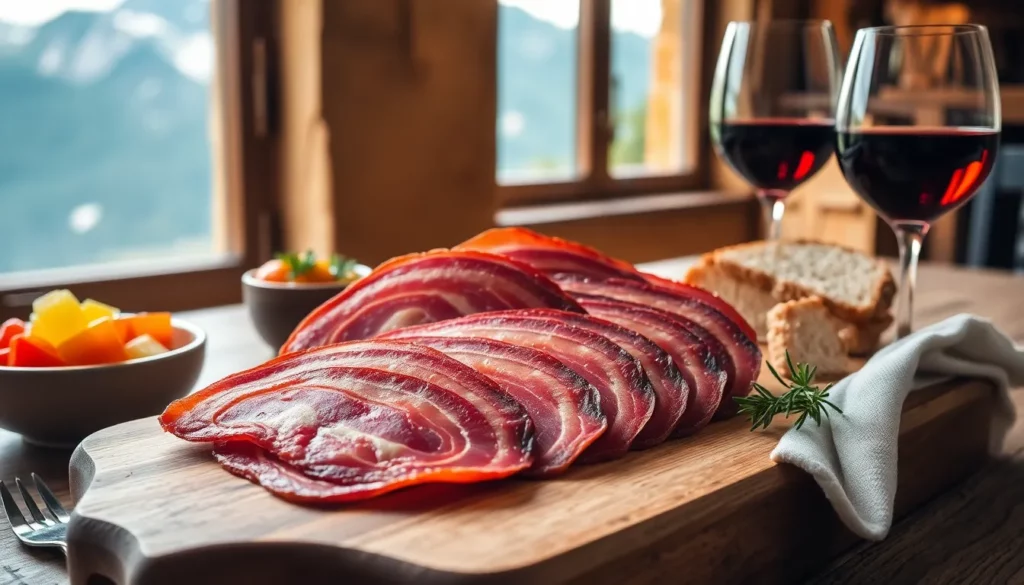
Speck is a boneless, lightly smoked, dry-cured ham that originates from the Alto Adige / Südtirol region in northern Italy. It is made from the hind leg of the pig, seasoned with a blend of salt, pepper, juniper, bay leaves, and other spices, then cold-smoked over beechwood and aged for at least five months. The result is a deep mahogany color, a delicate smoky aroma, and a firm yet tender texture. Speck is often confused with prosciutto crudo, but the key difference lies in the smoking process: prosciutto is air-dried and unsmoked, while speck is deliberately smoked, giving it a more robust flavor profile. It is protected by the European Union’s PGI (Protected Geographical Indication) status as Speck dell’Alto Adige IGP, ensuring that only products made in the designated area according to strict specifications can bear the name.
Origin & History
Speck has been produced in the South Tyrol region for centuries, with roots in the need to preserve meat in the Alpine climate. The word “speck” itself comes from the Middle High German term for “fat” or “bacon,” reflecting the Germanic influence on the region’s culinary traditions. Historical records from the 13th century mention the smoking and curing of pork in the valleys of the Dolomites. The technique was refined over generations, combining the Italian tradition of prosciutto-making with the Central European practice of cold-smoking. By the 20th century, speck had become a staple of the South Tyrolean diet, and in 1996 it received PGI recognition, which codified the production methods and protected the name. Today, speck is celebrated as a symbol of the region’s unique cultural blend of Italian and Austrian heritage.
What’s In It
The core ingredients of speck are simple: pork hind leg, salt, and a mixture of spices that typically includes black pepper, juniper berries, bay leaves, and sometimes garlic or nutmeg. The production process is meticulous. After trimming and deboning, the meat is dry-salted and left to rest for several weeks. It is then washed, dried, and cold-smoked at temperatures below 30°C (86°F) for several days using beechwood and juniper branches. Finally, the ham is aged for a minimum of five months, during which it loses about 30% of its weight. Unlike prosciutto crudo, which is unsmoked and often aged longer, speck’s smoking step is what sets it apart. It also differs from bacon, which is typically wet-cured and hot-smoked, resulting in a different texture and flavor. Speck is ready to eat without further cooking, making it a versatile ingredient for antipasti, sandwiches, and cooked dishes.

Regional Variations
While speck is most famously associated with South Tyrol, similar cured meats exist in neighboring regions, each with distinct characteristics:
- South Tyrol (Speck dell’Alto Adige IGP): The original and most regulated version. It is boneless, lightly smoked, and aged 5–6 months. The smoking is gentle, and the spice mix is balanced, with juniper and bay leaves prominent.
- Trentino (Speck del Trentino): Similar to South Tyrolean speck but often less smoky and with a slightly sweeter profile due to the addition of brown sugar or honey in the cure. It may also be aged longer, up to 8 months.
- Friuli-Venezia Giulia (Speck Friulano): This version is often made with a higher fat content and a more intense smoke flavor. It is sometimes rubbed with paprika or chili flakes, giving it a spicier kick. The aging process can extend to 10 months.
- Valle d’Aosta (Jambon de Bosses): While not called speck, this cured ham from the Aosta Valley is also lightly smoked and shares similarities. It is made from the hind leg of the pig, seasoned with herbs, and cold-smoked over juniper and beechwood. The main difference is that it is bone-in and aged for at least 12 months.
These regional variations highlight how local traditions and available resources influence the final product, but only the South Tyrolean version can legally be labeled as “Speck dell’Alto Adige IGP.”
How It’s Traditionally Eaten
Speck is a versatile ingredient that appears in multiple courses. In South Tyrol, it is most commonly served as an antipasto, sliced paper-thin and accompanied by rye bread, pickles, and a glass of local Lagrein or Schiava wine. It is also a key component of the traditional Speckplatte (speck platter), which includes other cured meats, cheeses, and horseradish. Speck can be used in primi piatti such as Spätzle con speck (egg noodles with speck) or Canederli allo speck (bread dumplings with speck). It is also added to salads, pizzas, and risottos for a smoky depth. On special occasions, such as the South Tyrolean harvest festivals, speck is often featured in hearty stews or wrapped around fruits like figs or melon. Everyday consumption is common: many locals enjoy speck on a sandwich for lunch or as a snack with a beer.
Common Mistakes / What It’s Not
One of the most frequent misconceptions is that speck is simply “smoked prosciutto.” While both are dry-cured hams, prosciutto crudo is never smoked, and its flavor is purely from the curing and aging process. Speck’s smoking is integral to its identity. Another mistake is confusing speck with bacon: bacon is usually cut from the belly, wet-cured, and hot-smoked, requiring cooking before eating. Speck is from the leg, dry-cured, cold-smoked, and ready to eat. Some American recipes treat speck as a substitute for pancetta or guanciale, but those are made from different cuts (pork belly and pork jowl, respectively) and have distinct fat-to-meat ratios and curing methods. Finally, not all speck is created equal: only products labeled “Speck dell’Alto Adige IGP” guarantee the traditional method and origin. Cheaper imitations may use artificial smoke flavoring or shorter aging, resulting in a less complex taste.
Where to Try It / What to Order
For the authentic experience, visit South Tyrol itself. The town of Bolzano (Bozen) hosts an annual Speckfest in September, where producers showcase their best speck. Many farms and Höfe (farmsteads) offer tastings and tours. In restaurants, look for Speckplatte on the menu, or order Canederli allo speck (speck dumplings) in a broth. If you cannot travel, seek out Italian delis that import genuine Speck dell’Alto Adige IGP. When ordering online, check for the PGI logo. For a simple yet perfect pairing, buy a piece of speck, slice it thinly (or ask the deli to do so), and serve it with crusty bread, a drizzle of olive oil, and a glass of Lagrein. Avoid pre-packaged, mass-produced speck that may lack the artisanal quality.
Related Dishes
FAQ
What is the difference between speck and prosciutto?
Speck is cold-smoked after dry-curing, while prosciutto crudo is only air-dried and never smoked. Speck also comes from the South Tyrol region and has a distinct smoky, juniper flavor, whereas prosciutto is milder and more delicate.
How is speck made?
Speck is made from the hind leg of a pig. The meat is deboned, dry-salted with spices (salt, pepper, juniper, bay leaves), rested, then cold-smoked over beechwood and juniper branches for several days. Finally, it is aged for at least five months.
What are the best ways to eat speck?
Speck is excellent as an antipasto, sliced thin and served with rye bread, pickles, and wine. It can also be used in cooked dishes like speck dumplings (Canederli allo speck), pasta, risotto, salads, or wrapped around fruit.
Is speck raw?
Yes, speck is a raw cured meat. It is safe to eat without cooking because the curing and smoking process preserves it. However, it can also be cooked in recipes.
Can I substitute speck for bacon or pancetta?
Not directly. Speck is leaner and has a different smoke profile. Bacon is fattier and requires cooking; pancetta is unsmoked. For the best results, use speck in recipes that call for a smoky, cured ham flavor, but adjust cooking times and fat content.
Leave a Reply