
Short Answer
What It Is
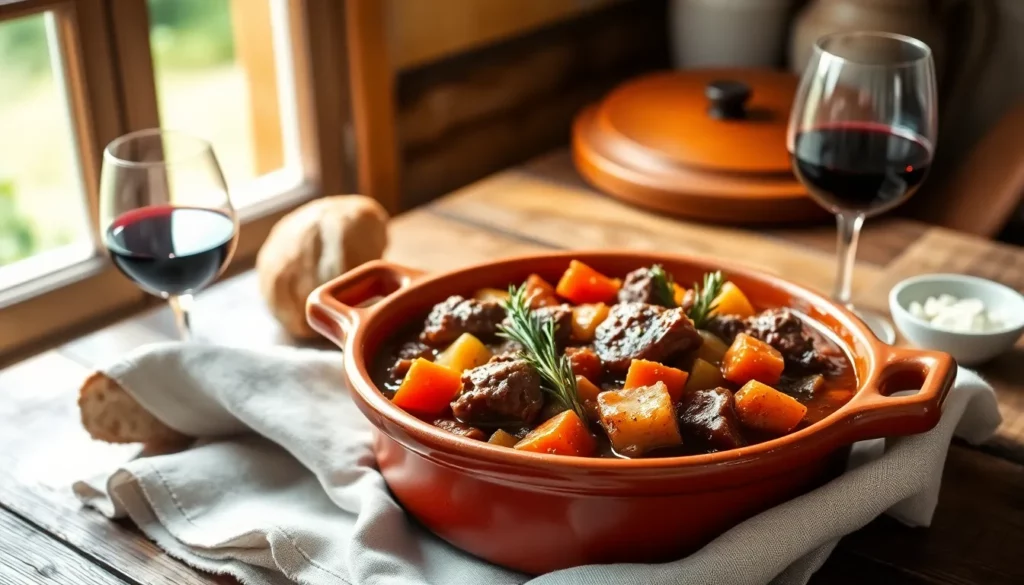
Spezzatino (pronounced spet-tsa-TEE-no) is a traditional Italian stew made by slowly braising small, uniform pieces of meat—typically beef, veal, or pork—in a flavorful liquid of wine, broth, and aromatic vegetables. The term derives from the Italian verb spezzare, meaning “to break” or “to cut into pieces,” reflecting the essential technique of cutting the meat into bite-sized chunks before cooking. Unlike a ragù, which is simmered for hours to create a thick sauce, spezzatino retains a distinct broth and the meat remains tender but intact.
Spezzatino has deep roots in Italian cucina povera (peasant cooking), where tougher cuts of meat were transformed into a nourishing meal through long, gentle cooking. Every region of Italy boasts its own variation, often named after the local wine or vegetables used. For example, Spezzatino alla Fiorentina features Chianti wine and tomatoes, while Spezzatino alla Romana includes celery, carrots, and white wine. Despite its widespread popularity, spezzatino does not hold a DOP (Denominazione di Origine Protetta) or PGI (Indicazione Geografica Protetta) status, as it is a generic dish rather than a specific product. However, the quality of its ingredients—such as DOP-certified wines or PGI meats like Vitellone Bianco dell’Appennino Centrale—can elevate the dish.
Types & Grades
Spezzatino is not a single recipe but a family of stews that vary by meat, liquid, and regional tradition. The following table outlines the most common types and their defining characteristics:
| Type | Meat | Liquid Base | Key Aromatics | Region |
|---|---|---|---|---|
| Spezzatino di Manzo | Beef (chuck, brisket) | Red wine (Chianti, Barbera) | Tomato, rosemary, garlic | Tuscany, Piedmont |
| Spezzatino di Vitello | Veal (shoulder, shank) | White wine (Soave, Verdicchio) | Lemon zest, sage, peas | Lombardy, Veneto |
| Spezzatino di Maiale | Pork (shoulder, loin) | White wine or milk | Fennel seeds, bay leaf | Umbria, Marche |
| Spezzatino di Agnello | Lamb (neck, shoulder) | Red wine or tomato passata | Mint, oregano, olives | Abruzzo, Sardinia |
| Spezzatino Misto | Mixed meats (beef, pork, sausage) | Red wine and broth | Mixed herbs, mushrooms | Northern Italy |
While there are no official “grades” of spezzatino, the quality is determined by the meat cut, the wine, and the cooking technique. Professional chefs often classify spezzatino by the meat’s marbling and collagen content, which affect tenderness and flavor depth.
How It’s Used in Cooking
Spezzatino is a versatile dish that can be served as a main course, often accompanied by polenta, mashed potatoes, or crusty bread to soak up the broth. In traditional Italian homes, it is a Sunday or holiday meal, prepared in large batches and reheated the next day for even deeper flavor. The cooking process typically involves three stages:
- Browning: Meat pieces are seared in olive oil until deeply caramelized, creating a fond that enriches the sauce.
- Soffritto: A base of finely chopped onion, carrot, and celery is sautéed until soft, then deglazed with wine.
- Braising: Liquid (broth, wine, or tomato) is added, and the stew simmers covered for 1.5–3 hours until the meat is fork-tender.
Signature dishes that rely on spezzatino include Spezzatino con Piselli (with peas, common in spring), Spezzatino alla Birra (using beer instead of wine, a modern twist), and Spezzatino di Cinghiale (wild boar stew, typical of Tuscany). In professional kitchens, spezzatino is also used as a filling for ravioli or as a topping for polenta.
“Il vero spezzatino non ha fretta: il tempo è il suo segreto.”
— Traditional Italian saying
How to Choose/Identify Authentic SPEZZATINO
When preparing or ordering spezzatino, authenticity lies in the ingredients and technique. Here is a practical buying guide for those seeking the genuine experience:
- Meat cut: Look for tough, collagen-rich cuts like chuck, brisket, or shank. Avoid pre-cut “stew meat” that may be lean and dry. The pieces should be roughly 2–3 cm (1 inch) for even cooking.
- Wine: Use a dry Italian wine that you would drink—Chianti for red, Verdicchio for white. Avoid cooking wines with added salt.
- Vegetables: Fresh carrots, celery, and onions are non-negotiable. Some recipes add garlic, rosemary, or bay leaf.
- Broth: Homemade beef or vegetable broth is preferred; store-bought should be low-sodium.
- Tomato: If used, opt for San Marzano DOP tomatoes or passata without additives.
- Olive oil: Extra virgin olive oil from a PGI region (e.g., Toscano IGP) adds authenticity.
For restaurant diners, an authentic spezzatino will have a rich, deep color, tender meat that yields easily to a fork, and a broth that is not overly thickened with flour. The dish should taste of the wine and vegetables, not of heavy spices.
Substitutes
While spezzatino is unique, several Italian stews can serve as substitutes depending on the context:
- Ragù alla Bolognese: A meat-based sauce, not a stew, but can replace spezzatino as a pasta topping. It uses ground meat and a longer cooking time.
- Stracotto: A pot roast cooked whole (not cut into pieces) in wine and tomatoes. It offers a similar flavor profile but a different texture.
- Brasato al Barolo: A Piedmontese braised beef dish using Barolo wine. It is more refined and often served sliced, not in chunks.
- Goulash (Italian version): Influenced by Hungarian cuisine, Italian goulash uses paprika and is less wine-forward. It is a valid alternative when a spicier stew is desired.
These substitutes are genuine Italian preparations that share the braising technique and comfort-food appeal of spezzatino.
In summary, spezzatino is a cornerstone of Italian home cooking, embodying the principles of simplicity, patience, and respect for quality ingredients. Whether enjoyed in a rustic trattoria or prepared in a modern kitchen, it remains a testament to the enduring appeal of slow-cooked comfort food.
FAQ
What is the best cut of meat for spezzatino?
Tough, collagen-rich cuts like beef chuck, brisket, or veal shoulder are ideal. They become tender and flavorful after long, slow braising.
Can spezzatino be made in advance?
Yes, spezzatino often tastes better the next day as the flavors meld. Reheat gently on the stovetop or in a low oven.
Is spezzatino the same as ragù?
No. Spezzatino is a stew with chunky meat and a brothy sauce, while ragù is a thick meat sauce typically served with pasta. They use different cuts and cooking times.

Leave a Reply