
Short Answer
What Is Cavoli, cavolini, cavoletti di Bruxelles or Brusselle? Italian Vegetable Explained
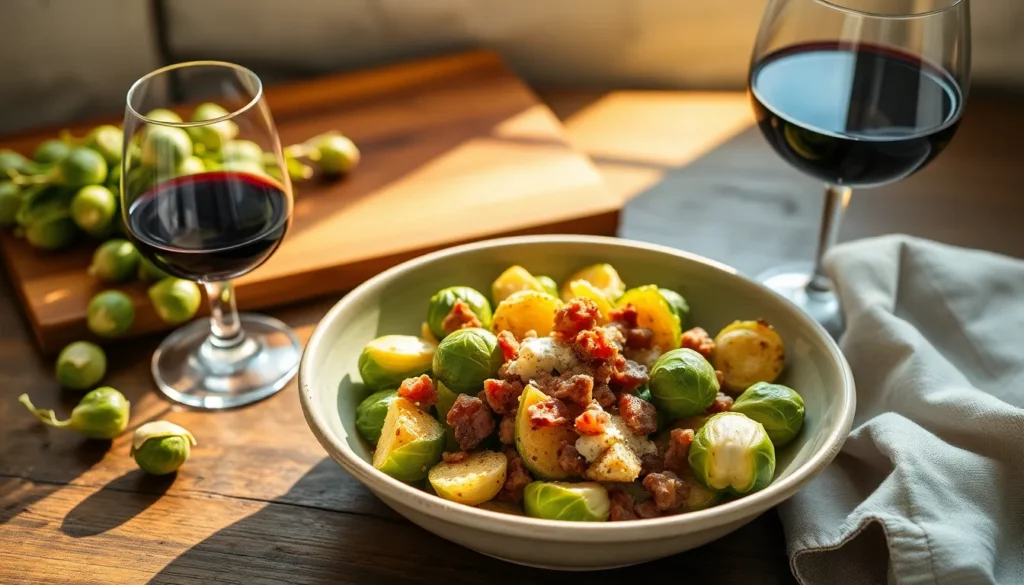
Cavoli, cavolini, cavoletti di Bruxelles, or simply Brusselle are the Italian terms for Brussels sprouts, a member of the Brassicaceae family (genus Brassica oleracea, Gemmifera group). Despite the name, these miniature cabbage-like buds are not native to Italy but were introduced from Belgium in the 19th century. In Italian cuisine, they are most commonly used as a contorno (side dish), often sautéed with olive oil, garlic, and pancetta, or roasted until caramelized. Their slightly bitter, nutty flavor pairs well with rich meats and aged cheeses, making them a winter favorite in northern regions.
Origin & History
The Brussels sprout as we know it was first cultivated in large quantities near Brussels, Belgium, in the 16th century, though references to similar plants date back to ancient Rome. The name cavoletti di Bruxelles literally means “little cabbages of Brussels.” They arrived in Italy during the 19th century, likely through trade routes from northern Europe. Initially met with skepticism in the warmer south, they found a natural home in the cooler climates of Lombardy, Piedmont, and Veneto. By the early 20th century, Italian cookbooks like La Cucina Italiana began featuring recipes for cavolini di Bruxelles, often prepared with butter, sage, and Parmesan. A popular anecdote credits the Milanese chef Felice Luraschi with popularizing them in the 1850s by serving them alongside ossobuco.
What’s In It
At its core, the Italian preparation of Brussels sprouts is minimalist, highlighting the vegetable’s natural character. Key ingredients include:
- Fresh Brussels sprouts – small, firm, bright green heads, preferably harvested after a frost for sweetness.
- Extra-virgin olive oil – the foundation of Italian cooking.
- Garlic – thinly sliced or whole cloves, gently sautéed.
- Salt and black pepper – to taste.
- Optional additions: pancetta or guanciale (for richness), balsamic vinegar (for acidity), pine nuts or walnuts (for crunch), and Parmigiano-Reggiano (for umami).
Preparation nuances: Italians typically trim the base, remove any yellow outer leaves, and cut a small cross in the stem to ensure even cooking. They are then blanched briefly in salted water before being sautéed or roasted. This differs from the American tendency to roast them whole at high heat. The Italian approach emphasizes a tender interior with a lightly browned exterior, never mushy.
Differentiation from similar dishes: Cavoli (cabbage) and cavolfiore (cauliflower) are often confused with Brussels sprouts. While all are brassicas, Brussels sprouts are the only ones that grow as axillary buds along a tall stalk. In Italian markets, you may see cavolini di Bruxelles sold still attached to the stalk, a sign of freshness.
Regional Variations
Though not as regionally diverse as pasta or risotto, Brussels sprouts appear in distinct ways across Italy:
| Region | Typical Preparation | Key Ingredients |
|---|---|---|
| Lombardy | Sautéed with butter, sage, and pancetta; often served with polenta. | Butter, fresh sage, pancetta, Parmigiano-Reggiano |
| Piedmont | Roasted with hazelnuts and a drizzle of balsamic vinegar. | Hazelnuts, balsamic vinegar, thyme |
| Lazio | Blanched then sautéed with garlic, anchovies, and peperoncino. | Anchovy fillets, garlic, chili flakes, olive oil |
| Veneto | Steamed and dressed with a vinaigrette of red wine vinegar and mustard. | Red wine vinegar, mustard, olive oil |
| Sicily | Rarely used traditionally; modern versions include them in pasta con le sarde as a substitute for wild greens. | Saffron, pine nuts, raisins, sardines |
These variations reflect local produce and culinary traditions: northern regions favor butter and cheese, central regions use bold flavors like anchovy, and southern adaptations are more experimental.
How It’s Traditionally Eaten
In Italian dining, Brussels sprouts are almost exclusively a contorno (side dish), served alongside a secondo (main course). They are rarely eaten as a primo (first course) or antipasto (appetizer), though modern restaurants may offer them as a starter. Typical pairings include:
- Roasted meats: pork loin, roast chicken, or beef brasato.
- Game: venison or wild boar, where the bitterness cuts through richness.
- Cheese: aged pecorino or grana padano grated on top.
Occasions: Brussels sprouts are most common in autumn and winter, especially during the Christmas season. In northern Italy, they appear alongside cotechino and lentils on New Year’s Eve. They are considered a piatto povero (humble dish) but have been elevated in recent years by chefs seeking to revive forgotten vegetables.
Common Mistakes / What It’s Not
Several misconceptions surround Italian Brussels sprouts:
- Mistake: Overcooking until mushy. Italians prefer a tender but firm texture. Blanching for 3–4 minutes and then finishing in a pan is standard.
- Mistake: Using only American-style roasting at high heat. While roasting is used, the Italian method often includes a preliminary blanch and a gentler sauté.
- Mistake: Believing Brussels sprouts are a traditional Italian ingredient. They are a relatively recent addition, not part of the ancient Roman or medieval diet.
- What it’s not: It is not a primo like pasta or risotto; it is not a frittura (fried dish) though some modern versions are fried; it is not a pizza topping (though creative pizzerias may offer it).
Corrective guidance: To cook Italian-style, start with fresh sprouts, blanch them, then sauté in olive oil with garlic and a splash of white wine. Finish with a grating of Parmesan and a squeeze of lemon.
Where to Try It / What to Order
For an authentic experience, seek out these locations:
- Milan: Trattoria del Nuovo Macello serves cavolini di Bruxelles saltati con pancetta as a contorno.
- Turin: Osteria del Gatto e la Volpe offers roasted sprouts with hazelnuts and balsamic.
- Rome: Da Enzo al 29 occasionally features cavoletti di Bruxelles alla romana with anchovies.
- Venice: Osteria alle Testiere includes a seasonal contorno of steamed sprouts with mustard vinaigrette.
Ordering tips: Ask for cavolini di Bruxelles come contorno (as a side dish). If you see cavoletti di Bruxelles in padella, that means pan-sautéed. Avoid ordering them as a main dish unless specified.
Related Dishes
- Cavolo Nero (Tuscan Kale)
- Cavolfiore (Cauliflower)
- Broccoletti (Broccoli Rabe)
- Verze (Savoy Cabbage)
- Cavolo Cappuccio (White Cabbage)
FAQ
Are Brussels sprouts actually Italian?
No, Brussels sprouts are not native to Italy. They were developed in Belgium and introduced to Italy in the 19th century. However, they have been adopted into Italian cuisine, especially in northern regions, and are now considered a winter contorno.
What is the best way to cook Brussels sprouts Italian-style?
The classic Italian method is to blanch the sprouts in salted water for 3–4 minutes, then sauté them in extra-virgin olive oil with sliced garlic until lightly browned. Finish with salt, pepper, and a sprinkle of Parmigiano-Reggiano. Some variations add pancetta or balsamic vinegar.
What does 'cavolini di Bruxelles' mean?
It literally translates to 'little cabbages of Brussels,' referring to the city where they were first widely cultivated. The term is used interchangeably with 'cavoletti di Bruxelles' in Italian.
Can Brussels sprouts be used in pasta dishes?
While not traditional, modern Italian chefs sometimes incorporate Brussels sprouts into pasta, such as orecchiette with sprouts, pancetta, and pecorino. This is more common in contemporary cucina innovativa than in classic regional cooking.
Why are Brussels sprouts bitter and how do Italians reduce bitterness?
Bitterness comes from glucosinolates. Italians reduce it by blanching the sprouts first, which leaches some compounds, and by pairing them with sweet or fatty ingredients like pancetta, balsamic vinegar, or butter.
Leave a Reply