
Short Answer
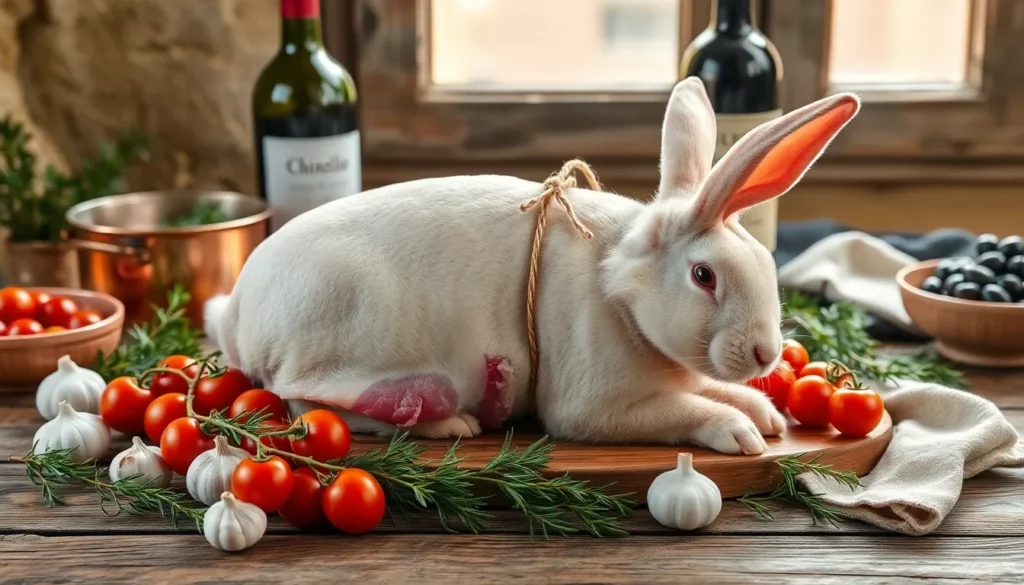
Coniglio, the Italian word for rabbit, represents a cornerstone of rustic Italian gastronomy, particularly in central and northern regions. Unlike the industrial rabbit production common elsewhere, Italy’s coniglio tradition emphasizes free-range farming, natural diets, and heritage breeds that yield tender, flavorful meat. This article delves into the historical and technical aspects of coniglio, its protected designations, culinary applications, and practical guidance for selecting and preparing this lean, versatile protein.
What It Is
Coniglio refers to the meat of domesticated rabbits (Oryctolagus cuniculus) raised for consumption, with a strong tradition in Italian agriculture. The production method varies by region, but the highest quality coniglio comes from small-scale farms where rabbits are raised in open-air enclosures, fed a diet of grains, hay, and fresh vegetables, and slaughtered at around 8–12 weeks of age. This yields a delicate, slightly gamey flavor and a firm yet tender texture.
Italy boasts two Protected Geographical Indication (PGI) rabbit breeds: Coniglio Grigio di Carmagnola (Grey Rabbit of Carmagnola) and Coniglio Bianco di Carmagnola (White Rabbit of Carmagnola), both from the Piedmont region. These are recognized by the European Union for their traditional rearing methods and distinct organoleptic qualities. Additionally, Coniglio di San Giovanni is a Traditional Specialty Guaranteed (TSG) product from the Marche region, known for its unique farming system that includes grazing on aromatic herbs. The Italian Ministry of Agricultural Policies oversees these designations, ensuring traceability and adherence to strict production protocols.
Historically, rabbit was a staple of peasant cuisine, valued for its ability to thrive on marginal land and its efficient feed-to-meat conversion. Today, it remains a symbol of cucina povera (poor kitchen) elevated to gourmet status, celebrated in dishes that highlight the meat’s natural flavor.
Types & Grades
Coniglio is categorized by breed, age, and rearing method. The table below summarizes the primary types recognized in Italian gastronomy.
| Type | Region | Characteristics | Typical Use |
|---|---|---|---|
| Coniglio Grigio di Carmagnola (PGI) | Piedmont | Grey fur, medium size (2.5–3.5 kg live weight), firm flesh with a fine grain, mild gamey flavor | Roasting, braising (e.g., coniglio alla cacciatora) |
| Coniglio Bianco di Carmagnola (PGI) | Piedmont | White fur, slightly larger (3–4 kg), tender meat with a delicate taste | Stews, ragù, and slow-cooked dishes |
| Coniglio di San Giovanni (TSG) | Marche | Mixed breeds, raised on pasture with aromatic herbs, meat has herbal notes | Grilled, roasted with herbs |
| Generic Farmed Rabbit | Various | Standard commercial breeds (e.g., New Zealand White), often intensively raised, milder flavor | Frying, stewing, or as a substitute in traditional recipes |
Grades are also determined by age: lactating rabbits (under 6 weeks) are exceptionally tender and used for delicate preparations, while adult rabbits (over 12 weeks) have a stronger flavor and are better suited for long braising. The fat content is low, making coniglio a lean protein choice.
How It’s Used in Cooking
Coniglio’s versatility shines in traditional Italian cooking, where it is often paired with robust herbs, wine, and tomatoes. The meat benefits from slow, moist-heat methods that break down its minimal connective tissue and infuse flavor.
Signature Dishes
- Coniglio alla cacciatora (hunter-style rabbit): Braised with tomatoes, onions, white wine, rosemary, and sometimes olives or capers. A classic of Tuscan and Umbrian cuisine.
- Coniglio in porchetta: Rabbit deboned, stuffed with garlic, fennel, rosemary, and pancetta, then rolled and roasted. A specialty of central Italy.
- Coniglio all’ischitana: From the island of Ischia, rabbit stewed with tomatoes, garlic, white wine, and peperoncino, often served with potatoes.
- Coniglio alla ligure: Ligurian preparation with pine nuts, olives, and white wine, reflecting the region’s Mediterranean flavors.
“Il coniglio è una carne nobile, che richiede pazienza e rispetto. Non si può affrettare la cottura, ma il risultato è sempre una sorpresa.” – Traditional saying from Tuscany
Coniglio also appears in pasta sauces (e.g., ragù di coniglio), terrines, and even as a filling for ravioli. Its mild flavor absorbs marinades well, making it suitable for grilling after a soak in olive oil, lemon, and herbs.
How to Choose/Identify Authentic Coniglio
For commercial buyers and home cooks seeking genuine Italian coniglio, authenticity cues are critical. Follow these guidelines:
- Look for certification labels: PGI (e.g., Coniglio Grigio di Carmagnola) or TSG (Coniglio di San Giovanni) logos guarantee origin and traditional methods. The Italian Ministry of Agricultural Policies provides a searchable database of certified products.
- Check the color and texture: Fresh coniglio should have pale pink flesh with a fine, even grain. Avoid meat that is dark, slimy, or has an ammonia-like odor.
- Prefer whole rabbits or large cuts: Authentic producers often sell whole rabbits (with or without head) to demonstrate freshness. Vacuum-packed portions may be acceptable but check the source.
- Ask about the diet and rearing: Free-range rabbits fed on natural forage produce more flavorful meat. If buying from a specialty shop, inquire about the farm.
- Seasonality: While coniglio is available year-round, spring and early summer are traditional times for young rabbits.
Reputable online retailers (e.g., Eataly, Gustiamo) offer certified Italian coniglio with full traceability.
Substitutes
When authentic coniglio is unavailable, Italian cooks may substitute other meats that mimic its texture and flavor profile. The following are genuine alternatives used in traditional recipes:
- Chicken (pollo): Especially free-range or farm-raised chicken, which has a similar lean, mild taste. Use in stews like cacciatora or in porchetta-style rolls.
- Pork (maiale): For richer dishes, pork shoulder or loin can replace rabbit, though the flavor is less delicate. Works well in ragù or braised preparations.
- Lamb (agnello): In some southern Italian recipes, young lamb is used instead of rabbit, particularly in stews with tomatoes and herbs.
- Guinea fowl (faraona): A game bird with a slightly stronger flavor, often used in place of rabbit in traditional Tuscan recipes.
Each substitute alters the dish’s character, so adjustments in cooking time and seasoning may be necessary. For the closest match, choose young, free-range chicken.
In conclusion, coniglio is a testament to Italy’s commitment to quality and tradition in meat production. From the protected breeds of Piedmont to the aromatic pastures of Marche, this lean, flavorful meat offers endless culinary possibilities. Whether you are a professional chef or an adventurous home cook, understanding the nuances of coniglio will elevate your Italian cooking to new heights.
FAQ
What does coniglio taste like?
Coniglio has a mild, slightly gamey flavor similar to chicken but with a firmer, leaner texture. The taste varies by breed and diet; PGI rabbits from Piedmont are known for their delicate, fine-grained meat.
Is coniglio healthy?
Yes, coniglio is a lean, high-protein meat low in fat and cholesterol. It is rich in B vitamins, iron, and phosphorus, making it a nutritious choice for balanced diets.
How do you cook coniglio so it doesn't dry out?
Because coniglio is very lean, it benefits from moist-heat cooking methods such as braising, stewing, or slow-roasting with liquid (wine, broth, tomatoes). Marinating before cooking also helps retain moisture. Avoid overcooking; the meat is done when it reaches an internal temperature of 70°C (160°F).

Leave a Reply