
Short Answer
What It Is
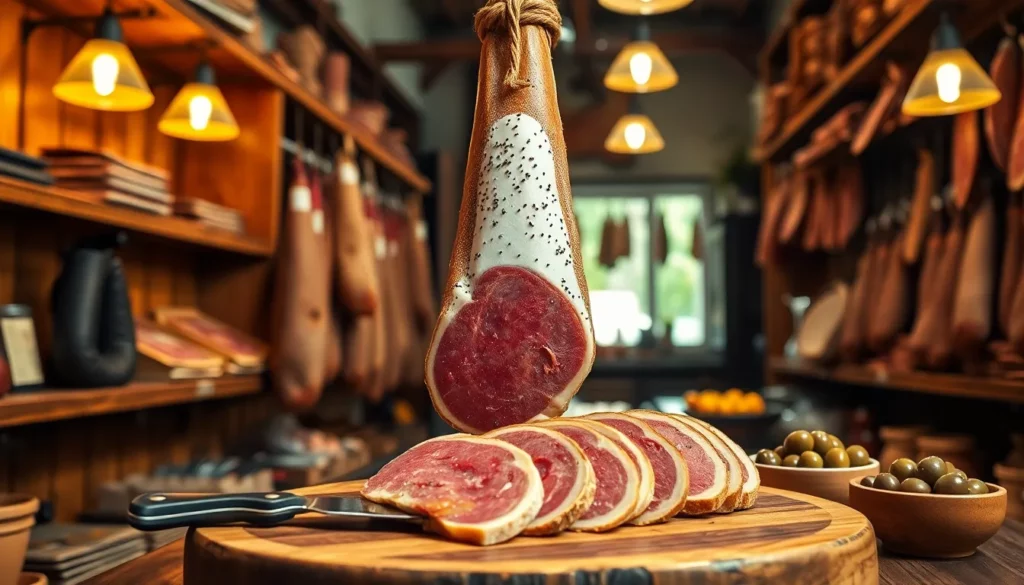
Lonza is a traditional Italian dry-cured pork product made from the whole pork loin (lombo di maiale). Unlike prosciutto, which comes from the hind leg, or capocollo, which is cut from the neck and shoulder, Lonza is derived from the lean, tender loin muscle that runs along the pig’s back. The production method involves trimming the loin, salting it with a mixture of sea salt, black pepper, and sometimes garlic, herbs, or chili flakes, then allowing it to cure for a period ranging from 30 to 90 days. The curing process is typically dry-air aging in controlled environments, which concentrates flavors and develops a firm yet tender texture.
Lonza has deep roots in central Italian culinary traditions, particularly in regions such as Umbria, Tuscany, Lazio, and Marche. While it does not hold a DOP (Denominazione di Origine Protetta) or PGI (Indicazione Geografica Protetta) status, it is recognized as a Prodotto Agroalimentare Tradizionale (PAT) in several Italian regions, ensuring that artisanal production methods are preserved. The lack of a DOP designation means that Lonza can be produced outside of Italy, but authentic Italian Lonza is highly prized for its quality and adherence to traditional techniques.
“Lonza is the quiet elegance of Italian salumi—lean, delicate, and deeply satisfying.” – Traditional Umbrian butcher
Types & Grades
Lonza is generally categorized by its seasoning and aging profile. The two primary types are Lonza Dolce (sweet) and Lonza Piccante (spicy). Aging grades are less formalized than in prosciutto, but longer aging yields a firmer, more intense product.
| Type | Seasoning | Aging | Flavor Profile |
|---|---|---|---|
| Lonza Dolce | Salt, black pepper, sometimes garlic or rosemary | 30–60 days | Mild, slightly sweet, delicate pork flavor |
| Lonza Piccante | Salt, black pepper, chili flakes, sometimes fennel | 45–90 days | Spicy, robust, with a lingering heat |
| Lonza Stagionata (aged) | Salt, pepper, optional herbs | 60–90+ days | Intense, concentrated, firmer texture |
Some producers also offer Lonza Affumicata (smoked), which is cold-smoked after curing, adding a subtle smoky note. However, this is less common and not considered traditional in all regions.
How It’s Used in Cooking
Lonza is most often enjoyed as part of an antipasto platter, sliced paper-thin and served with crusty bread, olive oil, and perhaps a drizzle of balsamic vinegar. Its lean, tender texture makes it an excellent companion to fresh cheeses like mozzarella or ricotta, and it pairs beautifully with fruits such as figs, melon, or pears.
In traditional Italian cooking, Lonza is also used in cooked dishes. It can be diced and added to pasta sauces, risottos, or frittatas for a savory boost. In Umbria, it is sometimes wrapped around vegetables like asparagus or zucchini and grilled. Another classic preparation is Lonza al Forno, where the whole cured loin is baked with potatoes and herbs, though this is more common with fresh pork loin than cured Lonza.
Because Lonza is already fully cured, it can be eaten as is, but it also lends itself to quick cooking methods. Thin slices can be sautéed briefly and served over arugula with shaved Parmesan and lemon juice for a simple salad.
How to Choose/Identify Authentic LONZA
When selecting authentic Italian Lonza, look for the following cues:
- Appearance: The lean meat should be deep red to mahogany, with a thin, even layer of white fat on one side. The surface should be dry and firm, not sticky or slimy.
- Aroma: A pleasant, savory scent with notes of pepper and pork. Avoid any ammonia or sour odors.
- Texture: When sliced, it should be firm but tender, with no hard or dry edges. The fat should be creamy, not oily or rancid.
- Labeling: Look for “Prodotto in Italia” (Made in Italy) and ideally a PAT (Traditional Agri-food Product) designation. Avoid products with added sugars, nitrates, or artificial flavors.
- Source: Purchase from reputable Italian salumerie or specialty importers. Ask about the producer and region—Umbrian and Tuscan Lonza are particularly esteemed.
Authentic Lonza is typically sold whole or in large pieces, sliced to order. Pre-packaged slices may be less fresh. Check the ingredient list: it should contain only pork, salt, pepper, and possibly natural spices.
Substitutes
If Lonza is unavailable, several Italian cured meats can serve as substitutes, each with its own character:
- Capocollo (Coppa): Made from the neck and shoulder, capocollo is fattier and more marbled, with a richer flavor. It can be used similarly in antipasti or cooked dishes, though it is less lean.
- Prosciutto Cotto (cooked ham): For a milder, cooked alternative, prosciutto cotto can replace Lonza in sandwiches or salads, but it lacks the dry-cured intensity.
- Bresaola: Made from beef, bresaola is lean and air-dried, with a similar texture to Lonza. It works well in antipasti, though the flavor is distinctly beefy.
- Lomo Embuchado: The Spanish equivalent of Lonza, made from pork loin and dry-cured with pimentón. It is an excellent substitute, especially for piccante versions.
When substituting, consider the fat content and seasoning. For recipes that rely on Lonza’s delicate pork flavor, capocollo or lomo are the closest matches.
In conclusion, Lonza is a testament to the Italian art of salumi—simple ingredients transformed by time and skill into a refined delicacy. Whether enjoyed on its own or incorporated into dishes, it offers a unique taste of central Italy’s culinary heritage.
FAQ
What is Lonza?
Lonza is a traditional Italian dry-cured pork loin, made from the whole loin muscle. It is seasoned with salt, pepper, and sometimes spices, then aged for 30 to 90 days. It is typically sliced thin and served as antipasto.
How is Lonza different from prosciutto?
Lonza comes from the pork loin, which is leaner and more tender, while prosciutto comes from the hind leg, which is larger and has more fat. Prosciutto is aged longer (12–24 months) and has a more intense, salty flavor. Lonza is milder and more delicate.
How should I store Lonza?
Whole Lonza should be wrapped in parchment paper or a clean cloth and stored in a cool, dry place (like a pantry) for up to a few weeks. Once sliced, it should be refrigerated and consumed within a few days. For longer storage, vacuum-seal and freeze, though texture may suffer.
What are the best pairings for Lonza?
Lonza pairs well with fresh cheeses (mozzarella, ricotta), fruits (figs, melon, pears), crusty bread, and a drizzle of extra-virgin olive oil. For wine, try a light red like Chianti or a crisp white like Verdicchio.
Can I substitute Lonza with another meat?
Yes, good substitutes include capocollo (coppa) for a fattier option, bresaola for a lean beef alternative, or Spanish lomo embuchado for a similar pork loin product. Adjust seasoning as needed.

Leave a Reply