
Short Answer
Getting There
Lucca is centrally located in the Tuscany region, making it accessible from several major transport hubs. The nearest practical airport is Pisa International Airport (PSA), located approximately 20 kilometers away. From Pisa, travelers can reach Lucca via regional train, which typically takes 30 to 40 minutes, or by bus and taxi services. Direct train connections are available from Pisa Centrale station, often requiring no transfers. For international travelers arriving via Florence Airport (FLR), the journey involves a transfer to Florence Santa Maria Novella train station followed by a direct regional train to Lucca, totaling roughly 1.5 to 2 hours. Milan and Rome are connected via high-speed rail to Florence or Pisa, where travelers transfer to regional lines. Always verify current schedules with official rail operators before booking, as frequencies may vary by season.
Getting Around
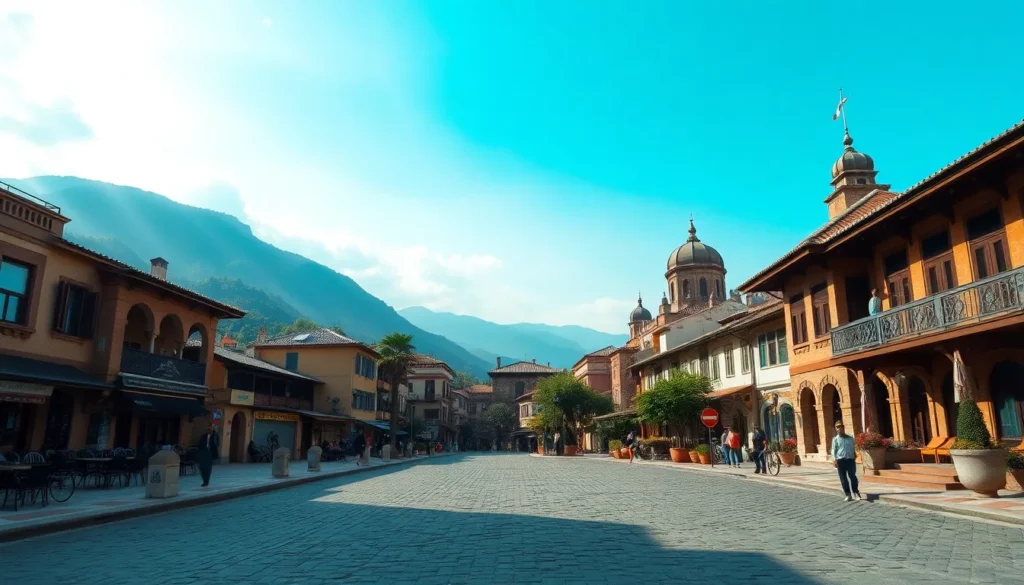
The historic center of Lucca is compact and predominantly pedestrianized, enclosed by intact Renaissance walls. Walking is the primary mode of transport for visitors within the walls, with most major attractions reachable within 15 to 20 minutes on foot. Cycling is highly popular, with bike rentals widely available for traversing the tree-lined top of the city walls. Public buses operate within the city and connect surrounding suburbs, useful for reaching accommodations outside the historic center. Visitors driving should be aware of strict Limited Traffic Zone (ZTL) restrictions within the walls; unauthorized vehicle entry results in significant fines. Parking is available in designated lots outside the walls, such as near the train station or Piazza Verdi, from which visitors can walk inward. Taxis and ride-hailing services are available but generally unnecessary for sightseeing within the center.
Best Time to Visit
The ideal time to visit Lucca is during the shoulder seasons of spring (April to June) and autumn (September to October). During these months, temperatures are mild, ranging from 15 to 25 degrees Celsius, and crowd levels are manageable compared to peak summer. Summer brings higher temperatures and increased tourist density, particularly in July and August, though the city hosts various music festivals during this period. Winter offers a quiet atmosphere with fewer visitors, but some attractions may operate on reduced hours. Travelers should note the dates of Lucca Comics & Games, typically held in late October or early November, which significantly increases accommodation demand and prices. Weather patterns can vary, so checking forecasts and verifying opening times with official tourism sources before travel is recommended.
Top Things to Do
Walk the City Walls
The intact Renaissance walls surrounding the historic center are Lucca’s defining feature. Elevated and tree-lined, the promenade offers a unique vantage point over the city and countryside. It is suitable for walking, jogging, and cycling, providing a leisurely way to orient yourself. Access is free and open throughout the day.
Piazza dell’Anfiteatro
This elliptical square follows the outline of an ancient Roman amphitheater. Now lined with cafes and shops, it serves as a central gathering spot. The architecture preserves the curved layout of the original structure, making it a key historical landmark.
San Michele in Foro
Located on the site of the ancient Roman forum, this church features an elaborate facade with multiple tiers of loggias and sculptures. It is a prime example of Pisan-Lucchese architecture. Visitors should check opening hours as it functions as an active place of worship.
Lucca Cathedral (Duomo di San Martino)
The cathedral houses significant art, including the Holy Face of Lucca, a wooden crucifix of medieval origin. The interior contains works by prominent artists such as Jacopo della Quercia. Dress codes requiring covered shoulders and knees are enforced.
Guinigi Tower
One of the few remaining medieval tower houses, this structure features holm oak trees growing at its summit. Climbing the tower provides panoramic views of the city and surrounding hills. Tickets are required, and capacity may be limited during peak times.
Villa Reale
Also known as Villa Ottoboni, this neoclassical estate includes extensive Italianate gardens. It offers a glimpse into aristocratic life and provides a quiet retreat from the busy city center. Guided tours are often available for the interior rooms.
Puccini Museum
Located in the birthplace of composer Giacomo Puccini, this museum displays personal artifacts, manuscripts, and pianos. It is essential for music enthusiasts. Advance booking is recommended during festival periods.
Basilica of San Frediano
Distinguished by its large golden mosaic on the facade, this basilica contains a massive baptismal font and historic organs. The interior is spacious and less crowded than the Cathedral, offering a peaceful atmosphere for reflection.
Orto Botanico Comunale
The botanical garden features a collection of local and exotic plants, including a historic pond and greenhouse. It is a quiet spot for nature lovers. Entry fees are nominal, and hours vary by season.
Cathedral Museum
Adjacent to the Duomo, this museum houses religious art, vestments, and artifacts removed from the cathedral for preservation. It provides context for the religious history of the city. Combined tickets with the Cathedral are often available.
Where to Eat
Lucca’s cuisine is rooted in Tuscan traditions, emphasizing simple ingredients and robust flavors. Local specialties include Tordelli Lucchesi, pasta parcels filled with meat and served with ragout, and Buccellato, a sweet bread flavored with anise and raisins. Olive oil from the Colline Lucchesi region is highly regarded. Visitors can find traditional meals in trattorias located in the side streets off the main thoroughfares. The Mercato del Carmine is a covered market offering fresh produce, meats, and local delicacies, suitable for casual lunches. Meal times typically follow Italian customs, with lunch served from 12:30 to 14:30 and dinner from 19:30 onwards. Reservations are advisable for evening dining, especially on weekends.
Where to Stay
Accommodation choices depend largely on whether visitors prioritize atmosphere or convenience for driving. Staying inside the city walls offers immediate access to historic sites and a immersive ambiance, ideal for first-time visitors and couples. However, parking is unavailable within the walls, requiring use of external lots. Areas outside the walls, such as near the train station or Porta San Pietro, provide easier vehicle access and often lower rates, suitable for families or those with cars. Budget travelers may find hostels or guesthouses in the outskirts, while luxury options are concentrated within the historic center. Noise levels are generally low, but streets near Piazza dell’Anfiteatro can be lively in the evenings.
Suggested Itinerary
2-Day Highlights
Day 1: Begin with a walk along the City Walls to orient yourself. Visit San Michele in Foro and the Cathedral in the morning. Lunch near Piazza dell’Anfiteatro. Spend the afternoon climbing Guinigi Tower and exploring the surrounding streets. Dinner in the historic center.
Day 2: Visit the Puccini Museum and Basilica of San Frediano. Explore the Botanical Garden in the afternoon. Enjoy a farewell dinner featuring local Tordelli.
4-Day Relaxed Stay
Day 1 & 2: Follow the 2-Day Highlights itinerary at a slower pace, allowing time for cafes and shopping.
Day 3: Dedicate this day to a day trip to Pisa or the Versilia Coast. Return to Lucca for dinner.
Day 4: Visit Villa Reale and the Cathedral Museum. Spend the final afternoon browsing local shops for olive oil and wine before departure.
Local Etiquette & Practical Tips
Visitors should dress modestly when entering churches, covering shoulders and knees. Greetings typically involve a polite “Buongiorno” (Good day) or “Buonasera” (Good evening). Tipping is not mandatory but leaving small change for good service is appreciated. Credit cards are widely accepted, but carrying some cash for small purchases is wise. Be vigilant regarding ZTL zones; do not drive into restricted areas without explicit permission from your accommodation. Personal security is generally high, but standard precautions against pickpocketing in crowded areas apply. Accessibility varies; while the walls have ramps, some historic sites have stairs. Verify specific access needs with venues in advance.
Day Trips from Lucca
Pisa
Located 30 minutes away by train, Pisa offers the famous Leaning Tower and Cathedral Square. It is suitable for a half-day or full-day trip. Frequent trains make logistics simple.
Florence
Approximately 1.5 hours by train, Florence provides world-class art and architecture. Best as a full-day trip due to travel time and the volume of sights.
Versilia Coast
Beach towns like Viareggio are reachable by train or bus in under 30 minutes. Ideal for summer half-day trips focused on relaxation and seaside dining.
Garfagnana
This mountainous region north of Lucca offers hiking and medieval villages. A car is recommended for exploration. Suitable for a full-day nature excursion.
Vinci
The birthplace of Leonardo da Vinci is about an hour away. Museums dedicated to his work make this a cultural half-day trip. Bus or car travel is required.
Montecarlo
A small hilltop town known for wine production, located a short drive from Lucca. Perfect for a half-day wine tasting and lunch experience.
FAQ
Is Lucca worth visiting?
Yes, Lucca is worth visiting for its intact city walls, well-preserved historic center, and relaxed atmosphere compared to larger Tuscan cities.
How many days do you need in Lucca?
Two days are sufficient for the main highlights, but three to four days allow for a relaxed pace and day trips to nearby towns.
Is Lucca safe and walkable?
Lucca is generally safe and highly walkable within the walls. Standard precautions against petty theft apply, and ZTL restrictions must be observed for vehicles.



Leave a Reply