
Short Answer
What It Is
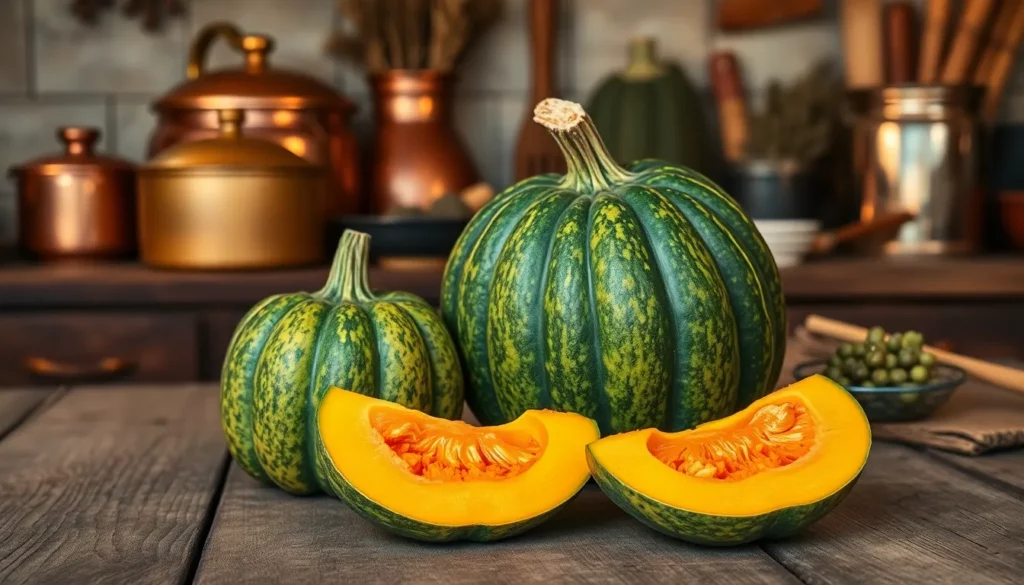
Zucca is the Italian term for pumpkin or winter squash, but in culinary contexts it refers specifically to the varieties traditionally cultivated in northern Italy, particularly in the regions of Veneto and Lombardy. The most renowned types belong to the species Cucurbita maxima and Cucurbita moschata, which have been grown in the Po Valley since the 16th century, following the introduction of squash from the Americas. Today, zucca is a cornerstone of Italian autumnal cooking, prized for its dense, sweet flesh and ability to absorb flavors.
The production of zucca follows time-honored agricultural practices. Seeds are sown in late spring, and the fruits are harvested in early autumn after the vines have died back. A critical step is curing: the harvested squashes are left in a warm, dry environment for 10–14 days to harden the skin and convert starches into sugars, enhancing sweetness and storage life. The most famous protected variety is Zucca di Chioggia, which holds PGI (Indicazione Geografica Protetta) status from the European Union. This certification guarantees that the squash is grown, harvested, and processed in the Chioggia area of the Veneto region, following strict production rules. Another traditional variety, Zucca Mantovana, is recognized as a Prodotto Agroalimentare Tradizionale (PAT) by the Italian Ministry of Agricultural Policies, though it does not have DOP or PGI status.
Types & Grades
Italian zucca encompasses several distinct varieties, each with unique characteristics suited to different culinary applications. The table below summarizes the most important types and their typical uses.
| Variety | Region | Skin & Shape | Flesh Characteristics | Common Uses |
|---|---|---|---|---|
| Zucca di Chioggia | Veneto (Chioggia) | Warty, dark green; round to slightly flattened | Bright orange, dense, very sweet, low moisture | Risotto, gnocchi, tortelli, soups |
| Zucca Mantovana | Lombardy (Mantua) | Elongated, ribbed; greenish-brown with orange patches | Deep orange, firm, dry, nutty flavor | Tortelli di zucca, baked dishes, purees |
| Zucca Marina di Chioggia | Veneto | Similar to Chioggia but larger, smoother skin | Sweet, fibrous when young; creamy when mature | Risotto, gnocchi, frittelle |
| Zucca Butternut (imported) | Widely grown | Bell-shaped, tan skin | Orange, smooth, moderately sweet | Substitute for Italian varieties; soups, purees |
In addition to fresh whole squashes, zucca is available in several processed grades:
- Fresh zucca – whole or cut pieces, sold in autumn and winter.
- Zucca puree – canned or jarred, often used for convenience in risotto or gnocchi.
- Zucca seeds – roasted and salted, a popular snack (known as semi di zucca).
- Zucca oil – cold-pressed from seeds, used as a finishing oil in northern Italian cuisine.
How It’s Used in Cooking
Zucca is a versatile ingredient that appears in both savory and sweet dishes across northern Italy. Its natural sweetness and creamy texture make it ideal for risotto, pasta fillings, and soups. Below are the most iconic traditional applications.
Risotto alla Zucca
This classic Venetian dish combines zucca with Carnaroli or Vialone Nano rice, cooked slowly with broth, butter, and Parmigiano-Reggiano. The squash is either diced and added raw to the risotto or pureed and stirred in at the end for a velvety consistency. A pinch of nutmeg and fresh sage are common aromatics.
Tortelli di Zucca
A specialty of Mantua and Cremona, these stuffed pasta parcels feature a filling of mashed zucca Mantovana, amaretti cookies, mostarda (candied fruit in mustard syrup), and Parmigiano. The sweet-savory filling is encased in egg pasta and served with melted butter and sage. The contrast of flavors is a hallmark of Lombard cuisine.
Gnocchi di Zucca
Light, pillowy gnocchi made from a mixture of zucca puree, flour, egg, and sometimes ricotta. They are typically served with a simple butter and sage sauce or a light tomato sauce. The squash adds natural color and sweetness.
Zuppa di Zucca
A comforting soup made by simmering zucca with onions, garlic, and broth, then pureeing until smooth. Variations include adding potatoes, carrots, or a swirl of cream. In Tuscany, it is often served with croutons and a drizzle of olive oil.
Frittelle di Zucca
Savory fritters made from grated zucca, flour, eggs, and herbs, deep-fried until golden. They are a popular street food during autumn festivals in Veneto and Emilia-Romagna.
“La zucca è l’oro dell’autunno in cucina.” – Traditional Italian saying
How to Choose/Identify Authentic ZUCCA
When purchasing zucca, especially if you seek authentic Italian varieties, follow these guidelines:
- Look for the PGI label – For Zucca di Chioggia, the official PGI logo and certification number on the packaging or tag guarantee origin and quality.
- Check the variety name – Authentic Italian zucca will be labeled as “Zucca di Chioggia” or “Zucca Mantovana” (the latter may carry the PAT mark). Avoid generic “pumpkin” if you want the specific Italian type.
- Examine the skin – Zucca di Chioggia has a distinctive warty, dark green skin. Zucca Mantovana is elongated with ribbed, greenish-brown skin. The skin should be hard and free of soft spots.
- Feel the weight – A good zucca feels heavy for its size, indicating dense, moist flesh. Lightness may mean it is dried out or hollow.
- Check the stem – A fresh zucca will have a dry, woody stem. A green or soft stem suggests it was harvested too early.
- For processed products – Read the ingredient list. Authentic zucca puree should contain only zucca and possibly citric acid as a preservative. Avoid products with added sugars, starches, or artificial colors.
Substitutes
If you cannot find authentic Italian zucca, the following substitutes can be used, though they will alter the flavor and texture slightly:
- Butternut squash – The closest substitute in terms of sweetness and texture. It works well in risotto, soups, and gnocchi. Choose a dense, heavy specimen.
- Kabocha squash – A Japanese variety with a similar dry, sweet flesh. It is excellent for purees and gnocchi.
- Red kuri squash – Also known as Hokkaido pumpkin, it has a rich, nutty flavor and creamy texture when cooked. Good for soups and risotto.
- Pumpkin (generic) – Standard carving pumpkins are watery and less sweet; they are not recommended for authentic Italian dishes. If using, drain the puree well and add a pinch of sugar.
For the most authentic results, seek out Italian specialty stores or online retailers that import Zucca di Chioggia or Zucca Mantovana, especially during the autumn season.
Conclusion
Zucca is far more than a simple pumpkin; it is a symbol of Italian autumn, deeply rooted in the culinary traditions of Veneto and Lombardy. From the protected Zucca di Chioggia to the cherished Zucca Mantovana, each variety brings unique qualities to the table. Whether you are making a silky risotto, delicate tortelli, or a comforting soup, choosing authentic zucca and understanding its characteristics will elevate your cooking. By following the buying guide and knowing the best substitutes, you can enjoy the true taste of Italian zucca no matter where you are.
FAQ
What is the difference between zucca and pumpkin?
In Italian, 'zucca' refers to all winter squashes and pumpkins, but in culinary contexts it specifically denotes the traditional varieties grown in northern Italy, such as Zucca di Chioggia and Zucca Mantovana. These have denser, sweeter flesh and lower moisture content compared to common carving pumpkins, making them ideal for risotto, pasta fillings, and gnocchi.
Is Zucca di Chioggia DOP or PGI?
Zucca di Chioggia holds PGI (Protected Geographical Indication) status, not DOP. The PGI certification ensures that at least one stage of production, processing, or preparation occurs in the Chioggia area of Veneto. It is often referred to as IGP (Indicazione Geografica Protetta) in Italian.
How should I store fresh zucca?
Store whole zucca in a cool, dry, well-ventilated place (ideally 10–15°C) away from direct sunlight. Do not refrigerate whole squashes, as cold can cause chilling injury. Once cut, wrap the piece tightly in plastic wrap and refrigerate for up to 5 days. For longer storage, you can freeze cooked zucca puree.




Leave a Reply