
Short Answer
What Is Lardo? Italian Cured Fatback Explained
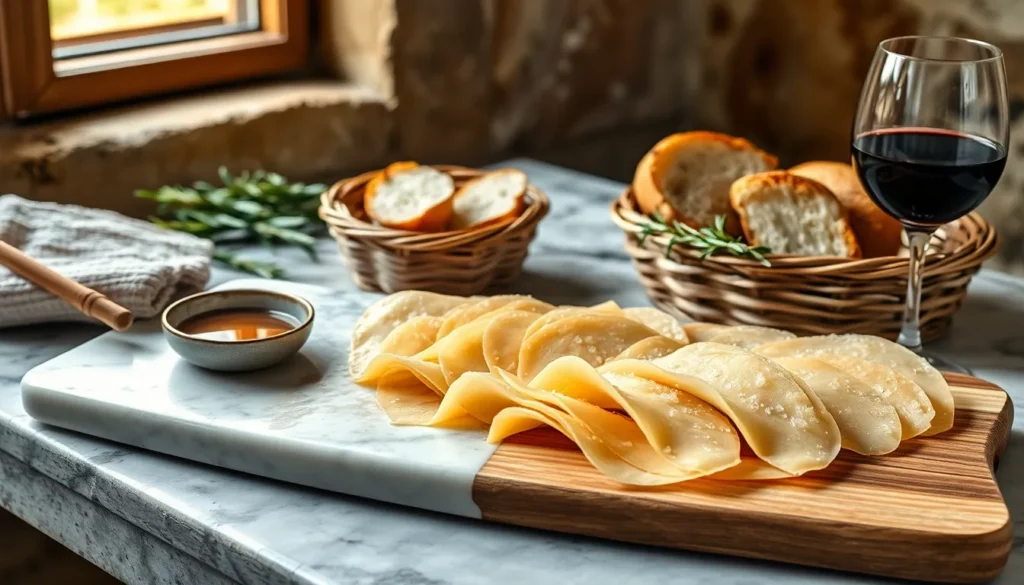
Lardo is a cured fatback made from the back of the pig, seasoned with salt, pepper, rosemary, garlic, and other herbs, then aged for at least six months in marble or stone basins. Originating from the small town of Colonnata in Tuscany, it is prized for its silky texture and delicate, herbaceous flavor. Unlike bacon or pancetta, lardo is not smoked and is typically eaten raw, sliced paper-thin. It is a classic antipasto ingredient and a testament to the Italian art of preserving pork.
Origin & History
The tradition of curing pork fat in marble basins dates back to Roman times in the Apuan Alps of Tuscany. Colonnata, a village nestled among marble quarries, provided the ideal environment: the cool, humid microclimate of the marble caves allowed the fat to cure slowly without spoiling. Historical records from the 15th century mention lardo di Colonnata as a staple for quarry workers, who needed calorie-dense, portable food. Over centuries, the recipe was refined, and what was once a poor man’s food became a gourmet delicacy. The use of local marble is not merely aesthetic; the porous stone absorbs excess moisture and imparts a subtle minerality. Today, lardo di Colonnata holds Protected Geographical Indication (IGP) status, ensuring its authenticity.
What’s In It
The core ingredients of lardo are simple: high-quality pork fatback (the thick layer of fat from the back of the pig, not the belly), coarse sea salt, black pepper, fresh garlic, and rosemary. Some variations include sage, juniper berries, or thyme. The fat is cut into large slabs, rubbed with a mixture of salt and aromatics, then layered in marble or stone basins (called conche). The basins are covered and left to age for a minimum of six months, often up to a year. During this time, the salt draws out moisture, the herbs infuse the fat, and the marble maintains a constant temperature. The result is a creamy, spreadable texture with a clean, savory flavor. Lardo is distinct from pancetta (cured belly, often rolled and smoked) and guanciale (cured cheek, more intensely flavored). It is also different from lardo di Arnad from Valle d’Aosta, which uses a different set of herbs and a shorter aging period.

Regional Variations
While lardo di Colonnata is the most famous, other Italian regions produce their own versions. The table below highlights key differences:
| Region | Characteristics | Aging | Herbs & Spices |
|---|---|---|---|
| Tuscany (Colonnata) | Silky, delicate, with a subtle mineral note from marble basins | 6–12 months | Rosemary, garlic, black pepper, sage |
| Valle d’Aosta (Arnad) | Firmer texture, more aromatic, often with a reddish hue from spices | 3–6 months | Juniper, bay leaf, cloves, cinnamon, nutmeg |
| Friuli-Venezia Giulia | Less common, often smoked or flavored with local herbs | 4–8 months | Thyme, marjoram, garlic, sometimes paprika |
| Calabria | Spicier, with chili flakes or peperoncino | 3–5 months | Chili, fennel seeds, oregano |
Each regional style reflects local tastes and available ingredients, but all share the principle of transforming pure fat into a delicacy.
How It’s Traditionally Eaten
Lardo is most often served as an antipasto, sliced paper-thin and laid over warm crostini or rustic bread. The heat of the bread melts the fat slightly, releasing its aroma. It is also enjoyed on its own, drizzled with extra-virgin olive oil and accompanied by honey, figs, or a glass of red wine. In Tuscany, it is sometimes used to enrich pasta dishes, such as pasta con lardo, or added to soups and stews for depth. Lardo is not typically a main course but rather a component of a tagliere (mixed cured meat platter). It is suitable for both everyday meals and festive occasions, especially during the winter months when its richness is most appreciated.
Common Mistakes / What It’s Not
A frequent misconception is that lardo is the same as bacon or pancetta. Unlike bacon, lardo is not smoked, and unlike pancetta, it comes from the back rather than the belly. Another mistake is serving it too thick; lardo should be translucent, almost melting on the tongue. Some cooks attempt to fry it like bacon, which ruins its delicate texture—lardo is best enjoyed raw or very lightly warmed. Additionally, lardo is not a health hazard; it is high in monounsaturated fats and, when consumed in moderation, can be part of a balanced diet. Finally, do not confuse lardo di Colonnata with generic supermarket lardo, which may lack the quality and terroir of the authentic product.
Where to Try It / What to Order
For the most authentic experience, visit Colonnata during the annual Sagra del Lardo (Lardo Festival) in August, where local producers showcase their best. In Tuscany, many trattorie and osterie serve lardo as part of a mixed antipasto. When ordering, ask for lardo di Colonnata IGP and specify that you want it affettato sottile (sliced thin). Outside Italy, look for Italian specialty shops or online retailers that source directly from Tuscany. Pair it with a bold red wine like Chianti Classico or a crisp white like Vermentino.
Related Dishes
FAQ
What is lardo?
Lardo is a cured pork fatback from the back of the pig, seasoned with herbs and spices, and aged for several months. It is typically sliced thin and served raw as an antipasto.
How is lardo different from bacon?
Bacon is smoked and comes from the belly, while lardo is not smoked and comes from the back. Lardo is also cured with herbs and aged longer, resulting in a silky, melt-in-the-mouth texture.
Where does lardo come from?
The most famous lardo comes from Colonnata, a small town in Tuscany, Italy. It is also produced in other regions like Valle d'Aosta, Friuli, and Calabria, each with unique variations.
Can lardo be cooked?
While traditionally eaten raw, lardo can be lightly warmed on bread or used in cooking to add richness. However, frying it like bacon is not recommended as it loses its delicate texture.
Is lardo healthy?
Lardo is high in fat, but much of it is monounsaturated. When consumed in moderation as part of a balanced diet, it can be enjoyed without guilt. It is also free of nitrates in traditional preparations.

Leave a Reply