
Short Answer
What Is Zenzero? Italian Ingredient Explained
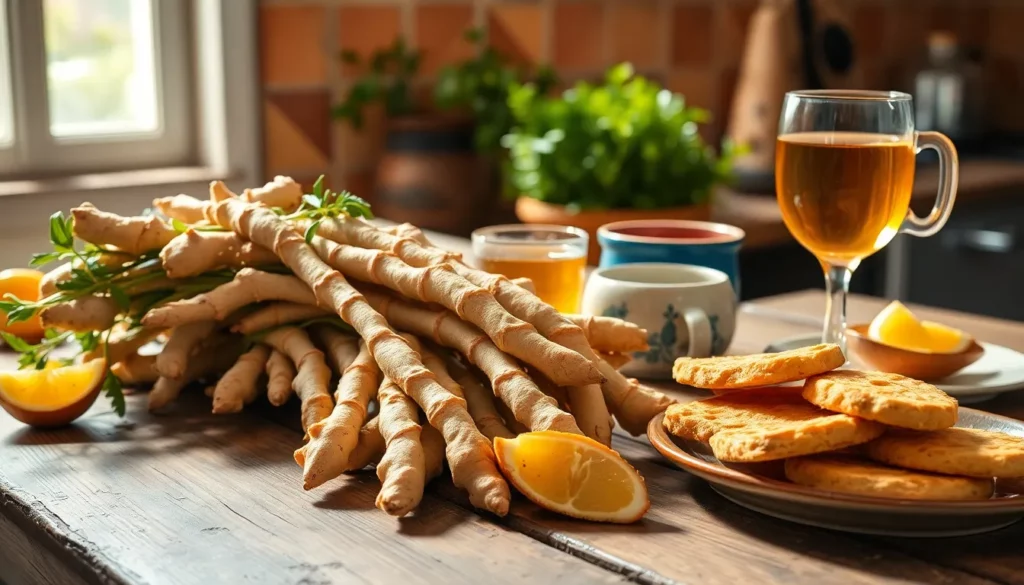
Zenzero (pronounced DZEN-dzeh-roh) is the Italian term for ginger, the pungent rhizome of Zingiber officinale. While not native to Italy, zenzero has been an integral part of Italian cuisine and folk medicine for centuries, prized for its warm, spicy kick and digestive properties. It is used fresh, dried, ground, or candied, appearing in both savory dishes and sweet confections, particularly in southern regions like Sicily and Calabria where historical spice trade routes left a lasting imprint.
Origin & History
Ginger originated in Southeast Asia and reached the Italian peninsula through ancient trade networks. The Romans imported ginger from the East as early as the 1st century CE, using it both as a spice and a medicinal remedy. After the fall of the Roman Empire, ginger remained a luxury item, traded by Venetian and Genoese merchants. By the Middle Ages, it was a staple in wealthy households, often used in sweet-and-savory dishes typical of the era. In Sicily, Arab influence (9th–11th centuries) introduced new uses for ginger, blending it with local citrus, almonds, and honey. Over time, zenzero became embedded in regional traditions, from the mostarda of the North to the cannoli and gelo of the South. Despite the rise of the spice trade and later industrialization, zenzero never dominated Italian cooking like black pepper or cinnamon, but it maintained a steady presence in specific niches.
What’s In It
Zenzero is composed of water, carbohydrates, and volatile oils (gingerol, shogaol, zingerone) that give it its characteristic heat and aroma. In Italian kitchens, it is most commonly used in three forms:

- Fresh zenzero: peeled and grated or sliced, added to stir-fries, soups, marinades, and teas.
- Dried ground zenzero: a powder used in baked goods (biscotti, panforte) and spice blends.
- Candied zenzero: cooked in sugar syrup, often eaten as a digestif or used in desserts.
Unlike similar-sounding Italian spices like zenzero selvatico (wild ginger, Asarum europaeum), true zenzero is always from the Zingiber family. It is also distinct from curcuma (turmeric), which is sometimes called “yellow ginger” but has a milder, earthier flavor.
Regional Variations
Zenzero is used differently across Italy, reflecting local tastes and historical influences. Below is a comparison of three major regions:
| Region | Typical Use | Notable Dish |
|---|---|---|
| Sicily | Fresh and candied ginger in desserts and preserves; also in savory fish dishes. | Gelo di zenzero (ginger jelly) – a refreshing summer dessert with lemon and mint. |
| Calabria | Dried ground ginger in spicy nduja and other cured meats; also in mostarda. | Mostarda di zenzero – a spicy fruit conserve served with cheese or boiled meats. |
| Liguria | Fresh ginger in pesto variations and seafood dishes, influenced by maritime trade. | Pesto alla genovese con zenzero – a modern twist on classic pesto, adding grated ginger for warmth. |
Other regions use zenzero more sparingly: in Tuscany, it appears in panforte; in Veneto, in mostarda vicentina; and in the North, it is often brewed as a tea (tè allo zenzero) for its warming properties.
How It’s Traditionally Eaten
Zenzero is not a standalone dish but an ingredient that enhances others. In Italian cuisine, it is typically used in small quantities to add depth. It appears in:
- Primi (first courses): added to broths, risottos, or pasta sauces (e.g., spaghetti con zenzero e limone).
- Secondi (main courses): as a marinade for fish, chicken, or pork; or grated into meatballs.
- Contorni (side dishes): in roasted vegetables or sautéed greens.
- Dolci (desserts): in biscotti, cakes, and candied forms.
- Bevande (beverages): as a tea, in liquore allo zenzero (ginger liqueur), or in spremuta (fresh juice) with lemon.
It is more common in everyday cooking in the South, while in the North it is often reserved for special occasions or holiday baking (e.g., panforte at Christmas).
Common Mistakes / What It’s Not
Many non-Italians assume zenzero is a recent addition to Italian cuisine, but it has ancient roots. Another misconception is that zenzero is interchangeable with zenzero selvatico (wild ginger), which is a different plant and can be toxic if misused. In Italian-American cooking, ground ginger is often overused in “Italian” dishes like pasta con zenzero that are actually American inventions. Authentic Italian use is subtle: a small grating of fresh ginger, not a heavy dusting of powder. Also, zenzero is not a substitute for peperoncino (chili) – they provide different kinds of heat.
Where to Try It / What to Order
To experience zenzero authentically, visit Sicily, especially during the summer when gelo di zenzero is sold in pastry shops (pasticcerie) in Palermo and Catania. In Calabria, look for mostarda di zenzero at local markets or agriturismi. In Liguria, some modern restaurants in Genoa offer pesto con zenzero. For travelers, ordering tè allo zenzero in any Italian café is a safe bet. If you want to cook with it, buy fresh ginger from ethnic grocery stores or farmers’ markets; avoid the dried powder for most traditional recipes.
Related Dishes
FAQ
Is zenzero the same as ginger?
Yes, zenzero is the Italian word for ginger, the rhizome of Zingiber officinale.
How is zenzero traditionally used in Italian cooking?
It is used fresh in savory dishes, dried in baked goods, and candied as a digestif or dessert ingredient. It is especially common in Sicilian and Calabrian cuisine.
Can I substitute ground ginger for fresh zenzero in Italian recipes?
Not ideally. Fresh ginger has a brighter, more pungent flavor. Ground ginger is better for baking. For authentic results, use the form specified in the recipe.
Where can I buy authentic zenzero in Italy?
Fresh zenzero is available in supermarkets and markets nationwide. For candied or dried varieties, visit pasticcerie in Sicily or specialty spice shops.
What is the difference between zenzero and zenzero selvatico?
Zenzero selvatico (wild ginger) is a different plant (Asarum europaeum) and is not used in Italian cuisine due to potential toxicity. Always use true ginger (Zingiber officinale).


Leave a Reply