
Short Answer
What Is Mais? Italian Ingredient Explained
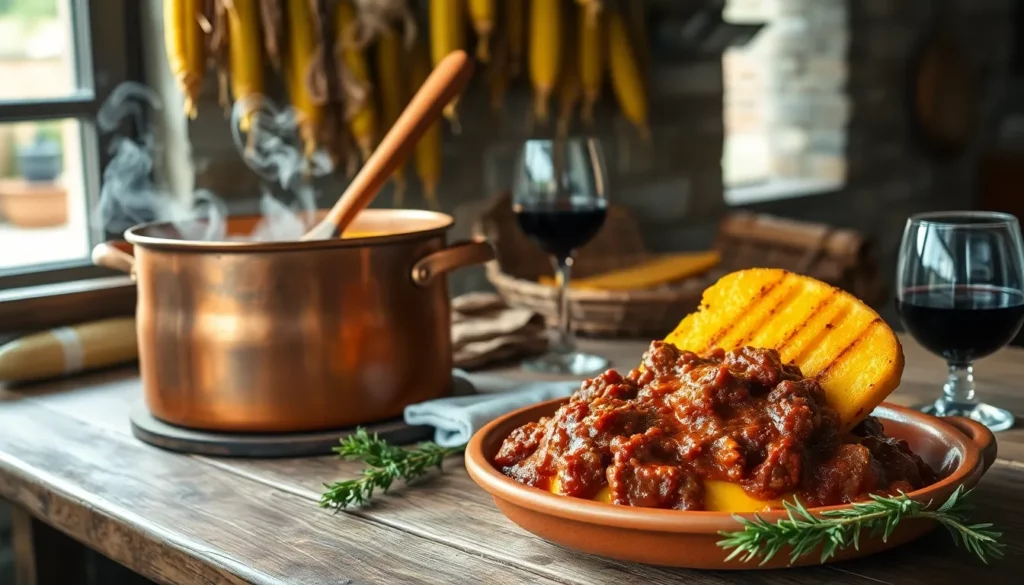
Mais (pronounced mah-ees) is the Italian term for maize or corn, a grain that, despite its New World origins, has become a cornerstone of Northern Italian cooking. Unlike the sweet corn commonly eaten on the cob in the United States, Italian mais is typically grown as field corn—hard, starchy, and ideal for milling into coarse flour. This flour is the essential ingredient for polenta, a creamy or firm porridge that has sustained generations of Italians from the Alps to the Po Valley. While corn is not native to Italy, its adoption in the 16th century revolutionized the country’s agriculture and cuisine, particularly in regions where wheat was difficult to cultivate.
Origin & History
Corn arrived in Europe from the Americas in the late 15th century, but it took several decades to reach the Italian peninsula. The first documented cultivation in Italy occurred in the Veneto region around 1530, likely introduced by Venetian merchants who had encountered the grain in the Ottoman Empire or Spain. By the early 17th century, corn had spread across the Po Valley, where its high yields and adaptability to poor soils made it a lifesaver for rural populations. The grain became known as granturco (Turkish grain) because it was thought to have come from the East, a common misattribution of the time.
Polenta, originally made from farro, millet, or chestnut flour, gradually shifted to cornmeal as mais became more available. This transition was not without controversy: a diet heavily reliant on corn led to pellagra, a niacin deficiency disease, which plagued Northern Italy until the early 20th century. Despite this dark chapter, mais remained a staple, and today it is celebrated in countless regional dishes. A popular anecdote tells of Venetian peasants who, after a poor wheat harvest, turned to polenta as their daily bread, eventually developing a deep cultural attachment to the golden porridge.
What’s In It
At its core, mais is simply dried corn kernels, but the specific variety matters greatly. Italian polenta is typically made from flint corn (mais corneo) or dent corn (mais dentato), which have a hard, glassy endosperm that yields a coarse, granular flour. The flour is graded by texture: bramata (coarse), fioretto (medium), and farina di mais (fine). Unlike American cornmeal, Italian polenta flour is often stone-ground and may include a mix of yellow and white varieties.
Preparation is deceptively simple: the flour is slowly whisked into boiling salted water and stirred continuously for 40–60 minutes until it pulls away from the pot. The result can be served morbida (soft and creamy) or allowed to cool, solidify, and then sliced and grilled or fried. This distinguishes it from similar dishes like American grits (made from hominy) or Romanian mămăligă, which uses a finer grind and is often drier.
Regional Variations
While polenta is the most famous use of mais, regional differences are striking. The table below highlights three major areas:
| Region | Typical Dish | Key Characteristics |
|---|---|---|
| Veneto | Polenta e osei | Soft polenta served with small game birds; also a dessert version with chocolate and almonds. |
| Lombardy | Polenta taragna | Made with a mix of cornmeal and buckwheat flour, giving a darker color and nutty flavor; often enriched with butter and cheese. |
| Friuli-Venezia Giulia | Polenta con frico | Polenta paired with frico, a crispy cheese and potato pancake; sometimes served with sauerkraut. |
In Piedmont, polenta is often served with brasato al Barolo (braised beef in red wine), while in Trentino-Alto Adige, it accompanies game and mushrooms. Southern Italy uses mais less frequently, but in Campania, polenta di mais appears as a side dish with sausages or stewed tomatoes.
How It’s Traditionally Eaten
In Italian meals, polenta made from mais is most often served as a contorno (side dish) or, in poorer households, as a primo (first course) when meat was scarce. It is rarely eaten as a standalone dish. Traditional pairings include slow-cooked meat ragu, sausages, mushrooms, and strong cheeses like Gorgonzola or Taleggio. In Veneto, polenta e osei is a festive dish for hunting season, while in Lombardy, polenta taragna is a winter comfort food.
Polenta is also a staple at festivals: the Sagra della Polenta in many towns celebrates the harvest with communal cooking in large copper pots. On holidays like Christmas, polenta may be served with baccalà (salt cod) or cotechino (pork sausage). Everyday polenta is often left to cool, sliced, and grilled the next day—a practice born of thrift.
Common Mistakes / What It’s Not
One frequent misconception is that polenta and cornmeal mush are the same. While both are corn-based, Italian polenta uses a coarser grind and is cooked to a specific texture—never gluey or pasty. Another error is treating instant polenta as authentic; traditional polenta requires patience and constant stirring. Additionally, many American-Italian restaurants serve polenta as a soft, bland base for heavy sauces, whereas in Italy it is often firm and grilled, allowing the corn flavor to shine.
Mais is not sweet corn. Italian field corn has a lower sugar content and higher starch, which is why polenta tastes savory and earthy, not sweet. Finally, polenta is not a substitute for pasta; it is a distinct grain preparation with its own cultural identity.
Where to Try It / What to Order
For an authentic experience, head to the Veneto region and visit a trattoria in the hills of Treviso or Vicenza. Order polenta e osei if you enjoy game, or polenta con baccalà for a classic pairing. In Lombardy, seek out polenta taragna at a mountain rifugio in Valtellina. For a festival, the Sagra della Polenta in San Giorgio di Piano (Bologna) or the Festa della Polenta in Città di Castello (Umbria) offer communal cooking and tasting.
When ordering, specify polenta morbida (soft) or polenta grigliata (grilled). If you see polenta concia on a menu, it means the polenta is enriched with butter and cheese—a decadent treat. Travelers should also look for farina di mais per polenta in local markets to bring home.
Related Dishes
FAQ
Is polenta the same as cornmeal?
Not exactly. Polenta refers to the finished dish made from cornmeal, but the term is also used for the coarse cornmeal itself. In Italy, polenta flour is typically stone-ground from specific varieties of flint or dent corn, giving it a distinct texture and flavor compared to standard American cornmeal.
What is the difference between polenta and grits?
Grits are made from hominy (dried corn treated with alkali) and have a finer, smoother texture. Polenta uses untreated cornmeal and is coarser, resulting in a more granular, hearty consistency. Grits are associated with the American South, while polenta is a Northern Italian staple.
How is mais traditionally served in Italy?
Mais is most commonly served as polenta, either soft (morbida) as a side dish or first course, or firm and grilled (grigliata). It pairs with meat ragu, sausages, mushrooms, cheese, or fish. In some regions, it is also used in desserts like polenta e osei (with chocolate and almonds).
Can I use sweet corn to make polenta?
No. Sweet corn has high sugar content and a soft texture, which will not produce the proper starch structure for polenta. Use dried field corn (flint or dent varieties) specifically labeled for polenta.
Why did polenta cause pellagra in Italy?
Pellagra is caused by niacin deficiency. Corn is low in niacin and also contains it in a bound form that humans cannot absorb without alkali processing (nixtamalization). Italians did not treat corn with lime or ash, leading to widespread pellagra among poor populations who relied heavily on polenta.
Leave a Reply