
Short Answer
What Is Zafferano? Italian Spice Explained
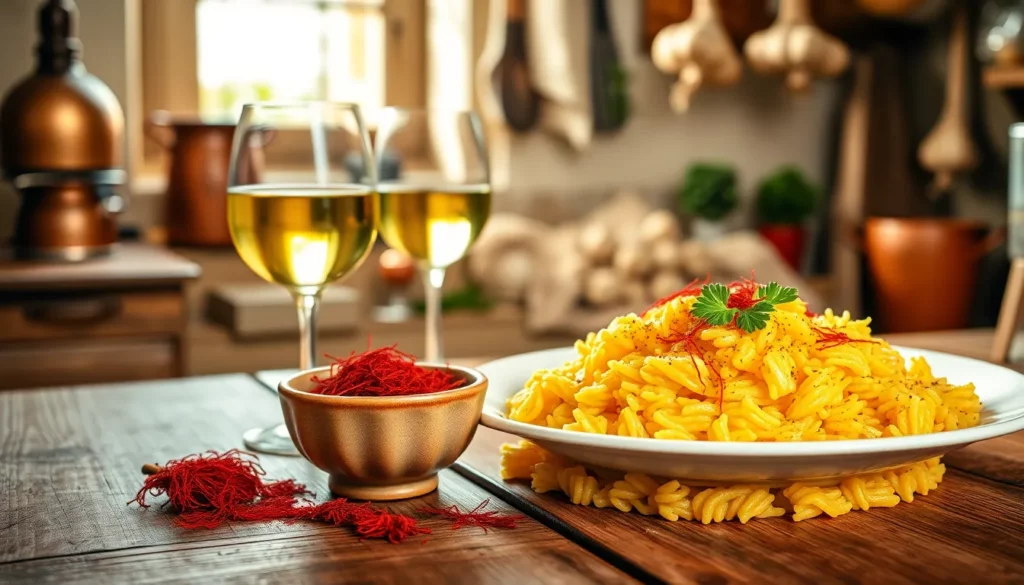
Zafferano, the Italian word for saffron, is a prized spice derived from the dried stigmas of the Crocus sativus flower. Known for its vibrant golden hue, distinct aroma, and subtle earthy flavor, zafferano has been a cornerstone of Italian cuisine for centuries. While saffron is used globally, in Italy it is particularly associated with the northern region of Lombardy, where it gives the iconic Risotto alla Milanese its characteristic color and taste. However, zafferano also appears in dishes from Abruzzo, Sardinia, and other regions, each with unique traditions. This article explores the history, production, culinary uses, and cultural significance of zafferano in Italy.
Origin & History
The cultivation of saffron in Italy dates back to ancient times, with evidence suggesting its introduction by the Phoenicians or later by the Arabs. However, the most famous Italian saffron-growing region is Abruzzo, particularly the area around L’Aquila, where “Zafferano dell’Aquila” has been produced since the Middle Ages. The spice was highly valued in medieval and Renaissance Italy for its medicinal properties, as a dye, and as a flavoring. A popular legend claims that a 14th-century Flemish glassmaker added saffron to a risotto dish in Milan, creating the first Risotto alla Milanese. While the story is likely apocryphal, it underscores the deep connection between zafferano and Milanese cuisine. Today, Italian saffron is protected by DOP (Denominazione di Origine Protetta) status for Zafferano dell’Aquila and Zafferano di Sardegna, ensuring quality and authenticity.
What’s In It
Zafferano is not a dish but an ingredient. The spice consists of the dried stigmas of Crocus sativus. Each flower yields only three stigmas, which are hand-harvested and dried, making saffron the world’s most expensive spice by weight. The key compounds responsible for its color (crocin), flavor (picrocrocin), and aroma (safranal) are unique. In Italian cooking, zafferano is typically used in small quantities, often dissolved in warm water or broth before being added to dishes. It is essential for Risotto alla Milanese, but also appears in pasta dishes (e.g., pasta con lo zafferano in Sardinia), fish soups, and even desserts like panettone. It is important to distinguish true zafferano from imitations or substitutes like turmeric, which is sometimes called “poor man’s saffron” but lacks the complex flavor profile.
Regional Variations
While zafferano is used throughout Italy, its application varies significantly by region. Below is a comparison of three major regions:
| Region | Dish | Characteristics |
|---|---|---|
| Lombardy | Risotto alla Milanese | Creamy risotto with beef bone marrow, butter, and Parmigiano-Reggiano; saffron gives a golden color and subtle flavor. |
| Abruzzo | Arrosticini with Saffron | Skewered lamb or mutton seasoned with local saffron, often grilled over charcoal. |
| Sardinia | Pasta con lo Zafferano | Fresh pasta (like malloreddus) with a simple sauce of saffron, garlic, and pecorino; sometimes with bottarga. |
Other regions like Sicily use saffron in seafood dishes, while in Tuscany it appears in some bread recipes. The quality and intensity of saffron also differ: Abruzzo’s saffron is known for its high crocin content, giving a deep red color.
How It’s Traditionally Eaten
Zafferano is not eaten alone but as a flavoring agent. In Italian meals, saffron-infused dishes typically appear as a primo (first course), such as risotto or pasta. Risotto alla Milanese is often served as a side to ossobuco (braised veal shanks) in Lombardy, but it can also be a main course. In Abruzzo, saffron is used in both primi and secondi (main courses), like the aforementioned arrosticini. Saffron is also used in some holiday breads and desserts, such as the Milanese panettone (though not all versions include it). Because of its expense, saffron is reserved for special occasions in traditional cooking, though today it is more accessible.
Common Mistakes / What It’s Not
One common mistake is confusing zafferano with turmeric or other yellow spices. Turmeric is sometimes called “Indian saffron” but has a very different flavor (earthy, bitter) and should not be substituted in Italian recipes. Another mistake is using too much saffron, which can make a dish bitter or medicinal. Quality saffron should be used sparingly: a pinch (about 0.1 grams) is enough for a risotto for four. Also, pre-ground saffron powder is often adulterated; it is better to buy whole threads and grind them yourself. Finally, zafferano is not a dish itself; it is an ingredient. Dishes like “Risotto allo Zafferano” are simply risotto flavored with saffron.
Where to Try It / What to Order
To experience authentic zafferano, visit Italy. In Milan, order Risotto alla Milanese at a traditional trattoria like Trattoria Milanese or Antica Trattoria della Pesa. In Abruzzo, look for dishes featuring Zafferano dell’Aquila DOP, such as arrosticini or saffron-infused pasta. The town of L’Aquila hosts an annual saffron festival in October. In Sardinia, try pasta con lo zafferano in Cagliari or Oristano. When ordering, ask for “Risotto allo Zafferano” or “Pasta con Zafferano” to ensure the dish uses real saffron. Avoid dishes that use “zafferano” but are suspiciously cheap.
Related Dishes
FAQ
What is zafferano?
Zafferano is the Italian word for saffron, a spice derived from the dried stigmas of the Crocus sativus flower. It is prized for its golden color, distinct aroma, and subtle flavor, and is a key ingredient in many Italian regional dishes.
How is saffron used in Italian cooking?
Saffron is typically dissolved in warm water or broth and added to dishes like risotto (Risotto alla Milanese), pasta (pasta con lo zafferano), fish soups, and even desserts like panettone. It is used sparingly due to its intense flavor and high cost.
What is the difference between saffron and turmeric?
Turmeric is sometimes called 'poor man's saffron' but has a very different flavor (earthy, bitter) and color (yellow-orange). True saffron has a complex, floral, and slightly sweet taste and imparts a golden hue. Turmeric should not be substituted in Italian recipes that call for zafferano.
Where can I buy authentic Italian saffron?
Look for DOP-certified saffron from Abruzzo (Zafferano dell'Aquila) or Sardinia (Zafferano di Sardegna). Buy whole threads rather than powder to ensure purity. Reputable online retailers or specialty Italian food stores are good sources.
Can I use saffron in desserts?
Yes, saffron is used in some Italian desserts, such as panettone (especially in Milan) and certain regional cakes. It adds a unique floral note and golden color.


Leave a Reply