
Short Answer
What It Is
Zucchini, known as zucchina in Italian (plural zucchine), is a summer squash belonging to the species Cucurbita pepo. Although the plant originated in the Americas, the modern zucchini as we know it was developed in Italy during the 19th century, particularly in the regions of Liguria and Emilia-Romagna. Today, Italy remains one of the largest producers and consumers of zucchini, with two protected geographical indications: Zucchino di Albenga (PGI) from Liguria and Zucchino di Faenza (PGI) from Emilia-Romagna. These designations guarantee that the zucchini are grown according to traditional methods in their respective terroirs, resulting in distinct flavors and textures.
Botanically, zucchini is a fruit, but it is culinarily treated as a vegetable. It is characterized by its thin, edible skin, tender flesh, and mild, slightly sweet flavor. The plant is prolific, making it a staple in home gardens and commercial farms alike.
Types & Grades
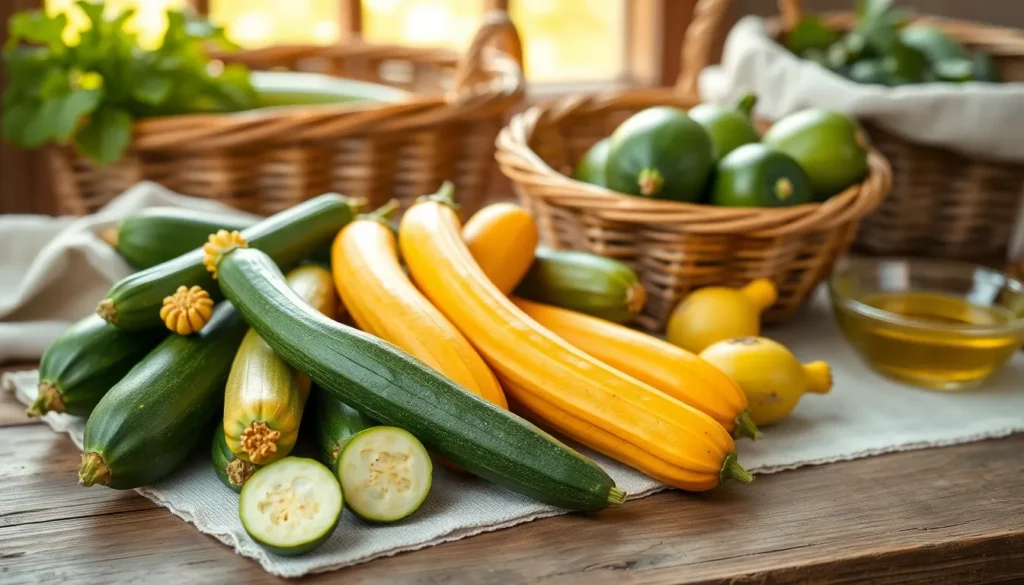
Zucchini come in a variety of shapes, colors, and sizes. While the common dark green zucchini is most familiar, several other types are prized in Italian cuisine. Below is a table of notable varieties:
| Variety | Color | Shape | Typical Use |
|---|---|---|---|
| Green Zucchini | Dark green | Cylindrical | All-purpose: grilling, sautéing, baking |
| Yellow Zucchini | Golden yellow | Cylindrical | Similar to green; adds color |
| Round Zucchini (e.g., ‘Ronde de Nice’) | Green or yellow | Spherical | Stuffed (zucchine ripiene) |
| Tromboncino | Light green | Curved, long | Grilled, sliced; mild flavor |
| Zucchino di Albenga (PGI) | Light green with stripes | Slender, slightly curved | Raw in salads, light cooking |
| Zucchino di Faenza (PGI) | Dark green | Straight, medium length | Frying, baking, traditional dishes |
Grading is typically based on size and freshness:
- Baby zucchini (5–10 cm): Tender, eaten raw or lightly cooked; often sold with blossoms attached.
- Medium zucchini (15–20 cm): Ideal for most recipes; balanced flavor and texture.
- Large zucchini (over 25 cm): More seeds and watery; best for stuffed dishes or grating.
How It’s Used in Cooking
Zucchini is incredibly versatile in Italian cooking. Its mild flavor absorbs other ingredients, making it a perfect canvas for herbs, garlic, and cheese. Traditional preparations include:
- Frittata di zucchine: A thick omelet with sliced zucchini, often with onions and Parmesan.
- Spaghetti alla Nerano: A famous pasta dish from Campania, where fried zucchini are blended into a creamy sauce with provolone del Monaco.
- Zucchine alla scapece: Marinated zucchini slices, fried and dressed with vinegar, mint, and garlic.
- Zucchine ripiene: Round zucchini hollowed and stuffed with a mixture of breadcrumbs, herbs, and sometimes meat or cheese, then baked.
- Zucchini blossoms (fiori di zucca): Stuffed with mozzarella and anchovy, then battered and fried.
- Minestrone: Diced zucchini added to the classic vegetable soup.
- Grilled zucchini: Sliced lengthwise, grilled, and served as a contorno (side dish) with olive oil and lemon.
“The zucchini is a humble vegetable that, in the hands of an Italian cook, becomes a celebration of summer.” – Traditional saying from Liguria
Modern applications include spiralizing zucchini into “zoodles” as a low-carb pasta alternative, and using it in breads, muffins, and even desserts.
How to Choose/Identify Authentic Zucchini
When selecting zucchini, look for the following signs of freshness and quality:
- Firmness: The zucchini should be firm to the touch, not soft or rubbery.
- Skin: Glossy, unblemished skin without cuts or bruises. Dull skin indicates age.
- Size: Small to medium (15–20 cm) are best for flavor and texture. Larger ones may be watery and seedy.
- Stem: A fresh, green stem indicates recent harvest. A dry or brown stem suggests older produce.
- Weight: Heavier for its size means more moisture and freshness.
For authentic Italian DOP/PGI varieties, look for the official PGI label on the packaging or at the market. Zucchino di Albenga should be light green with characteristic stripes, while Zucchino di Faenza is dark green and straight. Buying from reputable Italian grocers or directly from producers in Liguria or Emilia-Romagna ensures authenticity.
Organic zucchini is often preferred for its flavor and lack of pesticide residues, but conventional zucchini is widely available and affordable.
Substitutes
If zucchini is unavailable, several Italian substitutes can be used depending on the dish:
- Yellow summer squash: Very similar in texture and flavor; can be used interchangeably in most recipes.
- Pattypan squash: Small, scallop-shaped; good for grilling or roasting, though slightly firmer.
- Eggplant: In cooked dishes like parmigiana or ratatouille, eggplant provides a similar tender texture and absorbs flavors well.
- Cucumber: In raw preparations (salads, crudités), cucumber offers a similar crunch, though it is more watery and less flavorful.
- Chayote: A pear-shaped squash with a mild taste; can be used in stir-fries or stuffed dishes, though it is less common in Italian cuisine.
For specific Italian recipes, yellow squash is the closest substitute. In stuffed dishes, round zucchini can be replaced with bell peppers or large tomatoes, but the texture will differ.
Zucchini is a cornerstone of Italian summer cooking, celebrated for its versatility, delicate flavor, and ease of cultivation. Whether enjoyed raw in salads, fried as blossoms, or baked in a hearty casserole, this squash embodies the essence of seasonal, rustic Italian cuisine. By understanding its varieties, selecting fresh specimens, and knowing suitable substitutes, home cooks and professionals alike can make the most of this beloved ingredient.
FAQ
Is zucchini a fruit or a vegetable?
Botanically, zucchini is a fruit because it develops from the flower of the plant and contains seeds. However, in culinary contexts, it is treated as a vegetable due to its savory flavor and uses.
How should I store fresh zucchini?
Store unwashed zucchini in a perforated plastic bag or paper bag in the refrigerator crisper drawer. Use within 5–7 days. Do not wash until ready to use, as moisture promotes spoilage.
Can you eat zucchini raw?
Yes, zucchini can be eaten raw. It is often sliced or spiralized into salads, crudité platters, or used as a low-carb pasta alternative. Raw zucchini is crunchy and mild, but some people may find it slightly bitter.
What is the difference between zucchini and courgette?
There is no botanical difference; 'courgette' is the French and British English term, while 'zucchini' is the Italian and American English term. Both refer to the same vegetable.


Leave a Reply