
Short Answer
What Is Fettuccine? Italian Pasta Explained
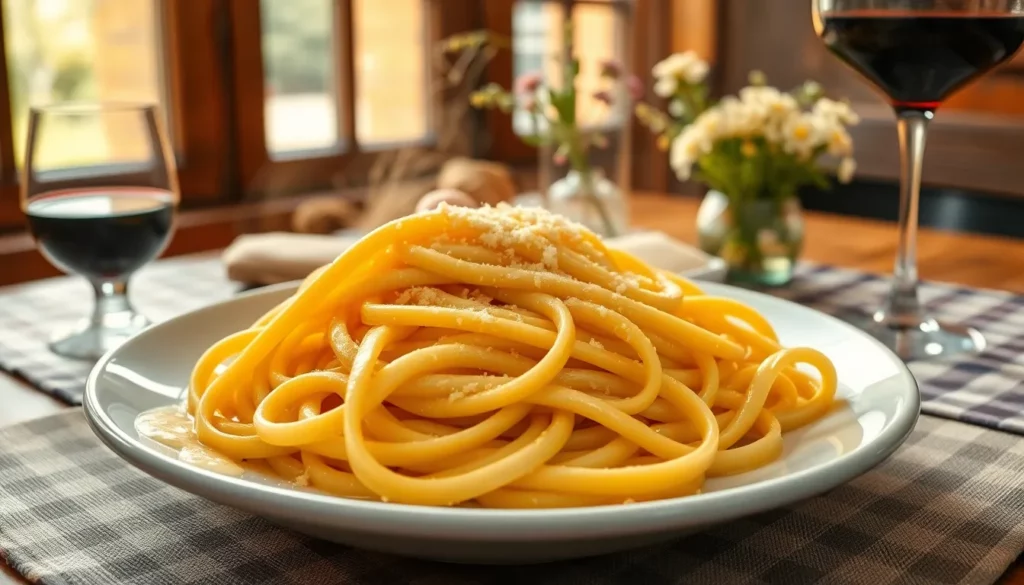
Fettuccine (pronounced fet-too-CHEE-nay) is a type of fresh egg pasta from central Italy, particularly associated with Rome and the Lazio region. The name derives from the Italian word fettuccia, meaning “little ribbon,” which describes its flat, narrow shape—typically about 6–8 mm (¼ inch) wide. Unlike dried pasta, fettuccine is made from a dough of soft wheat flour (farina 00) and whole eggs, giving it a rich yellow color and tender, slightly chewy texture. It is traditionally served with butter and Parmigiano-Reggiano (known as fettuccine al burro) or with a hearty ragù alla bolognese, though in Rome it is most famously paired with a simple sauce of butter, cream, and cheese—often mistakenly called Alfredo. Authentic Roman fettuccine is never served with chicken or broccoli; these are American adaptations.
Origin & History
The exact origins of fettuccine are debated, but most food historians agree that it emerged in Rome during the Renaissance, when fresh egg pasta became popular among the aristocracy. The first documented recipe for a similar pasta appears in the 15th-century cookbook De Honesta Voluptate by Bartolomeo Platina, which describes a dish of “lagana” (flat sheets of pasta) cut into strips. However, the name “fettuccine” itself is more recent, appearing in 19th-century Roman cookbooks. A persistent myth credits Alfredo di Lelio with inventing fettuccine Alfredo in 1914 at his restaurant in Rome, but in reality, he merely popularized a local dish of pasta with butter and cheese. The original Roman version, fettuccine al burro, is a simple preparation that highlights the quality of the pasta and the richness of Parmigiano-Reggiano. Fettuccine is closely related to tagliatelle (from Emilia-Romagna) and pappardelle (from Tuscany), but it is narrower than tagliatelle and wider than linguine.
What’s In It
Authentic fettuccine dough contains only two core ingredients: soft wheat flour (type 00) and whole eggs. The ratio is typically 100 grams of flour per large egg, with a pinch of salt sometimes added. No water or oil is used; the eggs provide all the moisture. The dough is kneaded until smooth, rested, then rolled out into a thin sheet and cut into ribbons about 6–8 mm wide. The pasta is cooked in salted boiling water until al dente—usually 2–4 minutes for fresh pasta. Key preparation nuances: fresh fettuccine should be cooked immediately or dried briefly; it should never be overcooked. The dish is differentiated from similar pastas like tagliatelle (which is slightly wider and often used in Bolognese) and pappardelle (much wider, used in Tuscan game sauces). Fettuccine is also distinct from linguine, which is a flat but narrower pasta made without eggs.

Regional Variations
While fettuccine is most strongly associated with Rome, variations exist across Italy. The table below compares how the dish is prepared in three major regions.
| Region | Typical Sauce | Key Ingredients | Notes |
|---|---|---|---|
| Rome (Lazio) | Fettuccine al burro (butter and Parmigiano-Reggiano) or fettuccine alla romana (with butter, cream, and cheese) | Butter, Parmigiano-Reggiano, sometimes cream, black pepper | The original simple preparation; no chicken or broccoli. Often served as a primo piatto. |
| Emilia-Romagna | Fettuccine al ragù (meat sauce) | Ragù alla bolognese (beef, pork, tomato, wine, milk) | Here fettuccine is often replaced by tagliatelle, but fettuccine is used in some areas. The ragù is slow-cooked. |
| Sicily | Fettuccine alla Norma (with eggplant, tomato, ricotta salata) | Eggplant, tomatoes, basil, ricotta salata | A vegetarian adaptation; the pasta is sometimes made with semola instead of eggs. |
Other regional touches include adding porcini mushrooms in Umbria or using a seafood sauce in coastal areas, though these are less traditional.
How It’s Traditionally Eaten
In Italy, fettuccine is served as a primo piatto (first course), following antipasti and before a secondo (meat or fish). It is never a main dish or a side. The portion is modest—about 80–100 grams of pasta per person. Fettuccine is typically paired with a light red wine such as a Chianti or a Montepulciano d’Abruzzo. It is an everyday dish in Rome, but also appears on holiday tables, especially during Christmas or Easter when richer sauces are used. The pasta is always tossed with the sauce in a pan before serving, never topped with sauce. Grated Parmigiano-Reggiano is offered at the table, but never Pecorino Romano unless specified (e.g., in cacio e pepe).
Common Mistakes / What It’s Not
Many American-Italian misconceptions surround fettuccine. Fettuccine Alfredo as served in the United States—a heavy cream sauce with garlic, chicken, and broccoli—is not an authentic Italian dish. The original Roman fettuccine al burro uses only butter and Parmigiano-Reggiano; cream is a later addition, and chicken or broccoli are never included. Another mistake is treating fettuccine as a substitute for tagliatelle in Bolognese; while possible, purists insist on tagliatelle for ragù alla bolognese. Fettuccine is also not a dried pasta; authentic versions are always fresh. Finally, fettuccine should not be rinsed after cooking; the starch helps the sauce adhere.
Where to Try It / What to Order
For the most authentic experience, visit Rome and order fettuccine al burro or fettuccine alla romana at a traditional trattoria such as Da Enzo al 29 in Trastevere or Armando al Pantheon. In Emilia-Romagna, look for fettuccine al ragù at Osteria Francescana (Modena) or Trattoria da Gianni in Bologna. In Sicily, try fettuccine alla Norma at Osteria dei Vespri in Palermo. When ordering, specify fettuccine fatte in casa (homemade) and ask for the sauce to be mantecato (creamed) with the pasta. Avoid restaurants that offer “Fettuccine Alfredo” with chicken—this is a tourist trap.
Related Dishes
FAQ
What is the difference between fettuccine and tagliatelle?
Fettuccine is slightly narrower (6–8 mm) than tagliatelle (8–10 mm). Both are fresh egg pastas, but tagliatelle is traditional in Emilia-Romagna and often paired with ragù alla bolognese, while fettuccine is Roman and typically served with butter and cheese.
Is fettuccine Alfredo authentic Italian?
No. The original Roman dish is fettuccine al burro (butter and Parmigiano-Reggiano). The American version with heavy cream, garlic, chicken, and broccoli is a 20th-century invention.
Can I make fettuccine without eggs?
Traditional fettuccine is made with eggs. Eggless versions exist but are not authentic; they are more like pappardelle or other flat pastas made with water and semolina.
What wine pairs best with fettuccine al burro?
A light, crisp white wine like a Frascati (from Lazio) or a young red like a Chianti. The simplicity of the dish calls for a wine that doesn't overpower the delicate flavors.
How should I store fresh fettuccine?
Fresh fettuccine can be refrigerated for up to 2 days, dusted with flour and wrapped in a clean cloth. For longer storage, freeze it in portions for up to 3 months.
Leave a Reply