
Short Answer
What Is Zucca? Italian Vegetable Explained
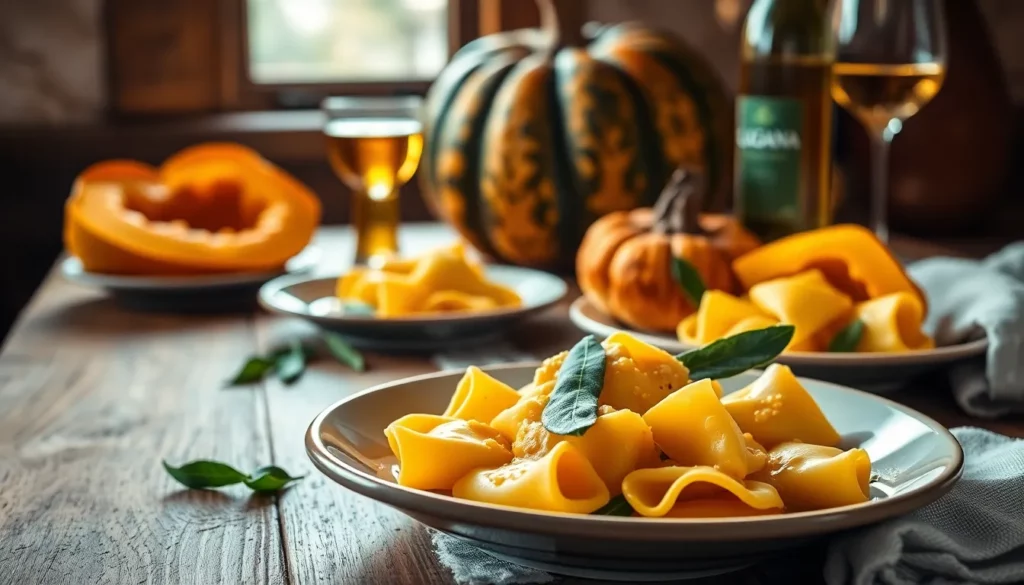
Zucca is the Italian term for pumpkin or winter squash, encompassing a range of varieties cultivated across the Italian peninsula. Unlike the single species common in North America, Italian zucca includes Cucurbita maxima (e.g., ‘Zucca Mantovana’, ‘Marina di Chioggia’) and Cucurbita moschata (e.g., ‘Zucca Butternut’). It is a fundamental ingredient in northern Italian cuisine, particularly in Lombardy, Veneto, and Emilia-Romagna, where it appears in stuffed pasta, risotti, soups, and contorni. The flesh is prized for its dense, sweet, and nutty flavor, often enhanced with sage, nutmeg, Parmesan, or sweet-sour condiments.
Origin & History
Pumpkin is not native to Italy; it originated in Mesoamerica and was introduced to Europe following Christopher Columbus’s voyages in the late 15th century. By the 16th century, zucca had become established in the Po Valley, where the fertile alluvial soil and temperate climate proved ideal for cultivation. The city of Mantua (Mantova) in Lombardy is historically linked to zucca, particularly the ‘Zucca Mantovana’ variety, which is the basis for the iconic tortelli di zucca. Early Italian cookbooks, such as Bartolomeo Scappi’s Opera (1570), include recipes for pumpkin boiled, fried, or used in pies. Initially considered a peasant food due to its low cost and high yield, zucca gradually ascended to noble tables, especially in the Renaissance courts of the Gonzaga family in Mantua, where it was stuffed, roasted, and sweetened with honey and spices. A popular anecdote tells of a Mantuan chef who, in the 16th century, created tortelli di zucca to impress a visiting cardinal, combining the local pumpkin with amaretti and mostarda—a tradition that continues today.
What’s In It
Zucca as an ingredient is defined by its flesh, which is peeled, seeded, and cooked before use. The most common preparation methods are roasting, boiling, or steaming to concentrate sweetness and remove excess moisture. Core ingredients in zucca dishes vary by recipe but often include:

- Pumpkin flesh – typically from varieties like ‘Zucca Mantovana’ (green, ribbed, floury) or ‘Marina di Chioggia’ (warty, deep orange).
- Aromatics – sage, rosemary, garlic, or nutmeg.
- Dairy – butter, Parmigiano-Reggiano, or ricotta.
- Sweeteners – amaretti cookies, mostarda (candied fruit in mustard syrup), or honey (in sweet-sour preparations).
- Grains – rice (for risotto), pasta dough (for tortelli or gnocchi).
Zucca is distinct from similar Italian squash-based dishes: tortelli di zucca are stuffed pasta parcels, not to be confused with gnocchi di zucca (dumplings made with pumpkin and flour) or risotto alla zucca (a creamy rice dish). The key differentiator is the use of amaretti and mostarda in the filling, which gives tortelli a unique sweet-savory profile.
Regional Variations
Zucca is interpreted differently across Italy, reflecting local ingredients and culinary traditions. The table below highlights three major regional styles:
| Region | Dish | Key Characteristics |
|---|---|---|
| Lombardy (Mantua) | Tortelli di zucca | Pasta parcels filled with mashed pumpkin, amaretti, mostarda, Parmigiano, and nutmeg; served with melted butter and sage. |
| Veneto | Risotto alla zucca | Carnaroli or Vialone Nano rice cooked with pumpkin purée, onion, broth, and finished with butter and Parmigiano; often topped with crispy sage. |
| Sicily | Zucca in agrodolce | Pumpkin cubes fried or roasted, then glazed with a sweet-sour sauce of vinegar, sugar, raisins, pine nuts, and sometimes chocolate or cinnamon. |
In Campania, minestra di zucca is a hearty soup with pumpkin, beans, and greens, while in Liguria, zucca is used in torta pasqualina (Easter pie) and farinata di zucca (chickpea flatbread with pumpkin).
How It’s Traditionally Eaten
Zucca dishes occupy various courses in an Italian meal. Tortelli di zucca and risotto alla zucca are served as a primo (first course), often in autumn and winter. Zucca in agrodolce is a contorno (side dish) or antipasto, while torta di zucca (pumpkin cake) is a dolce (dessert). Pairings are simple: butter and sage for tortelli, a dry white wine like Lugana or Soave for risotto, and a sweet passito wine for agrodolce. Zucca is not typically associated with holidays, but tortelli di zucca are a Christmas Eve tradition in Mantua, and zucca in agrodolce appears on Sicilian tables during the Feast of the Immaculate Conception.
Common Mistakes / What It’s Not
Many American-Italian misconceptions surround zucca. First, zucca is not synonymous with the large, watery carving pumpkins used for Halloween; Italian varieties are denser, sweeter, and less stringy. Second, zucca is not a single dish but a versatile ingredient—ordering ‘zucca’ in Italy will get you a side of roasted pumpkin, not a specific recipe. Third, tortelli di zucca are not ‘pumpkin ravioli’ in the American sense; the filling includes amaretti and mostarda, which add a complex sweet-spicy note absent in typical pumpkin ravioli. Finally, zucca is not limited to savory applications; it appears in desserts like torta di zucca and zucca candita (candied pumpkin).
Where to Try It / What to Order
For an authentic experience, visit Mantua (Lombardy) and order tortelli di zucca at a traditional trattoria like Osteria dell’Oca or Trattoria La Bottega. In Venice, seek out risotto alla zucca at a bacaro or restaurant specializing in Venetian cuisine, such as Osteria alle Testiere. In Palermo (Sicily), try zucca in agrodolce at a street food stall or at Antica Focacceria San Francesco. For home cooking, look for ‘Zucca Mantovana’ or ‘Marina di Chioggia’ at Italian markets or specialty grocers. When ordering, specify the dish name (e.g., ‘tortelli di zucca’) and ask if the pumpkin is seasonal—zucca is best from September to December.
Related Dishes
FAQ
What is the difference between zucca and pumpkin?
Zucca is the Italian word for pumpkin and winter squash. In Italy, it refers to specific dense, sweet varieties like 'Zucca Mantovana' and 'Marina di Chioggia', which are different from the large, watery carving pumpkins common in North America.
Is zucca a main dish or a side dish?
Zucca is versatile: it can be a primo (e.g., risotto alla zucca, tortelli di zucca), a contorno (e.g., roasted zucca, zucca in agrodolce), or even a dessert (e.g., torta di zucca). Its role depends on the regional recipe.
What does zucca taste like?
Zucca has a sweet, nutty, and earthy flavor, with a dense, creamy texture when cooked. It is less watery and more flavorful than typical American pumpkins.
Can I substitute butternut squash for zucca?
Yes, butternut squash is a good substitute for many Italian zucca varieties, as it has a similar sweetness and texture. However, for authentic tortelli di zucca, seek out 'Zucca Mantovana' or 'Marina di Chioggia'.
What wine pairs well with zucca dishes?
For savory dishes like risotto alla zucca or tortelli di zucca, a dry white wine such as Lugana, Soave, or Friulano works well. For sweet-sour zucca in agrodolce, a sweet passito wine like Malvasia delle Lipari is ideal.

Leave a Reply