
Short Answer
What It Is
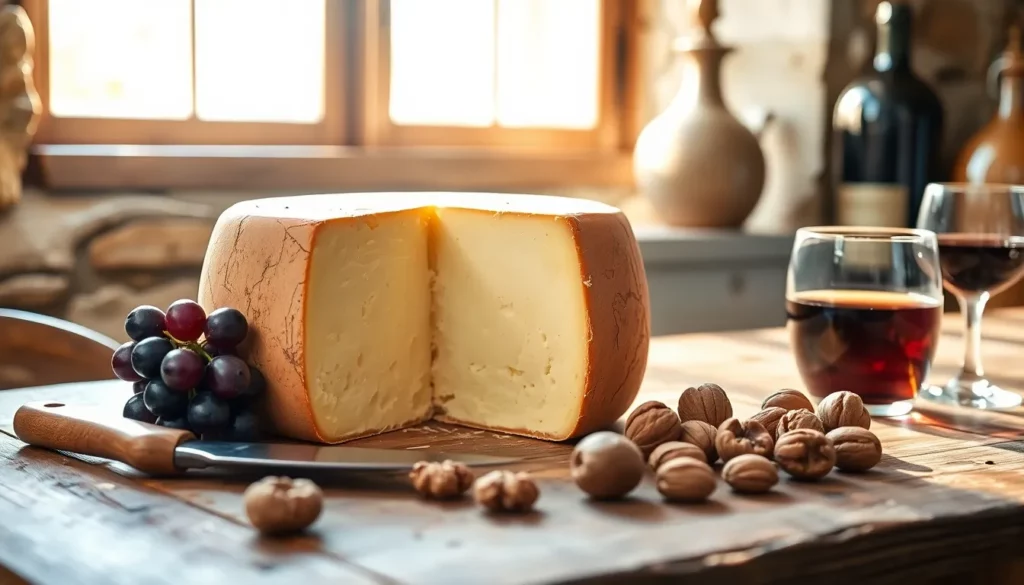
Toscanelli (also known locally as Toscanello or Toscanella) is a traditional semi-soft cheese originating from the rolling hills of Tuscany, Italy. It is a product of centuries-old pastoral traditions, typically made from whole cow’s milk, though artisanal versions often incorporate sheep’s or goat’s milk to impart complexity. The cheese is characterized by its pale straw-yellow interior, a thin, edible rind, and a mild, buttery flavor with subtle tangy notes.
While Toscanelli does not currently hold a Protected Designation of Origin (DOP) or Protected Geographical Indication (PGI) status, it is recognized as a Prodotto Agroalimentare Tradizionale (PAT) by the Italian Ministry of Agricultural Policies. This designation acknowledges its deep roots in Tuscan culinary heritage and the traditional methods still employed by small-scale dairies. The production area spans the provinces of Florence, Siena, Arezzo, and Pisa, where the cheese is often made from the milk of free-grazing cattle that feed on the region’s aromatic herbs and wildflowers.
The production process begins with the gentle heating of raw or pasteurized milk, followed by the addition of calf rennet. The curd is cut into small granules, then slowly cooked to achieve the desired moisture content. After draining, the curd is placed into molds and pressed lightly to form wheels weighing between 1 and 3 kilograms. The cheese is then brined and aged for a minimum of 20 days, though longer aging yields a firmer texture and more pronounced flavor. The result is a versatile cheese that bridges the gap between fresh and aged varieties.
“Il Toscanelli è il formaggio della terra toscana, semplice e genuino come i suoi pastori.” – Traditional Tuscan saying
Types & Grades
Toscanelli is classified primarily by its aging period, which directly influences texture, flavor intensity, and culinary applications. The following table outlines the main grades:
| Grade | Aging Time | Texture | Flavor Profile | Best Uses |
|---|---|---|---|---|
| Fresco (Fresh) | 20–40 days | Soft, moist, slightly crumbly | Mild, milky, with a hint of grass | Salads, antipasti, fresh pasta fillings |
| Stagionato (Semi-Aged) | 2–4 months | Firm yet pliable, smooth | Buttery, nutty, with a gentle tang | Table cheese, sandwiches, melting on vegetables |
| Vecchio (Aged) | 6–12 months | Hard, granular, slightly flaky | Intense, savory, with notes of hay and spice | Grating over pasta, risottos, or soups |
Within these grades, variations exist based on milk composition. Toscanelli di Vacca (cow’s milk) is the most common, while Toscanelli Misto (mixed milk) includes sheep or goat milk, adding a distinctive character. Some producers also offer a fumé version, lightly smoked over chestnut wood, which imparts a rustic aroma.
How It’s Used in Cooking
Toscanelli is a workhorse in the Tuscan kitchen, valued for its ability to adapt to both simple and elaborate dishes. Its fresh grade is often sliced into antipasti misti alongside cured meats, olives, and drizzled with local olive oil. In salads, it pairs beautifully with ripe tomatoes, basil, and a balsamic reduction.
The semi-aged variety shines in warm preparations. It melts evenly, making it ideal for crostini topped with sautéed mushrooms or for stuffing into zucchine ripiene (stuffed zucchini). A classic Tuscan dish, Pappa al Pomodoro, sometimes incorporates grated Toscanelli for added richness. Aged Toscanelli is a superb grating cheese, perfect for finishing Pici Cacio e Pepe or Ribollita, the famous Tuscan bread soup.
Signature Dishes
- Insalata di Toscanelli e Pere – Fresh Toscanelli slices with ripe pears, walnuts, and a honey-mustard dressing.
- Frittata di Toscanelli e Erbette – A fluffy omelette with fresh herbs and cubed semi-aged cheese.
- Gnocchi al Toscanelli – Potato gnocchi tossed in a light cream sauce with grated aged Toscanelli and sage.
Beyond these, the cheese is a staple in formaggi gratinati (gratin dishes) and can be used in place of more expensive Pecorino in many recipes, offering a milder alternative.
How to Choose/Identify Authentic Toscanelli
When purchasing Toscanelli, look for these authenticity cues to ensure you are getting a genuine artisanal product:
- Labeling: Authentic Toscanelli will often bear the PAT logo (a stylized red and white emblem) or the words “Prodotto Agroalimentare Tradizionale”. It should also list the specific milk type and the producer’s name and location in Tuscany.
- Rind: The natural rind is thin, edible, and may have a light bloom of mold (white or grayish) – this is normal and adds flavor. Avoid cheeses with thick, waxed, or plastic rinds.
- Texture: Fresh Toscanelli should be moist but not wet; aged versions should be firm and slightly crumbly. If the cheese feels rubbery or overly dry, it may be mass-produced.
- Aroma: A fresh, milky scent with grassy undertones is typical. Aged versions develop a more pungent, nutty aroma. Any ammonia smell indicates over-aging or poor storage.
- Price: Genuine artisanal Toscanelli is moderately priced – significantly cheaper than DOP Pecorino Toscano but more expensive than generic supermarket cheeses. Extremely low prices suggest industrial imitations.
For commercial buyers, sourcing directly from Tuscan dairies or reputable Italian importers is recommended. Look for producers who are members of Consorzio di Tutela del Toscanelli (if applicable) or who provide traceability information.
Substitutes
If Toscanelli is unavailable, several Italian cheeses can serve as substitutes, each bringing a different character to the dish:
- Pecorino Toscano DOP – A sheep’s milk cheese from the same region, with a firmer texture and more pronounced tang. Use it in equal amounts for grating or melting, but note it is saltier and stronger.
- Caciotta Toscana PGI – A cow’s milk cheese very similar to Toscanelli, often with a slightly creamier texture. It is the closest substitute and can be used interchangeably in most recipes.
- Fontal – A semi-soft cow’s milk cheese from northern Italy, with a mild, buttery flavor. It melts well and works in dishes where a subtle cheese is desired, though it lacks the Tuscan herbaceous notes.
- Fresh Mozzarella (for fresh grade) – While not aged, fresh mozzarella can replace fresh Toscanelli in salads and antipasti, offering a different texture (more elastic) and a neutral flavor.
When substituting, consider the aging grade: for fresh applications, use a soft, mild cheese; for aged, choose a hard, granular cheese. Adjust salt levels accordingly, as Toscanelli is generally less salty than Pecorino.
Conclusion
Toscanelli is a quintessential expression of Tuscan dairy craftsmanship, offering a range of textures and flavors that enhance both traditional and modern dishes. Whether enjoyed fresh in a summer salad or aged over pasta, this PAT-recognized cheese embodies the simplicity and richness of the region’s culinary heritage. By understanding its grades, uses, and authenticity markers, you can confidently select and savor this versatile ingredient.
FAQ
What is Toscanelli cheese?
Toscanelli is a traditional semi-soft cheese from Tuscany, Italy, made primarily from cow's milk. It is recognized as a PAT (Prodotto Agroalimentare Tradizionale) and comes in fresh, semi-aged, and aged grades, each with distinct textures and flavors.
How is Toscanelli cheese made?
The cheese is made by heating whole cow's milk, adding calf rennet, cutting the curd into small granules, and cooking it gently. The curd is then molded, pressed, brined, and aged for a minimum of 20 days. Longer aging produces a firmer, more flavorful cheese.
What dishes can I use Toscanelli in?
Toscanelli is versatile: fresh grade works in salads and antipasti; semi-aged melts well for crostini, frittatas, and gratins; aged is excellent for grating over pasta, risotto, or soups like Ribollita.
How should I store Toscanelli cheese?
Wrap Toscanelli in wax paper or a damp cloth, then place it in a loosely sealed container in the refrigerator. Avoid plastic wrap, which can cause sweating. Fresh Toscanelli should be consumed within a week; aged versions can last several weeks if stored properly.
Leave a Reply