
Short Answer
What It Is
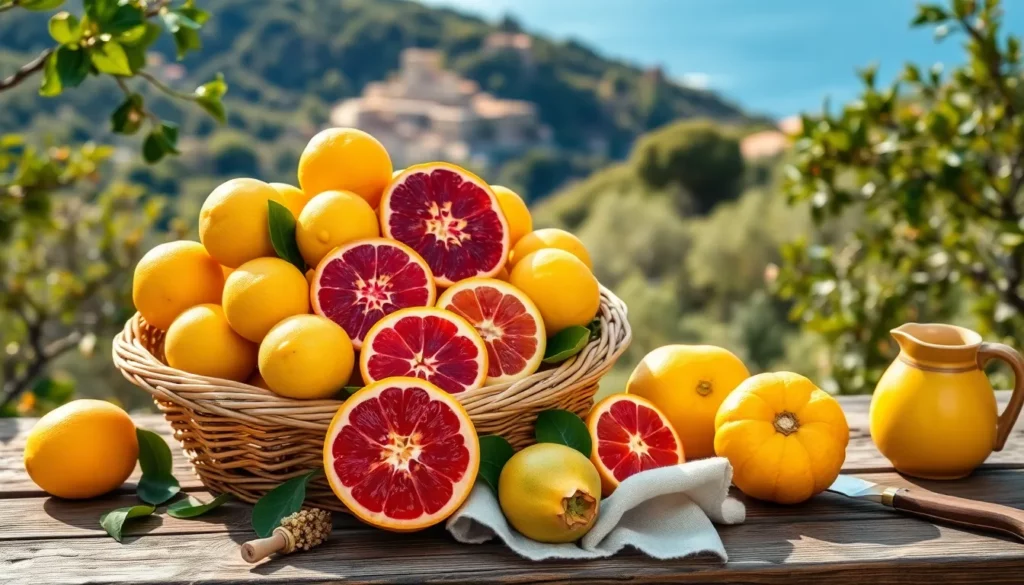
Agrumi is the Italian term for citrus fruits, encompassing a diverse group of species and cultivars that have been cultivated in Italy for centuries. The primary growing regions are the sun-drenched southern areas: Sicily, Calabria, Campania, and parts of Puglia and Sardinia. These regions benefit from Mediterranean climates with mild winters, abundant sunshine, and volcanic or mineral-rich soils that impart unique flavor profiles.
Several Italian citrus varieties have earned DOP (Denominazione di Origine Protetta) or PGI (Indicazione Geografica Protetta) status, guaranteeing their origin and traditional production methods. Notable examples include:
- Limone di Sorrento IGP – from the Sorrento Peninsula, known for its thick, aromatic skin and low acidity.
- Arancia Rossa di Sicilia IGP – blood oranges from Sicily, prized for their deep red flesh and sweet-tart flavor.
- Bergamotto di Reggio Calabria DOP – bergamot grown exclusively in the coastal strip of Reggio Calabria, essential for Earl Grey tea and perfumery.
- Limone di Siracusa IGP – lemons from the Syracuse area, with high juice content and intense fragrance.
- Cedro di Santa Maria del Cedro DOP – citron from Calabria, used for candied peel and Jewish ritual.
Production methods emphasize traditional, often organic, practices: hand-picking, minimal irrigation, and natural pest control. Many groves are terraced on hillsides, and fruits are harvested at peak ripeness to preserve essential oils and acidity.

Types & Grades
Agrumi can be classified by species, cultivar, and intended use. The table below outlines the most important Italian citrus types, their protected status, and typical applications.
| Variety | Region | DOP/PGI | Characteristics | Common Uses |
|---|---|---|---|---|
| Arancia (Orange) | Sicily, Calabria | Arancia Rossa di Sicilia IGP | Blood oranges: deep red flesh, sweet-tart, high anthocyanins | Fresh eating, juices, salads, desserts |
| Limone (Lemon) | Campania, Sicily, Calabria | Limone di Sorrento IGP, Limone di Siracusa IGP | Thick skin, high essential oil content, low acidity | Limoncello, preserves, seafood, baking |
| Bergamotto (Bergamot) | Calabria | Bergamotto di Reggio Calabria DOP | Yellow-green, pear-shaped, intensely aromatic, bitter | Earl Grey tea, perfumery, candied peel |
| Cedro (Citron) | Calabria, Campania | Cedro di Santa Maria del Cedro DOP | Large, bumpy skin, thick pith, mild flavor | Candied peel, Jewish cuisine, liqueurs |
| Mandarino (Mandarin) | Sicily, Calabria | Mandarino di Ciaculli (Slow Food Presidium) | Small, easy to peel, sweet, aromatic | Fresh eating, juices, desserts |
| Pompelmo (Grapefruit) | Sicily | None (but local varieties exist) | Large, pink or yellow flesh, bitter-sweet | Fresh, salads, cocktails |
Grades of agrumi are often based on size, blemish-free skin, and ripeness. For industrial use (juice, essential oils), lower grades are acceptable; for fresh market and DOP certification, only premium fruits qualify.
How It’s Used in Cooking
Italian cuisine celebrates agrumi in both sweet and savory dishes. Their acidity, aroma, and zest brighten flavors and add complexity.
Traditional Applications
- Limoncello – a lemon liqueur made by steeping lemon zest in alcohol, then mixing with sugar syrup. Best with Sorrento or Siracusa lemons.
- Arancini – Sicilian rice balls often flavored with orange zest or served with a blood orange sauce.
- Granita – semi-frozen dessert, especially granita al limone or granita all’arancia, using fresh juice and zest.
- Candied Peel – scorze candite from citron, orange, or lemon, used in panettone, cannoli, and other pastries.
- Insalata di arance – orange salad with fennel, olives, and red onion, dressed with olive oil.
- Sarde in saor – Venetian sweet-and-sour sardines with onions, pine nuts, raisins, and lemon or orange juice.
- Seafood – lemon juice is essential for raw fish (crudo), grilled fish, and shellfish.
- Desserts – torta al limone, cassata siciliana (with candied fruit), gelato.
“The scent of a lemon from Sorrento is like a Mediterranean breeze captured in a fruit.” – Traditional Italian saying
Bergamot is less common in cooking due to its bitterness, but its zest is used in some Calabrian pastries and, famously, to flavor Earl Grey tea. Citron is almost exclusively candied or used in liqueurs.
How to Choose/Identify Authentic Agrumi
To ensure you are buying genuine Italian agrumi, especially DOP/PGI varieties, follow these guidelines:
- Look for the DOP/PGI seal – on the fruit itself (stickers) or packaging. The European Union logo guarantees origin and production standards.
- Check the label – it should state the variety, region, and producer. For example, “Limone di Sorrento IGP” must come from the designated area.
- Seasonality – authentic agrumi are seasonal. Blood oranges peak from December to April; Sorrento lemons from March to October; bergamot from November to March.
- Appearance – DOP fruits often have slight imperfections (scars, spots) due to minimal pesticide use. Uniform, waxed, blemish-free fruits may be conventional.
- Aroma – genuine Italian citrus is intensely fragrant. If it smells faint or like detergent, it’s likely not authentic.
- Weight – heavy for their size indicates juiciness. Thin-skinned varieties (e.g., some oranges) should feel firm.
- Source – buy from reputable Italian delis, specialty grocers, or online retailers that import directly from Italy. Avoid mass-market supermarkets for DOP varieties.
For commercial buyers (restaurants, chefs), request certificates of origin and visit the producer if possible. Many DOP consortia offer traceability codes.
Substitutes
If a specific Italian agrumi is unavailable, you can substitute with other citrus, but be aware of flavor differences:
- For Sorrento lemons – use any organic, thick-skinned lemon (e.g., Eureka or Lisbon) but note they are more acidic. Add a pinch of sugar to balance.
- For blood oranges – regular navel oranges plus a splash of pomegranate juice for color and tartness, or use Cara Cara oranges for a similar sweetness.
- For bergamot – a mix of lemon and grapefruit zest (1:1) can approximate the floral-bitter note, but it won’t be exact. For tea, use actual bergamot oil if available.
- For citron – candied lemon or orange peel can replace candied citron in baking, though the texture is slightly different.
- For mandarins – clementines or tangerines are close substitutes.
When substituting, consider the dish’s purpose: for raw applications (salads, seafood), use the freshest possible alternative; for cooked dishes, the difference may be less noticeable.
Conclusion – Agrumi are a cornerstone of Italian gastronomy, offering a spectrum of flavors from sweet blood oranges to bitter bergamot. Understanding their origins, protected status, and culinary roles allows you to appreciate and use them authentically. Whether you’re making limoncello, granita, or a simple orange salad, choosing genuine Italian agrumi elevates the dish and connects you to centuries of tradition.
FAQ
What does DOP mean for Italian citrus fruits?
DOP (Denominazione di Origine Protetta) is a European Union certification that ensures the citrus fruit was grown, harvested, and processed entirely within a specific geographical region using traditional methods. For example, Limone di Sorrento IGP must come from the Sorrento Peninsula and meet strict quality standards. This guarantees authenticity and unique flavor characteristics tied to the terroir.
Can I substitute regular lemons for Sorrento lemons in limoncello?
Yes, but the result will differ. Sorrento lemons have a thick, aromatic skin with low acidity, which yields a limoncello that is intensely fragrant and less tart. Regular lemons (e.g., Eureka) are more acidic and have thinner skin, so you may need to adjust the sugar syrup ratio and expect a sharper flavor. For best results, use organic, unwaxed lemons and consider adding a bit of lemon extract.
What is the best way to store fresh agrumi?
Store most citrus fruits at room temperature if you plan to use them within a few days; this preserves their aroma and juiciness. For longer storage (up to two weeks), place them in the refrigerator's crisper drawer. Avoid sealing in plastic bags, as moisture can cause mold. DOP fruits with thick skins (like Sorrento lemons) can last longer at room temperature than thin-skinned varieties.
Why is bergamot not commonly eaten fresh?
Bergamot (Citrus bergamia) has a very bitter and acidic flavor profile, making it unpleasant to eat raw. Its value lies in its highly aromatic essential oil, which is extracted from the peel and used to flavor Earl Grey tea, perfumes, and some liqueurs. The pith is also candied, but the fruit itself is rarely consumed fresh.

Leave a Reply