
Short Answer
What It Is
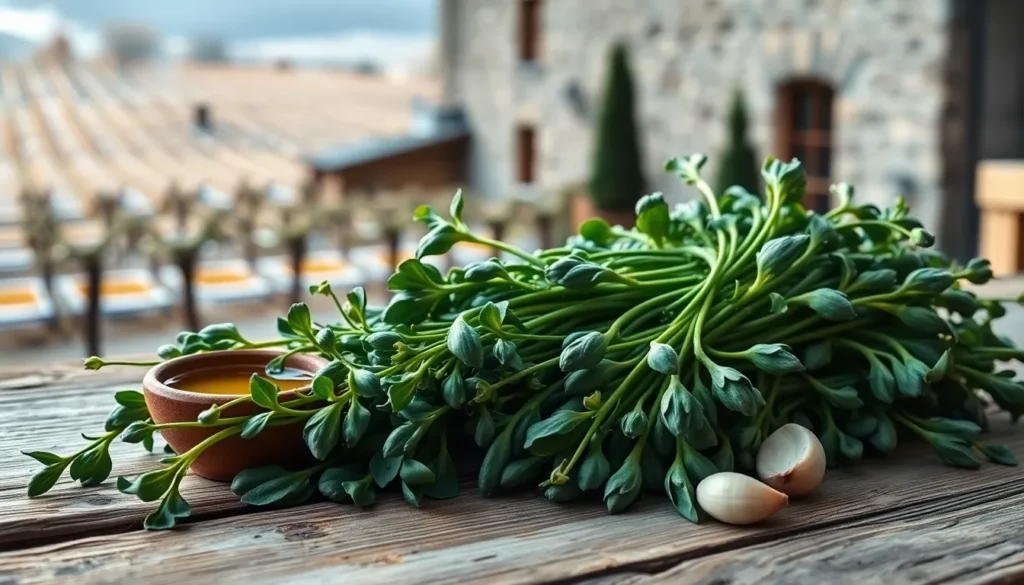
Broccoletti (Brassica rapa subsp. rapa) is a protected geographical indication (PGI) vegetable cultivated exclusively in the province of Brescia, Lombardy, northern Italy. The term refers to the tender, leafy shoots harvested from a specific turnip variety known locally as rapa di Rovato. Unlike common broccoli, Broccoletti develops small, loose florets surrounded by dark green leaves, all borne on slender, fibrous stems. The plant is biennial but grown as an annual, with seeds sown in late summer for a winter harvest. The PGI designation, granted by the European Union in 2016, ensures that only produce grown within the defined territory—encompassing the municipalities of Rovato, Coccaglio, and parts of Erbusco—and following strict traditional methods can bear the name Broccoletti di Rovato PGI.
Historical records trace Broccoletti cultivation to the 16th century, when Benedictine monks in the Franciacorta region developed the variety to exploit the area’s mineral-rich, well-drained soils. The microclimate, influenced by Lake Iseo and the Prealps, imparts a characteristic balance of bitterness and sweetness. Production remains artisanal: farmers sow seeds in August–September, thin seedlings to 20 cm apart, and harvest by hand from November to March, cutting the top 15–20 cm of the plant when the central bud is still compact. No synthetic pesticides are permitted under PGI rules, and irrigation is limited to dry spells.
“Broccoletti is not merely a vegetable; it is a living archive of Lombard agricultural wisdom, where every harvest tells the story of soil, season, and centuries of selection.” – Dr. Elena Fioravanti, Italian Ministry of Agricultural Policies
Types & Grades
Broccoletti is classified by harvest time and shoot development, which directly influence texture and flavor intensity. The PGI specification recognizes three commercial grades:

| Grade | Harvest Period | Characteristics | Best Use |
|---|---|---|---|
| Primizia (early) | November–December | Very tender, thin stems; mild bitterness; leaves are small and bright green. | Raw salads, quick sautéing, delicate pasta dishes. |
| Di Mezza Stagione (mid-season) | January–February | Stems slightly thicker; balanced bitter-sweet flavor; leaves fully developed. | Steaming, roasting, pairing with robust sauces. |
| Tardivo (late) | March | Stouter stems, more fibrous; pronounced bitterness; leaves darker and tougher. | Long-cooked soups, braised dishes, or blanched and gratinéed. |
Within each grade, producers further sort by stem diameter (≤8 mm for premium) and absence of yellowing or insect damage. Only the top 15 cm of the shoot is harvested; the lower, woodier portion is discarded in the field.
How It’s Used in Cooking
Broccoletti’s versatility stems from its ability to hold structure while absorbing flavors. Traditional Lombard cuisine treats it as a seasonal star, often paired with pork, cheese, or polenta. Signature dishes include:
- Broccoletti saltati con aglio e peperoncino – Sautéed in extra-virgin olive oil with garlic and dried chili, finished with a squeeze of lemon. Served as a contorno (side dish) alongside roasted meats.
- Risotto con Broccoletti – The shoots are blanched, then stirred into Carnaroli rice at the mantecatura stage, with Grana Padano and a touch of nutmeg.
- Pasta con Broccoletti e salsiccia – Orecchiette or strozzapreti tossed with crumbled pork sausage, sautéed Broccoletti, and a dusting of pecorino.
- Frittata di Broccoletti – A thick, oven-baked omelet incorporating blanched shoots, onions, and Parmigiano-Reggiano.
- Minestra di Broccoletti – A rustic soup with borlotti beans, potatoes, and stale bread, simmered until the greens are meltingly tender.
In professional kitchens, Broccoletti is often blanched in salted water for 90 seconds, then shocked in ice water to preserve color and reduce bitterness. It can be grilled over high heat for a smoky char, or puréed into a vibrant sauce for fish or white meats. The stems, if tender, are fully edible; tougher late-season stems benefit from peeling.
How to Choose/Identify Authentic Broccoletti
To ensure you are purchasing genuine Broccoletti di Rovato PGI, look for the following cues:
- Labeling: The product must display the PGI logo, the words “Broccoletti di Rovato PGI”, and the producer’s name and lot number. Counterfeit products often omit these details.
- Appearance: Authentic shoots have dark green, slightly crinkled leaves with a waxy sheen. The stems are pale green, never woody, and the florets are small and loose—not dense like broccoli.
- Aroma: Fresh Broccoletti emits a pungent, earthy scent reminiscent of turnip greens, with no mustiness or ammonia.
- Texture: When bent, a fresh stem should snap cleanly, not bend. The cut end should be moist, not dry or brown.
- Seasonality: Genuine Broccoletti is available only from November to March. Out-of-season offerings are likely generic rapini or imported substitutes.
- Price: PGI certification and artisanal production command a premium. If the price is suspiciously low, authenticity is questionable.
For commercial buyers, request a certificate of origin from the Consorzio di Tutela del Broccoletti di Rovato. Reputable Italian specialty distributors (e.g., Gustiamo, Eataly) source directly from PGI producers.
Substitutes
When Broccoletti is unavailable, Italian cuisine offers several authentic alternatives, each with distinct characteristics:
- Cime di Rapa (Rapini) – The closest substitute, also from the turnip family. It has a similar bitter profile but slightly larger leaves and thicker stems. Use in equal quantity; blanch 30 seconds longer to reduce bitterness.
- Broccolo Romanesco – A cauliflower relative with a milder, nutty flavor and fractal heads. Best for dishes where bitterness is not desired, such as creamy soups or roasted preparations.
- Friarielli (Neapolitan Broccoli) – A variety of rapini grown in Campania, with thinner stems and a more delicate bitterness. Excellent for sautéing with garlic and chili.
- Broccolo Nero (Cavolo Nero) – Tuscan kale with dark, strap-like leaves and a sweet, earthy flavor. Use in soups or as a wilted green; it lacks the floral notes of Broccoletti but provides texture.
For dishes where the unique bitter-sweet balance is critical (e.g., risotto), a blend of 70% cime di rapa and 30% baby spinach can approximate the flavor, though purists will note the difference.
Conclusion
Broccoletti di Rovato PGI stands as a testament to Italy’s regional vegetable heritage, offering a complex flavor profile that bridges bitter and sweet. Its protected status safeguards traditional farming methods and ensures a product of exceptional quality. Whether used in a simple sauté or a refined risotto, this Lombard green rewards the cook with authenticity and depth. For chefs and home cooks alike, understanding its grades, seasonality, and proper handling unlocks the full potential of this remarkable ingredient.
FAQ
What is the difference between Broccoletti and regular broccoli?
Broccoletti (Brassica rapa) is a turnip relative, not a cabbage like broccoli. It has smaller, looser florets, thinner stems, and a distinctly bitter-sweet flavor. Broccoletti di Rovato PGI is a protected variety grown only in Lombardy, while common broccoli is available year-round from many regions.
Can I substitute Broccoletti with cime di rapa?
Yes, cime di rapa (rapini) is the closest substitute. Both are turnip greens with similar bitterness. However, cime di rapa tends to have larger leaves and thicker stems. Blanch it 30 seconds longer to reduce bitterness, and adjust cooking times accordingly.
How should I store fresh Broccoletti?
Wrap unwashed Broccoletti loosely in a damp paper towel, place in a perforated plastic bag, and refrigerate at 1–4°C. Use within 3–4 days for best quality. Do not wash until ready to use, as excess moisture accelerates spoilage.
Leave a Reply