
Short Answer
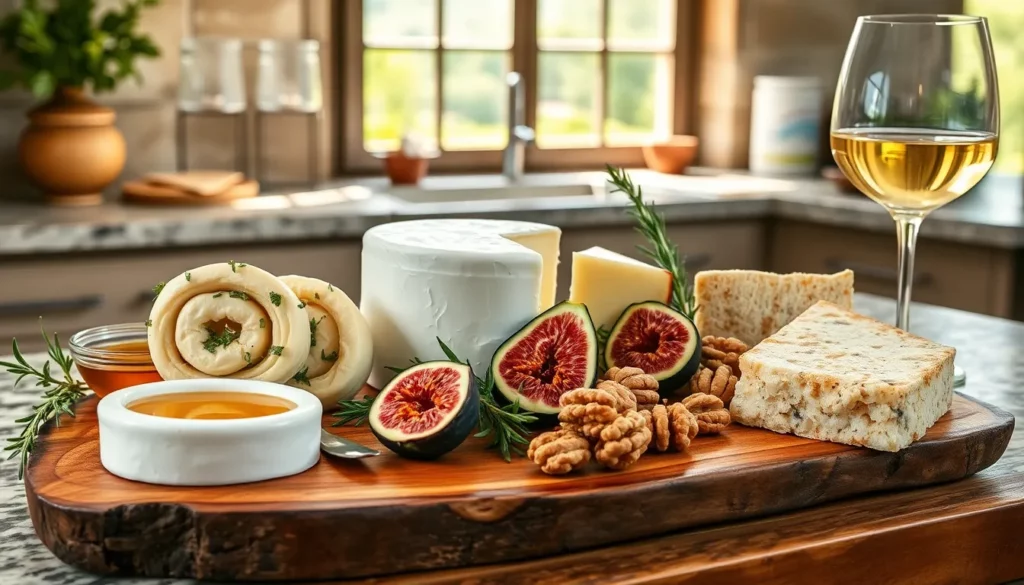
Italian goat cheese, known as capra or formaggio di capra, represents one of the oldest and most diverse cheese traditions in Italy. Rooted in the pastoral practices of ancient shepherds, capra is produced from the milk of goats raised on the rugged hillsides of regions such as Piedmont, Lombardy, Tuscany, and Sardinia. Unlike cow’s milk cheeses, capra offers a distinct tangy, earthy flavor profile that varies dramatically with age, diet, and production method. This guide delves into the history, classification, culinary applications, and authenticity markers of capra, providing a comprehensive resource for chefs, food writers, and enthusiasts.
What It Is
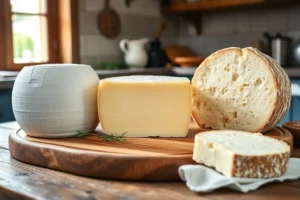
Capra is the Italian term for goat, but in culinary contexts it refers specifically to cheese made from goat’s milk. The production of capra follows traditional methods that have been refined over centuries. Fresh goat cheese is made by coagulating raw or pasteurized goat milk with rennet, then draining the curds to achieve a soft, spreadable texture. Aged varieties undergo a longer process of salting, pressing, and ripening, during which the cheese develops a firmer texture and more complex flavors.
The region of origin plays a crucial role in defining the character of capra. In Italy, several goat cheeses have earned DOP (Denominazione di Origine Protetta) status, a European Union certification that guarantees the cheese is produced according to strict traditional methods within a specific geographic area. Notable DOP goat cheeses include:

- Caprino di Val d’Aveto – from Liguria, a soft, fresh cheese with a delicate flavor.
- Robiola di Roccaverano – from Piedmont, a mixed milk cheese (goat, cow, sheep) with a creamy texture.
- Formaggio di Capra di Calabria – from Calabria, often aged and rubbed with local herbs.
- Caprino Ossolano – from the Ossola Valley in Piedmont, a semi-hard cheese with a nutty finish.
These DOP designations ensure that the cheese is made from milk of goats raised on local pastures, fed a natural diet, and processed using artisanal techniques. The result is a product that reflects the terroir of its origin.
Types & Grades
Capra is classified primarily by age, which directly influences texture, flavor, and culinary use. The table below outlines the main grades of Italian goat cheese:
| Grade | Aging Time | Texture | Flavor Profile | Common Uses |
|---|---|---|---|---|
| Fresh (Fresco) | 0–7 days | Soft, spreadable, moist | Mild, tangy, milky, slightly acidic | Spreads, salads, fresh pasta fillings, desserts |
| Semi-Aged (Stagionato) | 2–4 weeks | Semi-soft, crumbly | More pronounced tang, earthy, herbaceous | Table cheese, grating over pasta, melting in risotto |
| Aged (Vecchio) | 2–6 months | Firm, dense, sometimes granular | Nutty, savory, with hints of caramel and hay | Grating, shaving over salads, pairing with honey |
| Extra-Aged (Stravecchio) | 6+ months | Hard, brittle, crystalline | Intense, piquant, with notes of spice and dried fruit | Grating, cheese boards, long-cooked dishes |
Beyond age, capra can be categorized by milk source (pure goat vs. mixed milk), production method (pasteurized vs. raw milk), and added ingredients (herbs, ash, spices). Some artisanal producers also make capra affumicata (smoked goat cheese) using traditional smoking techniques.
How It’s Used in Cooking
Capra is incredibly versatile in Italian cuisine, appearing in dishes from antipasti to desserts. Its tangy brightness cuts through rich ingredients, making it a favorite among chefs.
Traditional Applications
- Antipasti: Fresh capra is often served simply with olive oil, black pepper, and fresh herbs, or paired with roasted vegetables, cured meats, and crusty bread.
- Pasta: Semi-aged capra is crumbled over pasta dishes like pasta alla capra (with tomato and goat cheese) or melted into creamy sauces for gnocchi and ravioli.
- Risotto: Fresh or semi-aged capra adds a creamy, tangy element to risotto, especially when combined with asparagus, mushrooms, or lemon.
- Salads: Aged capra is shaved or crumbled over salads with bitter greens, walnuts, and balsamic reduction.
- Pizza: Fresh capra is a classic topping for white pizzas, often paired with prosciutto, arugula, or caramelized onions.
- Desserts: Fresh capra is used in cheesecakes, tarts, and gelato, where its acidity balances sweetness.
“Il formaggio di capra è il latte della montagna trasformato in poesia.” – Traditional Italian saying (Goat cheese is the milk of the mountain transformed into poetry.)
In professional kitchens, capra is also employed in sauces, soufflés, and as a filling for stuffed vegetables. Its ability to melt smoothly without becoming stringy makes it ideal for fondue-style preparations.
How to Choose/Identify Authentic CAPRA
When purchasing capra, especially for commercial or high-end culinary use, authenticity is paramount. Follow these guidelines to ensure you are getting a genuine Italian goat cheese:
- Check for DOP or PGI labels: Look for the official EU logos on the packaging. DOP guarantees origin and traditional methods; PGI (Protected Geographical Indication) also indicates regional ties but with slightly more flexibility.
- Read the ingredient list: Authentic capra should list only goat milk, rennet, salt, and possibly starter cultures. Avoid products with added preservatives, artificial flavors, or non-goat milk unless it’s a mixed-milk cheese like Robiola.
- Examine the texture and rind: Fresh capra should be moist and creamy; aged capra should have a natural rind (often with mold or ash) that is edible. Waxy or plastic coatings are signs of mass production.
- Smell and taste: Authentic capra has a clean, tangy aroma without ammonia. The flavor should be complex, with a pleasant acidity and no bitterness.
- Source from reputable producers: Look for names like Caseificio dell’Alta Langa, Latteria di Chiuro, or Fattoria di Fèlsina. Many DOP consortia list certified producers on their websites.
- Ask about the animal diet: Goats that graze on diverse pastures produce milk with richer flavor. Authentic artisanal capra often comes from goats fed on hay, grass, and local forage.
For commercial buyers, building relationships with Italian importers or attending cheese fairs like Cheese in Bra (Piedmont) can provide access to authentic products.
Substitutes
While capra is unique, certain Italian cheeses can substitute in recipes when goat cheese is unavailable or when a different flavor profile is desired. The choice depends on the dish and the role of the cheese.
- Pecorino Romano (sheep’s milk): For aged, salty, and granular applications like grating over pasta. It lacks the tanginess of capra but adds a sharp, savory note.
- Ricotta di Capra (goat ricotta): A fresh, creamy substitute for fresh capra in spreads, fillings, and desserts. It is milder and less tangy.
- Mozzarella di Bufala (buffalo mozzarella): For fresh, milky applications in salads or on pizza. It is more elastic and less acidic than capra.
- Robiola (mixed milk): A Piedmontese cheese that often includes goat milk. It can replace semi-aged capra in risottos and sauces, offering a similar creamy texture.
- Caprino (generic goat cheese): If you need a pure goat cheese but not necessarily Italian, look for French chèvre or Spanish cabra. They will have similar tanginess but may differ in texture and aging.
When substituting, consider the fat content and moisture level. Fresh capra is high in moisture and low in fat; aged capra is lower in moisture and higher in fat. Adjust cooking times and liquid ratios accordingly.
Conclusion
Capra, Italian goat cheese, is a testament to Italy’s pastoral heritage and artisanal cheese-making prowess. From the fresh, creamy varieties of the Alps to the aged, piquant wheels of the south, capra offers a spectrum of flavors and textures that enhance both traditional and modern dishes. By understanding its production, grades, and authenticity markers, you can select the perfect capra for your culinary needs and appreciate the depth of this remarkable ingredient. Whether you are a chef, a food writer, or a passionate home cook, capra deserves a place in your kitchen.
FAQ
What is the difference between capra and caprino?
In Italian, 'capra' means goat, while 'caprino' is the common term for goat cheese. However, 'capra' is often used in culinary contexts to refer to the cheese itself, especially in formal or regional descriptions. Both terms can be used interchangeably, but 'caprino' is more specific to the cheese product.
Is all Italian goat cheese DOP certified?
No, only a few specific goat cheeses have DOP status, such as Caprino di Val d'Aveto and Robiola di Roccaverano. Many excellent artisanal goat cheeses are produced without DOP certification but still adhere to traditional methods. Always check the label for authenticity cues.
Can I use fresh capra in cooking without it curdling?
Fresh capra has high moisture and low melting point, so it can curdle if overheated. To avoid this, add it at the end of cooking over low heat, or incorporate it into sauces by stirring gently. For baked dishes, mix it with other cheeses to stabilize the texture.
Leave a Reply