
Short Answer
What Is Prugna? Italian Fruit Preserve Explained
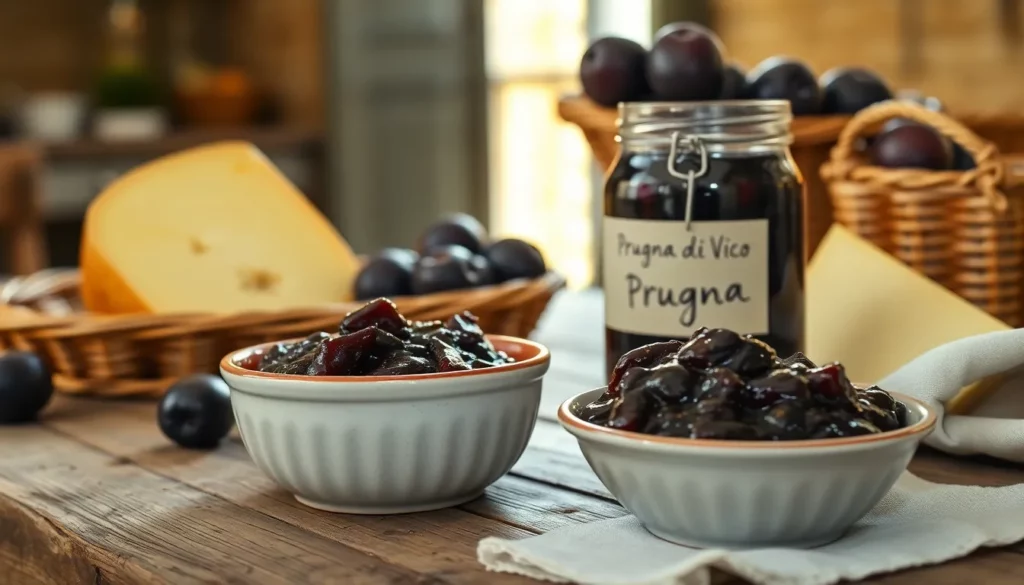
Prugna (pronounced PROO-nyah) is the Italian term for plum, but in culinary contexts it often refers to a traditional fruit preserve made from plums, sugar, and sometimes wine, spices, or citrus zest. This thick, jam-like preparation is a staple of Italian home cooking, particularly in the northern and central regions where plums are abundant. Unlike commercial jams, authentic Prugna is slow-cooked to concentrate flavor and may be left slightly chunky. It is used as a spread, a filling for pastries, or an accompaniment to cheeses and roasted meats.
Origin & History
The history of Prugna as a preserve dates back to ancient Roman times, when plums were dried or cooked with honey to extend their shelf life. The modern version emerged in the medieval period in the fertile plains of Emilia-Romagna and the hills of Tuscany, where plum orchards flourished. By the 16th century, sugar from trade routes made preserves more accessible, and Prugna became a household staple. Anecdotal records from the Este family in Ferrara mention plum preserves served at banquets. Unlike the French confiture, Italian Prugna often retains a natural tartness and may include a splash of red wine or grappa for complexity.
What’s In It
Core ingredients for Prugna include ripe plums (typically Italian prune plums or the local ‘Prugna di Vico’ variety), granulated sugar, and lemon juice. Some recipes add a cinnamon stick, cloves, or a vanilla bean. The plums are pitted, chopped, and cooked slowly with sugar until the mixture thickens. A key nuance is the use of ‘cotto’ (cooked) method versus ‘crudo’ (raw) maceration. Unlike similar French confiture, Italian Prugna is less sweet and often has a darker, more caramelized color due to longer cooking. It differs from ‘mostarda’ (fruit in mustard syrup) by lacking the pungent heat.

Regional Variations
Prugna varies significantly across Italy, reflecting local plum varieties and culinary traditions.
| Region | Plum Variety | Key Additions | Texture & Use |
|---|---|---|---|
| Emilia-Romagna | Prugna di Vico (small, dark purple) | Red wine, cinnamon, cloves | Thick, dark; served with Parmigiano-Reggiano or on crostini |
| Tuscany | Susina (yellow or red plums) | Lemon zest, star anise | Lighter, chunkier; used in schiacciata or with pecorino |
| Sicily | Prugna di Dro (large, sweet) | Almonds, orange blossom water | Syrupy; spooned over gelato or ricotta |
How It’s Traditionally Eaten
Prugna is versatile. It is served as a contorno (side) with aged cheeses like Parmigiano-Reggiano or Gorgonzola, or as a dolce (dessert) spooned over panna cotta or ice cream. In Emilia, it is a classic filling for crostata (jam tart) or torta fritta (fried dough). For breakfast, it is spread on bread or fette biscottate. During holidays, Prugna is often paired with roasted pork or game, balancing richness with acidity. It is an everyday preserve, but special batches made with wine are reserved for festive occasions.
Common Mistakes / What It’s Not
A frequent misconception is that Prugna is identical to American plum jam. In reality, Italian Prugna is less sweet, often contains wine or spices, and is cooked longer for a deeper flavor. It is not a jelly (no added pectin) nor a marmalade (no citrus peel). Another mistake is using overripe or underripe plums; the ideal balance of sweetness and acidity is crucial. Avoid adding too much sugar, which masks the fruit’s natural taste. Prugna is also not a syrup for cocktails, though it can be used in small amounts in savory glazes.
Where to Try It / What to Order
To taste authentic Prugna, visit Emilia-Romagna during the autumn plum harvest. Look for artisanal producers at markets in Modena or Bologna. In Tuscany, seek out ‘Prugna di Vico’ preserves in small shops in the Chianti region. For ordering, ask for ‘confettura di prugne’ or ‘marmellata di prugne’ (though technically not marmalade). Many agriturismi serve homemade Prugna with cheese boards. Online, specialty Italian food retailers like Gustiamo or Eataly offer imported versions. When in Rome, try it at ‘Roscioli’ with their aged pecorino.
Related Dishes
FAQ
What is Prugna in Italian cuisine?
Prugna is the Italian word for plum, but in culinary terms it often refers to a traditional fruit preserve made from plums, sugar, and sometimes wine or spices. It is used as a spread, pastry filling, or accompaniment to cheese and meats.
How is Prugna different from American plum jam?
Authentic Italian Prugna is less sweet, often includes red wine or spices, and is cooked longer for a deeper, caramelized flavor. It typically has a thicker, darker consistency and may be less smooth than commercial jams.
What are the best ways to eat Prugna?
Prugna is excellent with aged cheeses like Parmigiano-Reggiano or Gorgonzola, spread on crusty bread or crostini, used as a filling for crostata, or spooned over panna cotta, gelato, or roasted pork.
Can I make Prugna at home?
Yes. Use ripe Italian prune plums, sugar, lemon juice, and optional wine or spices. Cook slowly until thickened, then jar. The process is similar to making jam but with a longer cooking time for concentration.
Where can I buy authentic Prugna?
Look for artisanal producers in Emilia-Romagna and Tuscany, at farmers' markets, or online from specialty Italian food retailers like Gustiamo, Eataly, or Buon'Italia.
Leave a Reply