
Short Answer
What It Is
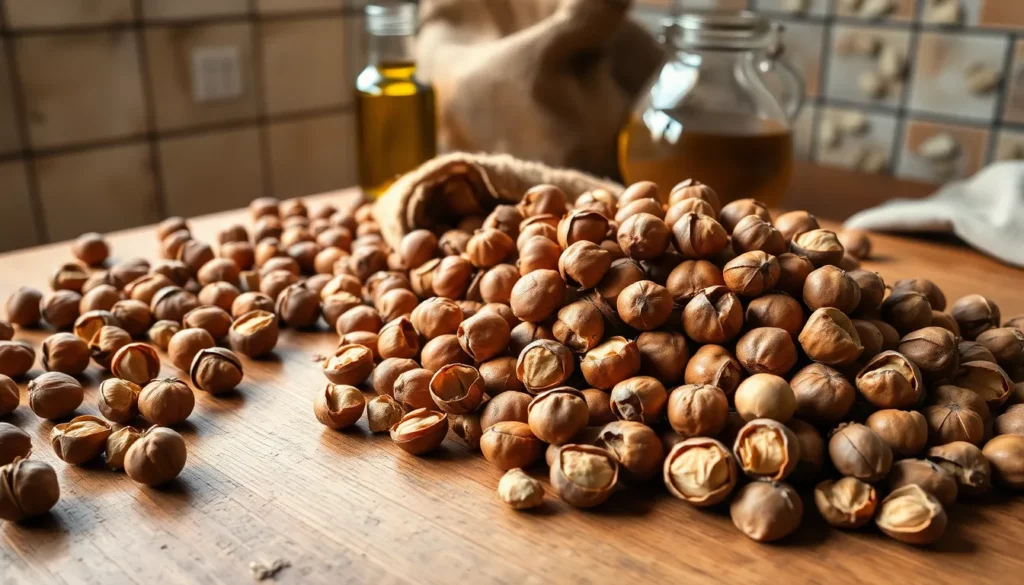
Nociole (singular: nocciola) is the Italian word for hazelnuts, but in culinary and commercial contexts it refers specifically to the high-quality, often certified hazelnuts produced in Italy. The term encompasses several native varieties, most notably the Tonda Gentile delle Langhe from Piedmont, the Tonda di Giffoni from Campania, and the Tonda Gentile Romana from Lazio. These nuts are celebrated for their round shape, thin shells, and rich, sweet flavor with a distinct buttery undertone.
Italy is the world’s second-largest producer of hazelnuts, after Turkey, but Italian nociole are prized for their superior organoleptic qualities. The production method is deeply rooted in tradition: hazelnut orchards (noccioleti) are often grown on hillsides with well-drained, volcanic or calcareous soils. Harvesting occurs from late August to October, depending on the variety and altitude. Nuts are typically hand-picked or mechanically shaken from the trees, then dried naturally or in low-temperature driers to reduce moisture content to around 6% before storage.
Two main protected designations exist for Italian nociole:

- Nocciola Piemonte IGP (Indicazione Geografica Protetta) – covers the Tonda Gentile delle Langhe variety grown in the Piedmont region. The IGP status, granted in 1993, ensures that at least 90% of the nuts come from the designated area and meet strict quality standards.
- Nocciola di Giffoni IGP – produced in the province of Salerno, Campania, from the Tonda di Giffoni variety. This IGP was recognized in 2009 and is known for its particularly sweet, aromatic profile.
While no DOP (Denominazione di Origine Protetta) currently exists for hazelnuts, the IGP certifications provide a robust guarantee of origin and quality. The Italian Ministry of Agricultural Policies oversees these designations, and producers must adhere to rigorous production protocols.
Types & Grades
Italian nociole are classified by variety, size, and quality grade. The most important commercial varieties are:
| Variety | Region | Characteristics | Primary Use |
|---|---|---|---|
| Tonda Gentile delle Langhe | Piedmont | Round, medium size; thin shell; sweet, buttery flavor with low bitterness | Gianduia, premium confectionery, whole roasted nuts |
| Tonda di Giffoni | Campania | Round, slightly larger; very sweet, aromatic; high oil content | Pastry, ice cream, nut oils |
| Tonda Gentile Romana | Lazio | Round, medium; balanced flavor; good for both raw and roasted applications | Snacking, baking, pesto |
| Nocciola di Sicilia | Sicily | Smaller, more elongated; intense flavor; often used in granita and traditional sweets | Confectionery, local desserts |
Grades are determined by size (caliber) and defect tolerance. The European Union standard for hazelnuts in shell uses a grading system from Extra (largest, virtually defect-free) to Standard. For shelled kernels, grades include:
- Extra No. 1 – whole kernels, uniform size, no defects
- Standard – whole kernels with minor blemishes
- Pieces – broken kernels, used for pastes and flours
- Fines – small fragments, often used in industrial applications
Aging also plays a role: fresh nociole (within a few months of harvest) have a moist, tender texture, while aged nuts (6–12 months) develop a more concentrated flavor and are preferred for roasting and grinding into flour.
How It’s Used in Cooking
Nociole are a fundamental ingredient in many traditional Italian dishes, from the iconic gianduia of Turin to the rustic pesto di nocciole of Liguria. Their versatility stems from the nut’s ability to be used raw, roasted, ground, or pressed into oil.
Classic Preparations
- Gianduia – A smooth chocolate-hazelnut paste invented in Turin in the 19th century. The Tonda Gentile delle Langhe is the preferred variety for its sweet, low-bitter profile. Gianduia is used in pralines, spreads, and gelato.
- Pesto di Nocciole – A Ligurian variation of pesto that replaces pine nuts with toasted nociole. It pairs excellently with trofie pasta and green beans.
- Torrone – Italian nougat made with honey, egg whites, and whole or chopped hazelnuts. The nuts are often lightly toasted to enhance their aroma.
- Biscotti di Nocciole – Crunchy twice-baked cookies from Piedmont, perfect for dipping in Vin Santo.
- Nocciola Gelato – A classic Italian ice cream flavor made from a base of milk, sugar, and hazelnut paste. The best versions use IGP-certified nuts.
Savory Applications
Nociole also shine in savory dishes. Crushed hazelnuts are used to crust meats like rabbit or pork, and they add texture to salads with radicchio and Gorgonzola. In Piedmont, a traditional salsa di nocciole accompanies bollito misto. Hazelnut oil, cold-pressed from roasted nuts, is drizzled over grilled vegetables or used in vinaigrettes.
“The hazelnut is the soul of Piedmontese pastry. Without the Tonda Gentile, gianduia would be just another chocolate spread.” – Maestro Pasticcere Giovanni Rana (paraphrased)
How to Choose/Identify Authentic NOCIOLE
For chefs, buyers, and home cooks seeking genuine Italian nociole, several cues guarantee authenticity and quality:
- Look for the IGP seal – On packaging, the Nocciola Piemonte IGP or Nocciola di Giffoni IGP logo ensures origin and adherence to production standards. The seal includes a unique lot number for traceability.
- Check the variety name – Authentic Italian nociole will specify the variety (e.g., Tonda Gentile delle Langhe). Generic “hazelnuts” may be Turkish or other origins.
- Examine the shape and size – True Tonda Gentile nuts are almost perfectly round, with a thin, smooth shell. Elongated or irregular shapes suggest different varieties or lower quality.
- Smell and taste – Fresh nociole have a sweet, nutty aroma with no rancidity. When roasted, they should release a buttery scent without bitterness. A stale or oily smell indicates poor storage.
- Packaging details – Reputable producers list the harvest year, net weight, and storage instructions. Vacuum-sealed or nitrogen-flushed packaging preserves freshness.
- Certifications – Beyond IGP, look for organic (EU organic leaf) or other quality marks. The Consorzio di Tutela della Nocciola Piemonte IGP provides a list of authorized producers.
For bulk purchases, request a certificate of analysis showing moisture content (ideally 4–6%), free fatty acid value, and aflatoxin levels (must be below EU limits).
Substitutes
While no substitute perfectly replicates the unique flavor and texture of Italian nociole, several Italian alternatives can be used in specific contexts:
- Almonds (Mandorle) – Particularly the sweet varieties from Sicily (e.g., Mandorla di Avola). They are a common substitute in pesto and pastry, though they lack the buttery richness of hazelnuts. Use blanched almonds for a milder flavor.
- Pine Nuts (Pinoli) – In pesto alla genovese, pine nuts are traditional, but nociole are sometimes used as a regional variation. Pine nuts are more resinous and less sweet.
- Walnuts (Noci) – From the same family (Juglandaceae), walnuts offer a more astringent, earthy flavor. They work well in savory dishes like pasta with walnut sauce (salsa di noci) but are not ideal for gianduia.
- Pistachios (Pistacchi) – Especially the bright green Sicilian variety from Bronte. They provide a distinct color and flavor, often used in pastries and gelato as an alternative to hazelnut.
When substituting, consider the fat content and moisture: nociole have a high oil content (around 60%), so adjustments may be needed in recipes. For gianduia, only Tonda Gentile hazelnuts yield the correct texture and sweetness; other nuts will produce a different result.
Conclusion
Nociole are far more than a simple nut; they are a symbol of Italian agricultural excellence and culinary tradition. From the rolling hills of Piedmont to the sun-drenched groves of Campania, these hazelnuts carry the flavor of their terroir. Whether you are crafting a silky gianduia, a rustic pesto, or a delicate gelato, choosing authentic, IGP-certified nociole ensures the highest quality and a true taste of Italy. Understanding the varieties, grades, and authenticity markers empowers chefs and home cooks to make informed decisions and elevate their dishes with this quintessential ingredient.
FAQ
What is the difference between Nociole and regular hazelnuts?
Nociole specifically refers to Italian hazelnuts, often from protected varieties like Tonda Gentile delle Langhe or Tonda di Giffoni. They are prized for their round shape, thin shells, sweet buttery flavor, and low bitterness. Regular hazelnuts, often from Turkey or the US, may have a more elongated shape, thicker shells, and a less refined taste. Italian nociole are typically IGP-certified, ensuring origin and quality.
How should I store Nociole to maintain freshness?
Store nociole in a cool, dry place away from sunlight, ideally in an airtight container. For short-term use (up to 3 months), a pantry is fine. For longer storage, keep them in the refrigerator (up to 6 months) or freezer (up to 1 year). Vacuum-sealed or nitrogen-flushed packaging extends shelf life. Always check for rancidity by smelling before use.
Can I substitute other hazelnuts for Nociole in recipes?
Yes, but the result will differ. For recipes like gianduia or premium pastries, only Tonda Gentile hazelnuts provide the correct sweetness and texture. For pesto or baking, other hazelnuts can be used, but you may need to adjust roasting time and fat content. Turkish hazelnuts are a common alternative, though they are less sweet and more bitter. Always taste before substituting.
Leave a Reply