
Short Answer
What It Is
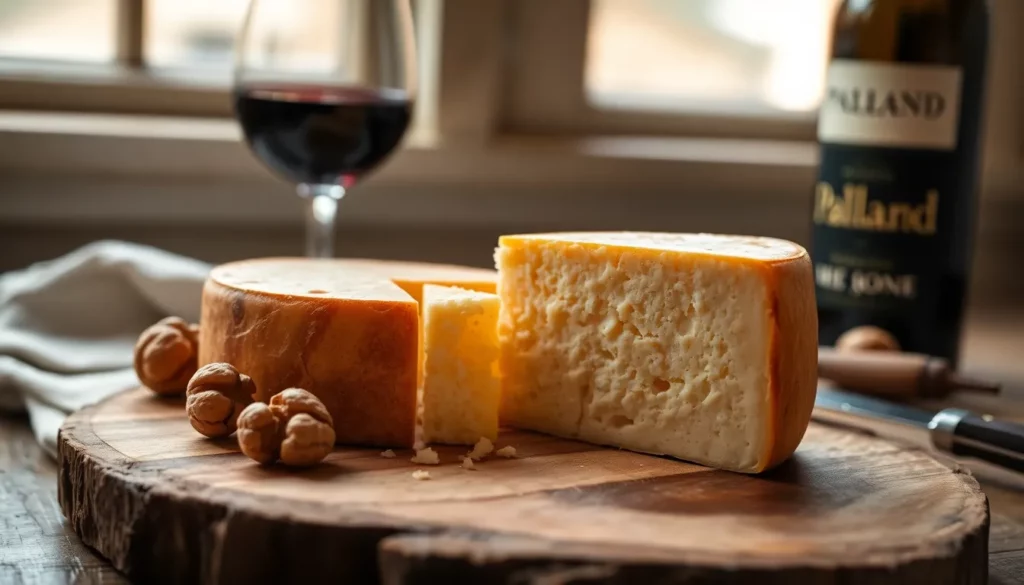
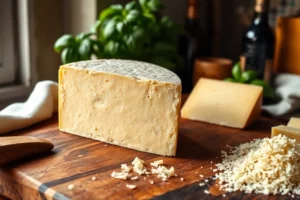
Pallard is a traditional Italian cheese produced exclusively in the Veneto region, particularly in the provinces of Treviso, Vicenza, and Padua. It is a cooked, pressed, and slowly aged cheese made from raw cow’s milk, following methods that date back to the 12th century. The cheese is protected under the Denominazione di Origine Protetta (DOP) status, granted by the European Union in 1996, which ensures that every wheel of Pallard is made according to strict production standards within the defined geographical area.
The production process begins with the milking of local breeds such as the Razza Burlina and Frisona. The milk is heated in copper vats, curdled with calf rennet, and the curd is broken into fine granules. After cooking, the curd is pressed into large wheels, salted in brine for several weeks, and then aged on wooden shelves in temperature-controlled cellars. The aging period ranges from a minimum of 12 months to over 36 months for the most mature varieties.
“Pallard is the soul of the Veneto countryside—a cheese that speaks of green pastures, patient craftsmanship, and centuries of tradition.” — Giovanni Rinaldi, Master Cheesemaker
The DOP consortium oversees every step, from the feed of the cows to the final grading of the cheese. Pallard is often compared to Grana Padano, but it has a distinctively more pronounced nuttiness and a slightly softer, more crumbly texture when young.

Types & Grades
Pallard is classified by aging time, which directly influences its texture, flavor, and culinary applications. The three official grades are recognized by the DOP consortium:
| Grade | Aging Period | Texture | Flavor Profile | Best Uses |
|---|---|---|---|---|
| Pallard Giovane | 12–18 months | Firm, slightly elastic, with small granules | Mild, milky, with hints of fresh hay and butter | Table cheese, salads, light grating over pasta |
| Pallard Vecchio | 18–30 months | Hard, granular, breaks into flakes | Nutty, savory, with notes of toasted hazelnut and caramel | Grating over risotto, pasta, and soups; eating in chunks |
| Pallard Stravecchio | 30–36+ months | Very hard, crystalline, almost brittle | Intense, umami-rich, with spicy and fruity undertones | Grating over dishes, shaving onto salads, pairing with balsamic vinegar |
Within these grades, there are also limited-production variants such as Pallard di Malga (made from summer pasture milk) and Pallard Bio (organic certification). These are not official DOP subcategories but are recognized by connoisseurs for their unique terroir expression.
How It’s Used in Cooking
Pallard is a versatile cheese that plays a central role in Veneto cuisine. Its granular structure makes it ideal for grating, while its complex flavor enhances both simple and elaborate dishes.
Traditional Applications
- Risotto all’Amarone: Pallard Vecchio is grated into the risotto at the end of cooking, adding depth and creaminess without overwhelming the wine’s fruitiness.
- Bigoli in Salsa: A classic pasta from Vicenza, where Pallard is grated over whole-wheat spaghetti with anchovies and onions.
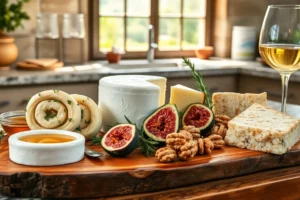
- Pallard e Pere: A simple antipasto of thin slices of Pallard Stravecchio paired with ripe pears and a drizzle of acacia honey.
- Minestrone alla Veneta: A hearty vegetable soup finished with a generous grating of Pallard Giovane.
- Polenta e Pallard: Soft polenta topped with melted Pallard Vecchio and a sprinkle of black pepper.
In professional kitchens, Pallard is often used as a finishing cheese for dishes that require a burst of umami. It can also be melted into fonduta (a fondue-like preparation) or shaved over carpaccio. The cheese’s crystalline structure holds up well under a broiler, making it excellent for gratinées.
How to Choose/Identify Authentic PALLIARD
When purchasing Pallard, look for the following authenticity cues to ensure you are getting a genuine DOP product:
- DOP Seal: Every wheel of authentic Pallard bears a fire-branded or embossed DOP logo on the rind, along with the consortium’s identification number.
- Rind Color: The natural rind is straw-yellow to golden brown, with no wax or plastic coating. Some producers may apply a thin layer of olive oil to prevent cracking.
- Texture: The paste should be compact but granular, with small, evenly distributed eyes. Overly smooth or rubbery textures indicate a non-traditional process.
- Aroma: Fresh Pallard smells of milk and butter; aged Pallard develops a complex, nutty, and slightly fruity aroma. Avoid any cheese with ammonia or sour notes.
- Price: Authentic Pallard is priced higher than generic grana-style cheeses due to the strict production limits. If the price seems too low, it is likely a counterfeit or a non-DOP imitation.
- Labeling: Check for the words “Pallard DOP” and the producer’s name and address. Imported wheels should have a EU health mark.
For commercial buyers, it is advisable to purchase directly from consortium-approved distributors or from reputable Italian cheese importers. The consortium website provides a list of certified producers.
Substitutes
If Pallard is unavailable, several Italian cheeses can serve as substitutes, depending on the intended use:
- Grana Padano DOP: The closest substitute, with a similar granular texture and nutty flavor. It is slightly milder and less crumbly than Pallard Vecchio. Use in equal amounts for grating or eating.
- Parmigiano-Reggiano DOP: More intense and crystalline, especially when aged. It works well as a substitute for Pallard Stravecchio, though it is saltier and more umami-forward.
- Piave DOP: A cow’s milk cheese from the Veneto region, with a firm texture and sweet, fruity notes. Piave Vecchio (aged 12+ months) can replace Pallard Giovane in salads and light dishes.
- Montasio DOP: A semi-hard cheese from Friuli-Venezia Giulia, with a milder flavor. It is best used in cooking where the cheese will be melted, such as in polenta or fonduta.
For vegan or dairy-free alternatives, nutritional yeast flakes can mimic the savory, cheesy flavor of grated Pallard, but they lack the texture and meltability.
Note: Substitutes will alter the final dish’s flavor profile. For authentic Veneto recipes, Pallard is irreplaceable.
In conclusion, Pallard is a cornerstone of Veneto’s gastronomic heritage, offering a unique combination of granular texture, nutty depth, and DOP-guaranteed quality. Whether grated over risotto, shaved onto salads, or enjoyed in chunks with fruit, this cheese rewards those who seek authenticity. By understanding its grades, production methods, and authenticity markers, you can confidently select and use Pallard in your kitchen.
FAQ
What is Pallard cheese?
Pallard is a DOP-protected Italian cheese from the Veneto region, made from raw cow's milk and aged for 12 to 36+ months. It has a granular texture and a nutty, savory flavor.
How is Pallard different from Parmigiano-Reggiano?
Pallard is produced in Veneto, while Parmigiano-Reggiano comes from Emilia-Romagna. Pallard has a slightly softer, more crumbly texture when young and a milder, buttery flavor compared to the more intense, crystalline Parmigiano-Reggiano.
Can I use Pallard in cooking?
Yes, Pallard is excellent for grating over pasta, risotto, and soups, as well as for melting in fonduta or gratinées. It also pairs well with fruit and honey as a table cheese.
Leave a Reply