
Short Answer
What It Is
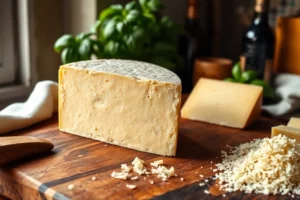
Passatelli (singular: passatello) is a traditional pasta from the Emilia-Romagna region of northern Italy, particularly associated with the provinces of Bologna, Ferrara, Modena, Parma, Piacenza, Ravenna, and Reggio Emilia. Unlike most pastas made from durum wheat semolina, passatelli is crafted from a mixture of stale breadcrumbs, eggs, grated Parmigiano-Reggiano cheese, nutmeg, and lemon zest. The dough is pressed through a special tool called a passatelli iron (or ferro per passatelli), which resembles a potato ricer with large holes, producing short, thick, worm-like strands. These are then cooked in boiling broth and served as a soup, often with a sprinkle of additional cheese.
Passatelli is not a DOP (Denominazione di Origine Protetta) product, but it is recognized as a Prodotto Agroalimentare Tradizionale (PAT) by the Italian Ministry of Agricultural Policies, confirming its deep roots in local culinary heritage. The earliest written references date to the 16th century, with Bartolomeo Scappi, a Renaissance chef, describing a similar preparation. The name derives from the Italian verb passare (to press), referring to the pressing action used to shape the pasta.
“Passatelli are the quintessential comfort food of Emilia-Romagna, embodying the region’s philosophy of transforming humble ingredients into sublime dishes.” – Italian Culinary Institute for Foreigners (ICIF)
Types & Grades
While passatelli is a single product, variations exist based on ingredient ratios, aging of cheese, and regional preferences. The table below outlines the main types:

| Type | Characteristics | Region |
|---|---|---|
| Classic Passatelli | Equal parts breadcrumbs and grated Parmigiano-Reggiano (aged 24+ months), eggs, nutmeg, lemon zest. Strands are about 2–3 cm long. | Throughout Emilia-Romagna |
| Passatelli di Parma | Higher proportion of Parmigiano-Reggiano (up to 60%), sometimes with a touch of butter. Richer flavor. | Parma province |
| Passatelli di Ferrara | Often includes a pinch of cinnamon or cloves in addition to nutmeg. Slightly sweeter aroma. | Ferrara province |
| Passatelli in Brodo (soup) | Not a separate type, but the most common preparation. The broth is typically beef or chicken, sometimes with marrow. | All regions |
There are no official aging grades for passatelli itself, but the quality of the Parmigiano-Reggiano used directly affects the final product. Artisanal producers often use cheese aged 30–36 months for a more intense umami.
How It’s Used in Cooking
Passatelli is almost exclusively served in broth (in brodo), making it a classic winter soup. The strands are delicate and absorb the broth’s flavor while retaining a tender, slightly chewy texture. Traditional pairings include:
- Brodo di carne – Beef or chicken broth, often enriched with marrow bones or a cappelletti broth base.
- Brodo di pesce – A lighter fish broth, less common but found in coastal areas of Romagna.
- Passatelli with truffle – A modern twist where shaved white truffle (Tuber magnatum) is added just before serving.
In some households, passatelli is also baked in a gratin (passatelli al forno) with béchamel and cheese, or pan-fried as a side dish. However, the traditional and most respected use remains in broth.
Signature Dish: Passatelli in Brodo
To prepare, bring a well-seasoned broth to a gentle boil. Drop the passatelli directly into the broth; they cook in 2–3 minutes, rising to the surface when done. Serve immediately with a dusting of Parmigiano-Reggiano and a grind of black pepper. The broth should be clear and flavorful, never cloudy.
How to Choose/Identify Authentic PASSATELLI
When purchasing passatelli, whether fresh or dried, look for these authenticity cues:
- Ingredient list: Authentic passatelli contains only breadcrumbs (from stale bread, not industrial breadcrumbs), eggs, Parmigiano-Reggiano (or Grana Padano as a cheaper alternative), nutmeg, and lemon zest. No artificial flavors, preservatives, or colorings.
- Texture: Fresh passatelli should be slightly moist and pliable, not dry or crumbly. Dried passatelli should have a uniform, pale yellow color.
- Shape: Strands are short (2–4 cm) and cylindrical, with a rough surface from the pressing tool. Uniform, smooth strands may indicate machine extrusion rather than traditional pressing.
- Packaging: Look for the PAT (Prodotto Agroalimentare Tradizionale) logo or a statement of origin from Emilia-Romagna. Some producers also carry the “Prodotti di Qualità” mark.
- Price: Authentic passatelli with high-quality Parmigiano-Reggiano will be more expensive than generic versions. Expect to pay €8–15 per 500g for artisanal fresh passatelli.
For commercial buyers, sourcing from small producers in Emilia-Romagna (e.g., pastifici in Bologna or Modena) ensures authenticity. Avoid products labeled simply “egg pasta” without specific mention of breadcrumbs and cheese.
Substitutes
If passatelli is unavailable, these Italian substitutes can be used in similar preparations:
- Maltagliati – Irregularly shaped fresh egg pasta scraps, often served in broth. They lack the breadcrumb-cheese flavor but provide a similar rustic texture.
- Strozzapreti – Hand-rolled pasta from Emilia-Romagna and Tuscany, made with flour and water or eggs. Chewier than passatelli, but works well in brodo.
- Quadrettini – Small square pasta sheets, typically used in broths. They are lighter and do not have the same richness.
- Gnocchi di pane – Bread-based gnocchi from Friuli-Venezia Giulia, made with breadcrumbs, eggs, and cheese, similar in concept but shaped into dumplings. They can be boiled in broth as a close substitute.
None of these replicate the exact flavor of passatelli, but they honor the Italian tradition of using leftover bread in pasta.
Conclusion
Passatelli is a unique and cherished pasta that exemplifies the resourcefulness and culinary artistry of Emilia-Romagna. Its simple ingredients—breadcrumbs, eggs, cheese, and aromatics—transform into a dish of remarkable depth and comfort. Whether enjoyed in a steaming bowl of broth or as a gratin, authentic passatelli offers a taste of Italian heritage. When selecting passatelli, prioritize traditional ingredients and artisanal production to experience the true essence of this regional specialty.
FAQ
What is passatelli made of?
Passatelli is made from stale breadcrumbs, eggs, grated Parmigiano-Reggiano cheese, nutmeg, and lemon zest. The dough is pressed through a special tool to form short, thick strands.
Is passatelli gluten-free?
No, passatelli contains breadcrumbs made from wheat bread, so it is not gluten-free. However, gluten-free versions using alternative breadcrumbs (e.g., rice flour) exist but are not traditional.
Can I make passatelli without a passatelli iron?
Yes, you can use a potato ricer with large holes or a food mill with a coarse disc. Alternatively, you can roll the dough into thin ropes and cut into short pieces, though the texture will differ slightly.
What broth is best for passatelli?
Traditional recipes use beef or chicken broth, often enriched with marrow bones. A vegetable broth can be used for a lighter version, but the richness of meat broth complements the pasta's flavor best.
Leave a Reply