
Short Answer
What It Is
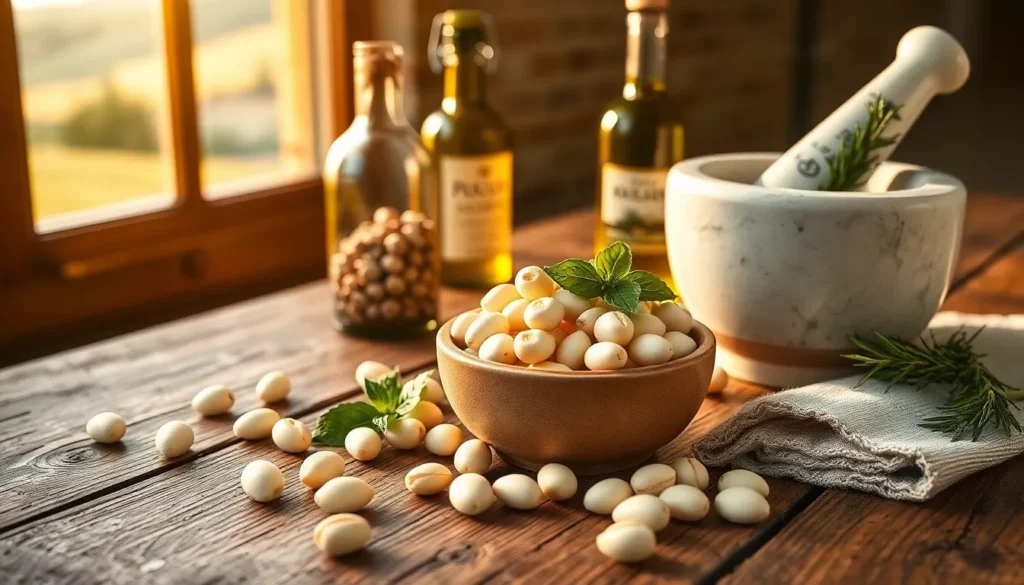
Pinoli (singular: pinolo) are the edible seeds extracted from the cones of the stone pine (Pinus pinea), a tree native to the Mediterranean basin. These ivory-coloured, teardrop-shaped nuts have been harvested since Roman times and are a cornerstone of Italian cuisine. True Italian pinoli are produced primarily in Tuscany, Liguria, and Campania, with the PGI (Protected Geographical Indication) “Pinoli di Pisa” being the most recognized certification. The production process is labor-intensive: cones are collected from mature trees, sun-dried for weeks to open their scales, and then the seeds are manually extracted, shelled, and sorted. This artisanal method contributes to their delicate, buttery flavour and high price. Unlike many other nuts, pinoli are not aged; they are consumed fresh or lightly toasted to enhance their aroma.
Types & Grades
Italian pinoli are classified by origin, size, and processing method. The table below outlines the main grades and their characteristics.
| Grade / Type | Origin | Size | Flavour Profile | Typical Use |
|---|---|---|---|---|
| Pinoli di Pisa PGI | Tuscany (Pisa province) | Medium (8–10 mm) | Sweet, resinous, with a hint of pine | Pesto, salads, baking |
| Pinoli Italiani (generic) | Various Italian regions | Small to medium (6–9 mm) | Mild, buttery, slightly sweet | Pesto, sauces, desserts |
| Pinoli Cinesi (Chinese pine nuts) | China (often Pinus armandii) | Large (10–14 mm) | Bland, sometimes metallic aftertaste | Inexpensive substitute, not recommended for pesto |
| Pinoli Tostati (toasted) | Any origin | Varies | Nutty, toasted, more intense | Garnish, salads, pasta |
| Pinoli Crudi (raw) | Any origin | Varies | Delicate, creamy, mild | Pesto, raw applications |
Within the PGI category, further grading is based on uniformity of size and absence of defects. Professional kitchens often specify “Pinoli di Pisa” for authentic pesto alla genovese, while other grades are acceptable for baking or garnishing.

How It’s Used in Cooking
Pinoli are prized for their ability to add a subtle nutty richness without overpowering other ingredients. Their primary traditional application is in pesto alla genovese, where they are pounded with basil, garlic, Parmigiano-Reggiano, and olive oil. The nuts provide body and a creamy texture that emulsifies the sauce. Beyond pesto, pinoli appear in numerous Italian dishes:
- Pasta – Tossed with spaghetti, olive oil, garlic, and parsley for a simple aglio e olio variation, or added to pasta con le sarde (Sicilian sardine pasta).
- Salads – Lightly toasted and sprinkled over arugula, shaved Parmesan, and lemon vinaigrette.
- Baking – Incorporated into biscotti, torta della nonna, and panforte (Sienese fruitcake).
- Vegetables – Stuffed into artichokes or used in caponata (Sicilian sweet-and-sour eggplant).
- Meat & Fish – Crusted onto lamb chops or used in stuffing for roasted poultry.
- Desserts – Ground into pinolata (a type of nougat) or sprinkled over gelato.
“Il pinolo è l’anima del pesto: senza di esso, la salsa perde la sua anima.” – Traditional Ligurian saying (The pine nut is the soul of pesto: without it, the sauce loses its soul.)
Toasting pinoli briefly in a dry pan over medium heat releases their essential oils and deepens their flavour, but care must be taken as they burn quickly due to their high fat content.
How to Choose/Identify Authentic Pinoli
For commercial buyers and home cooks alike, authenticity is paramount. Follow these guidelines to ensure you are purchasing genuine Italian pinoli:
- Check the label – Look for “Pinoli di Pisa PGI” or “Prodotto in Italia” (Product of Italy). Avoid vague terms like “Product of the EU” or “Packaged in Italy”.
- Examine the appearance – Authentic Italian pinoli are uniformly pale ivory, teardrop-shaped, and about 8–10 mm long. Chinese pine nuts are larger, more elongated, and often have a darker tip.
- Smell and taste – Italian pinoli have a sweet, resinous aroma reminiscent of pine forest. A metallic or bitter aftertaste indicates inferior quality or rancidity.
- Price – Genuine Italian pinoli are expensive (€40–€60 per kg). If the price seems too good to be true, it likely is.
- Certification – The PGI logo (a yellow and blue circle with “PGI” and the product name) guarantees origin and quality standards.
- Storage – Pinoli are high in unsaturated fats and prone to rancidity. Buy in small quantities and store in an airtight container in the refrigerator or freezer.
For professional kitchens, sourcing directly from Italian cooperatives or certified importers ensures traceability and consistent quality.
Substitutes
When authentic Italian pinoli are unavailable or cost-prohibitive, several Italian-approved substitutes can be used, though each alters the final dish:
- Almonds (mandorle) – Blanched and slivered almonds offer a similar crunch and mild sweetness. They are the most common substitute in pesto, especially in southern Italy where almonds are abundant.
- Cashews (anacardi) – Their creamy texture and neutral flavour mimic the richness of pinoli, making them a good alternative for pesto and sauces.
- Walnuts (noci) – More assertive and slightly bitter, walnuts work well in pasta dishes and baked goods but will dominate delicate sauces.
- Pistachios (pistacchi) – Especially from Bronte (Sicily), they add a vibrant green colour and a distinct flavour, suitable for pesto variations and desserts.
- Hazelnuts (nocciole) – Toasted hazelnuts bring a sweet, earthy note, often used in Piedmontese cuisine.
Each substitute should be used in equal quantity by weight, but note that the final dish will lack the unique piney aroma of true pinoli. For traditional pesto alla genovese, no substitute is considered authentic.
Conclusion
Pinoli are far more than a simple nut; they are a testament to Italy’s dedication to terroir and artisanal production. From the sun-drenched pine forests of Tuscany to the kitchens of Liguria, these delicate seeds carry centuries of culinary tradition. Understanding their grades, authentic markers, and proper uses allows chefs and home cooks alike to honour that heritage. Whether you are crafting a perfect pesto or adding a subtle crunch to a salad, choosing genuine Italian pinoli elevates the dish from ordinary to extraordinary.
FAQ
What is the difference between Italian pinoli and Chinese pine nuts?
Italian pinoli (from Pinus pinea) are smaller, pale ivory, and have a sweet, resinous flavour. Chinese pine nuts (often from Pinus armandii) are larger, more elongated, and can cause a metallic aftertaste known as 'pine mouth'. Italian pinoli are preferred for authentic recipes like pesto.
Why are Italian pinoli so expensive?
The high cost is due to the labor-intensive harvesting process: cones must be collected by hand, sun-dried for weeks, and the seeds extracted manually. Additionally, stone pines take 15–20 years to produce cones, and yields are low. The PGI certification also adds value through quality control.
How should I store pinoli to keep them fresh?
Store pinoli in an airtight container in the refrigerator for up to 6 months or in the freezer for up to a year. Because of their high unsaturated fat content, they can turn rancid quickly at room temperature. Always smell them before use; a rancid odour indicates spoilage.
Can I use pinoli in a nut-free diet?
No, pinoli are tree nuts and are not suitable for a nut-free diet. People with tree nut allergies should avoid them. However, some individuals with other nut allergies may tolerate pinoli, but medical advice is recommended.
Leave a Reply