
Short Answer
What Is Arancia? Italian Dessert Explained
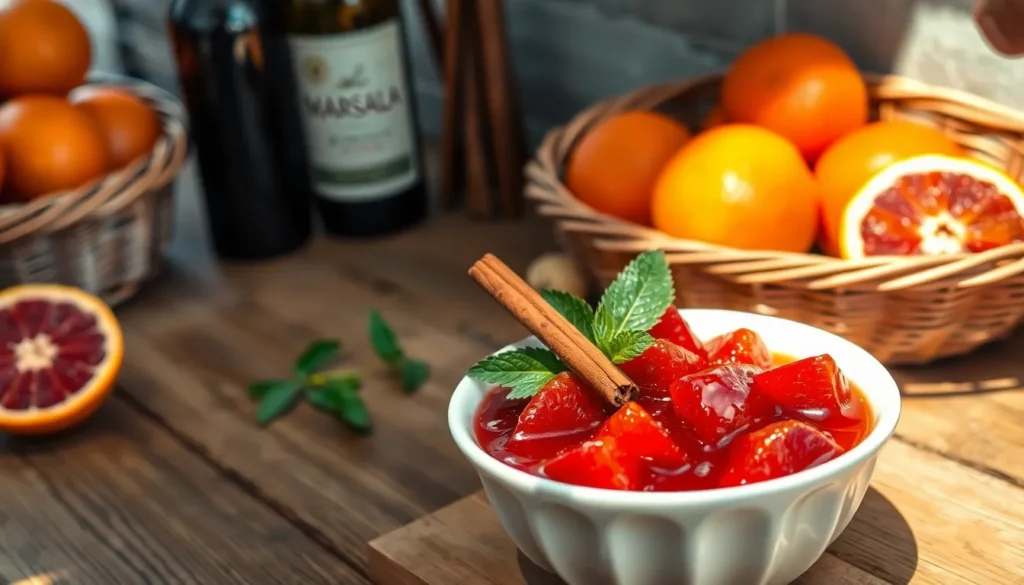
Arancia (pronounced ah-RAHN-chah) is a traditional Italian dessert originating from Sicily, consisting of fresh orange segments—typically from the island’s renowned blood oranges—lightly sweetened with sugar and often flavored with cinnamon, lemon zest, or a splash of liqueur such as limoncello or Marsala. Unlike heavier baked sweets, Arancia is a refreshing, uncooked dish that highlights the natural acidity and sweetness of the fruit. It is served chilled as a light finale to a meal, especially during the winter citrus harvest. The name itself means “orange” in Italian, directly referencing its star ingredient.
Origin & History
The roots of Arancia lie deep in Sicily’s agricultural and culinary heritage. Citrus fruits were introduced to the island by Arab traders between the 9th and 11th centuries, and by the late Middle Ages, Sicily had become Europe’s primary source of oranges, particularly the prized blood orange (arancia rossa). The dessert likely emerged in the 18th or 19th century among Sicilian nobility as a way to showcase the quality of local produce. Unlike the myth that Arancia was a peasant dish, historical cookbooks from Palermo and Catania describe it as a refined dolce al cucchiaio (spoon dessert) served in aristocratic homes. The simplicity of the recipe—just oranges, sugar, and a touch of spice—reflects the Baroque-era preference for highlighting single ingredients rather than complex preparations. Today, Arancia remains a symbol of Sicilian pride, often prepared during the Carnevale season when blood oranges are at their peak.
What’s In It
The core ingredients of Arancia are few but must be of the highest quality:
- Blood oranges (varieties: Tarocco, Moro, or Sanguinello) – prized for their deep red flesh and sweet-tart flavor.
- Granulated sugar – to macerate the oranges and draw out their juices.
- Lemon juice or zest – to balance sweetness and add brightness.
- Cinnamon stick or ground cinnamon – a warm aromatic note.
- Optional liqueur – limoncello, Marsala, or orange liqueur (e.g., Cointreau) for complexity.
Preparation is straightforward: oranges are peeled, sliced into rounds or segments, layered in a dish with sugar and aromatics, then refrigerated for at least an hour to allow the flavors to meld. The result is a syrupy, fragrant compote. Arancia is often confused with insalata di arance (orange salad), which may include fennel, olives, or onion and is served as a savory side. The dessert version is strictly sweet and never contains savory elements.
Regional Variations
While Arancia is most closely associated with Sicily, variations exist across Italy, each adapting to local citrus varieties and culinary traditions.
| Region | Key Differences |
|---|---|
| Sicily | Uses blood oranges exclusively; often includes Marsala wine or cinnamon; served as a dessert or breakfast fruit. |
| Campania (Naples) | Prefers Navel oranges; adds a splash of limoncello and sometimes a drizzle of honey; less common as a standalone dessert. |
| Calabria | Uses local clementines or bergamot oranges; incorporates chili flakes for a sweet-spicy contrast; served with ricotta salata. |
| Liguria | Features a lighter version with lemon juice and mint; often paired with a dry white wine like Vermentino. |
These regional twists demonstrate how Arancia adapts to local palates while maintaining its core identity as a fresh citrus dessert.
How It’s Traditionally Eaten
Arancia is almost always served as a dolce (dessert) at the end of a meal, particularly after a heavy main course like pasta alla Norma or grilled fish. It is also enjoyed as a mid-afternoon snack or even a light breakfast in Sicily, accompanied by a strong espresso. The dish is typically presented in a glass bowl or on a plate, chilled, and sometimes garnished with a sprig of mint or a dusting of cinnamon. It is not a holiday-specific dish but is most popular during the winter months (December to March) when blood oranges are in season. In some households, Arancia is served during Carnevale as a refreshing counterpoint to fried pastries.
Common Mistakes / What It’s Not
Many American-Italian restaurants mistakenly serve Arancia as a heavy, cooked orange pudding or a gelatin-based dessert. Authentic Arancia is never cooked; the heat would destroy the delicate texture of the oranges. It is also not a sorbet or granita, though it can be served alongside those. Another common error is using juice oranges (like Valencia) instead of blood oranges, which lack the characteristic color and complex flavor. Additionally, Arancia should not be confused with arancini (fried rice balls), despite the similar name. The two dishes are entirely different: one is a sweet fruit dessert, the other a savory street food. To experience true Arancia, seek out recipes that call for only fresh, seasonal blood oranges and minimal added sugar.
Where to Try It / What to Order
For an authentic taste of Arancia, visit Sicily during the winter citrus season. In Palermo, head to Antica Focacceria San Francesco or Pasticceria Cappello, where they serve a classic version with Marsala. In Catania, try Pasticceria Savia for a modern twist featuring orange zest and dark chocolate shavings. For a more rustic experience, visit the Festa dell’Arancia Rossa (Blood Orange Festival) in the town of Scordia, held each February. When ordering, ask for “Arancia al naturale” to get the traditional preparation without liqueur, or “Arancia con Marsala” for the fortified wine version. Outside Italy, look for Sicilian specialty shops or high-end Italian restaurants that source blood oranges directly from the island.
Related Dishes
- Insalata di Arance (Orange Salad)
- Granita all’Arancia (Orange Granita)
- Cannoli Siciliani
- Cassata Siciliana
- Limoncello
FAQ
What is Arancia in Italian cuisine?
Arancia is a traditional Sicilian dessert made from fresh blood orange segments macerated with sugar, cinnamon, and sometimes liqueur. It is served chilled as a light, uncooked sweet dish.
Is Arancia the same as arancini?
No. Arancia is a fruit dessert, while arancini are savory or sweet fried rice balls. The names are similar but refer to completely different dishes.
What type of oranges are best for Arancia?
Blood oranges, especially the Tarocco variety from Sicily, are ideal due to their sweet-tart flavor and vibrant red color. Navel oranges can be used but will not produce the same depth of flavor.
Can Arancia be made ahead of time?
Yes. The maceration process benefits from resting in the refrigerator for at least one hour, and it can be prepared up to 24 hours in advance. However, it is best consumed within a day to maintain freshness.
Is Arancia served as a breakfast dish in Italy?
In Sicily, it is occasionally eaten for breakfast with espresso, but it is more commonly served as a dessert or afternoon snack.


Leave a Reply