
Short Answer
What Is Alici? Italian Seafood Explained
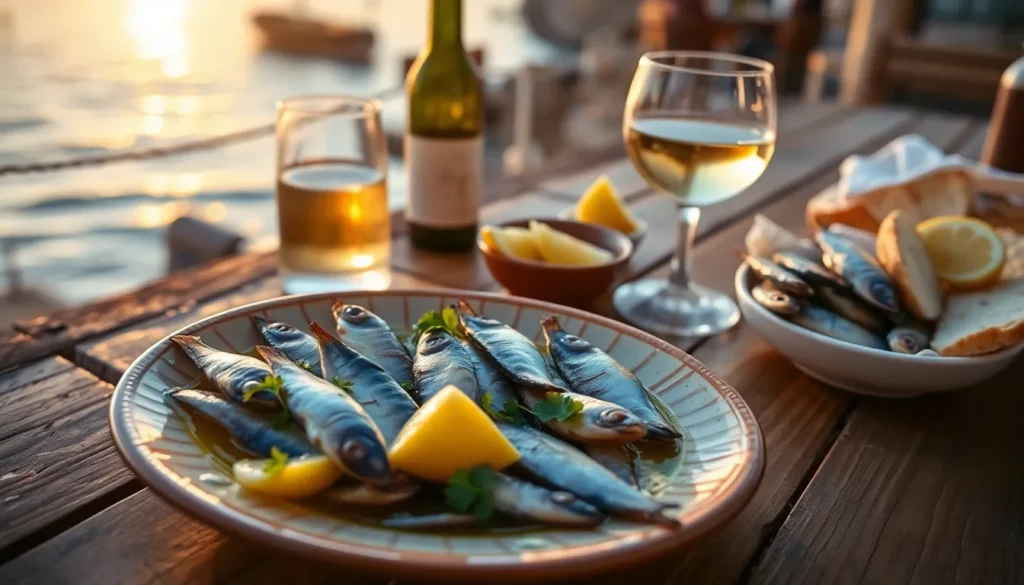
Alici (pronounced ah-LEE-chee) are fresh anchovies, small silvery fish belonging to the genus Engraulis encrasicolus, that are a fundamental ingredient in many Italian coastal cuisines. Unlike the salted or oil-packed anchovies commonly used as a condiment, alici are prized for their delicate flavor and tender flesh. They are most famously associated with the regions of Liguria, Campania, and Sicily, where they are prepared simply to highlight their natural taste. Key ingredients include fresh anchovies, extra-virgin olive oil, lemon juice, garlic, parsley, and sometimes vinegar or breadcrumbs. Alici are not a single dish but a category of preparations, ranging from marinated raw fillets (alici marinate) to fried whole fish (alici fritte) or baked with herbs (alici al forno).
Origin & History
The use of alici in Italian cooking dates back to ancient Roman times, when the fish were abundant in the Mediterranean and were preserved as garum, a fermented fish sauce. However, the tradition of eating fresh anchovies as a distinct dish emerged along the Italian Riviera and the Amalfi Coast, where fishing communities developed simple recipes to showcase the day’s catch. The earliest documented recipes for marinated alici appear in 19th-century cookbooks from Liguria, such as Giovanni Battista Ratto’s La Cuciniera Genovese (1863), which describes soaking fresh anchovies in vinegar and herbs. In Sicily, the practice of stuffing alici with breadcrumbs, pine nuts, and raisins (alici beccafico) reflects Arab influences from the medieval period. A popular anecdote claims that the name “alici” derives from the Greek word halykos (salty), though linguists trace it to the Latin alicula, a diminutive of alex (anchovy). Today, alici remain a symbol of Italian coastal identity, celebrated in festivals like the Sagra dell’Alici in Marzamemi, Sicily.
What’s In It
Core ingredients for alici preparations are minimal, emphasizing freshness. The fish themselves are the star: small, silver-skinned anchovies typically 10–15 cm long, with a mild, slightly sweet flavor. For marinated alici, the fish are filleted, then cured in a mixture of lemon juice or white wine vinegar, salt, and often garlic, parsley, and chili flakes. After a few hours, they are dressed with extra-virgin olive oil. For fried alici, whole fish are dusted in flour or semolina and deep-fried until crispy. Baked versions may include breadcrumbs, capers, olives, and tomatoes. A key nuance: alici are not the same as acciughe (salted or oil-packed anchovies), which are cured for months and have an intense, umami flavor. Fresh alici are milder and more perishable, requiring immediate consumption or preservation. The dish differs from similar Italian seafood like sarde (sardines), which are larger and oilier, or bianchetti (whitebait), which are tiny, translucent fish often eaten whole.
Regional Variations
Alici preparations vary significantly across Italy, reflecting local traditions and available ingredients. Below is a comparison of three major regions:
| Region | Typical Preparation | Key Characteristics |
|---|---|---|
| Liguria | Alici marinate (marinated raw fillets) | Fillets cured in lemon juice, olive oil, garlic, and parsley; served as an antipasto with focaccia or crisp bread. |
| Campania (Amalfi Coast) | Alici fritte (fried whole anchovies) | Whole fish dusted in flour, deep-fried, and served with lemon wedges; often eaten as a street food or secondo. |
| Sicily | Alici beccafico (stuffed anchovies) | Butterflied fillets rolled around a filling of breadcrumbs, pine nuts, raisins, and anchovy paste, then baked or fried. |
Other notable variations include alici in tortiera from Puglia (baked with potatoes and cherry tomatoes) and alici sotto sale (salt-cured) from the Adriatic coast, though the latter blurs the line between fresh and preserved.
How It’s Traditionally Eaten
Alici are most commonly served as an antipasto (starter) or a secondo (main course), rarely as a primo (pasta course) except in dishes like spaghetti con le alici (spaghetti with anchovy sauce). Marinated alici are typically eaten cold, accompanied by crusty bread, olives, and a glass of crisp white wine such as Vermentino or Greco di Tufo. Fried alici are served hot, often with a squeeze of lemon and a side of grilled vegetables or salad. In coastal towns, alici are a daily staple for fishermen and families, while elaborate stuffed versions appear during holidays like Christmas Eve (La Vigilia) or the Feast of the Immaculate Conception. In Sicily, alici beccafico are a traditional piatto di magro (lean dish) for Lent. Despite their simplicity, alici are never considered “poor food” but rather a celebration of the sea’s bounty.
Common Mistakes / What It’s Not
A frequent misconception, especially among American diners, is that alici are the same as the salty, pungent anchovies found on pizzas or in Caesar salad dressing. In reality, those are acciughe—cured, preserved anchovies with a completely different flavor profile. Fresh alici are mild, delicate, and never overpowering. Another mistake is overcooking: alici require only brief heat (a few minutes for frying or baking) to avoid becoming dry or mushy. Some tourists confuse alici with sarde (sardines), but sardines are larger, oilier, and have a stronger taste. Additionally, “white anchovies” sold in jars abroad are often a different species or a lighter cure; true Italian alici marinate are never pasteurized and should be consumed within a day or two. Finally, alici are not a pasta sauce base in the same way as acciughe; while fresh anchovies can be melted into a sauce, the result is far subtler than the intense puttanesca or spaghetti con le acciughe.
Where to Try It / What to Order
For an authentic experience, head to the Ligurian coast: in Genoa, visit Antica Osteria di Vico Palla for marinated alici served with local olive oil. On the Amalfi Coast, Da Gemma in Positano offers legendary fried alici. In Sicily, Osteria del Pesce in Marzamemi serves alici beccafico during the annual Sagra dell’Alici (late July). For travelers, ordering “alici marinate” as an antipasto is a safe bet; ask if they are “fresche” (fresh) and “del giorno” (of the day). Avoid pre-packaged versions in tourist shops. In Rome, seek out Enoteca Corsi for a simple yet perfect plate of marinated alici. When in doubt, choose fried alici—they are universally loved and showcase the fish’s natural sweetness.
Related Dishes
- Acciughe (Cured Anchovies)
- Sarde a Beccafico (Stuffed Sardines)
- Fritto Misto (Mixed Fried Seafood)
- Spaghetti con le Alici
- Insalata di Mare (Seafood Salad)
FAQ
What is the difference between alici and acciughe?
Alici are fresh anchovies, mild and delicate, while acciughe are cured (salted or oil-packed) anchovies with a strong, salty flavor. They are not interchangeable in recipes.
Can I eat alici raw?
Yes, when very fresh and properly marinated in acid (lemon juice or vinegar) for at least a few hours, alici are safe to eat raw. Always source from reputable fishmongers.
What is the best way to cook alici?
The simplest and most popular methods are marinating (raw) or quick frying in flour. Avoid overcooking; alici need only 2–3 minutes per side when fried.
Are alici sustainable?
Anchovies are generally considered a sustainable seafood choice due to their fast reproduction and low trophic level. Look for local, line-caught alici when possible.
What wine pairs best with alici?
Crisp, acidic white wines like Vermentino, Greco di Tufo, Soave, or a dry Prosecco complement the delicate flavor of alici without overpowering them.


Leave a Reply