
Short Answer
What Is Armelin? Italian Dessert Explained
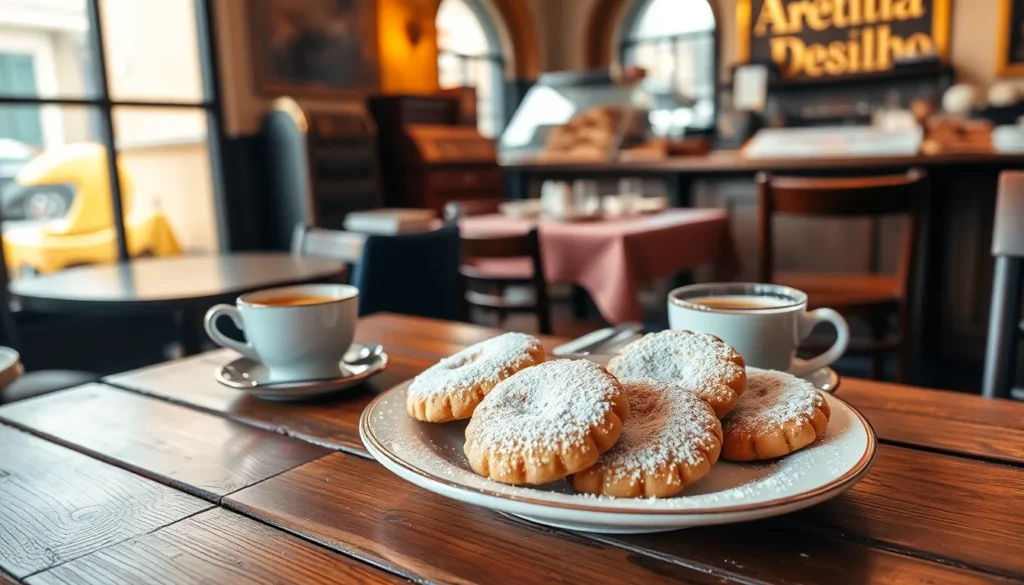
Armelin is a traditional Italian dessert cookie from the Veneto region, specifically associated with the city of Verona. It consists of a delicate, buttery shortbread (pasta frolla) base, typically filled or topped with apricot jam (marmellata di albicocche, locally called armellino). The cookie is often dusted with powdered sugar and may be formed as a sandwich or a single round with a jam center. Armelin is prized for its crumbly texture and the bright, fruity contrast of the apricot preserve. It is a staple of Venetian pastry shops and is especially popular during holidays and festive occasions.
Origin & History
The name Armelin derives from the Venetian dialect word for apricot, armellino, which itself traces back to the Latin armeniaca (meaning “from Armenia”). Apricots were introduced to Italy via trade routes from Armenia and became cultivated in the Veneto region by the Renaissance. The cookie likely emerged in the 19th century as a way to showcase local apricot preserves within the region’s rich pastry tradition. Historical records from Veronese bakeries mention armellini as a specialty for Carnival and Easter. Unlike many Italian cookies that use dried fruits or nuts, Armelin highlights the fresh, tangy flavor of apricot jam, reflecting the agricultural abundance of the Veneto countryside. A popular anecdote claims that the cookie was a favorite of the Venetian nobility, who enjoyed it with sweet wine or coffee during afternoon gatherings.
What’s In It
Armelin is built on a classic pasta frolla (shortcrust pastry) made from flour, butter, sugar, egg yolks, and a pinch of salt. Some recipes add lemon zest or vanilla for aroma. The filling is a high-quality apricot jam, often homemade, with visible fruit pieces. The dough is rolled thin, cut into rounds, and baked until lightly golden. In the most common version, a small indentation is made in the center before baking, which is filled with jam after cooling. Alternatively, two cookies are sandwiched with jam. The final touch is a dusting of powdered sugar. Armelin differs from similar Italian cookies like biscotti di pasta frolla (which may use other fillings) or cucidati (Sicilian fig cookies) by its exclusive use of apricot jam and its delicate, melt-in-the-mouth texture.

Regional Variations
While Armelin is firmly rooted in Veneto, variations exist across Italy:
- Veneto (Verona): The classic version uses only apricot jam, often with a lattice top or a single round with a jam center. Powdered sugar is essential.
- Lombardy (Mantua): Similar cookies called armelline may include a hint of almond extract or ground almonds in the dough, and the jam is sometimes mixed with chopped almonds.
- Sicily: A distant relative, pasta di mandorle cookies are filled with apricot jam but use almond flour instead of wheat flour, giving a denser, chewier texture.
- Emilia-Romagna: Here, frollini all’albicocca are larger and often cut into diamond shapes, with a thicker layer of jam.
These variations reflect local preferences for nut flours, different pastry techniques, and the availability of apricots.
How It’s Traditionally Eaten
Armelin is classified as a dolce (dessert) or pasticcino (small pastry). It is not a primo or secondo course. Traditionally, it is served as a mid-morning snack with coffee (caffè or cappuccino) or as an after-dinner treat with a glass of sweet wine such as Recioto della Valpolicella or Vin Santo. During holidays like Christmas, Easter, and Carnival, Armelin is often arranged on decorative trays and offered to guests. It is also a common gift from Veronese bakeries. Unlike everyday cookies, Armelin is considered a special-occasion sweet due to its labor-intensive preparation and the use of premium jam.
Common Mistakes / What It’s Not
Armelin is frequently confused with American thumbprint cookies, but the Italian version uses a richer, more delicate dough and never includes chocolate or other fillings. It is not a cake, a pastry cream-filled treat, or a dry biscuit like cantucci. Another misconception is that Armelin can be made with any jam; authentic recipes strictly call for apricot jam, as the name implies. Travelers should also note that Armelin is not a mass-produced industrial cookie; it is a handmade artisanal product best enjoyed fresh from a local pasticceria.
Where to Try It / What to Order
To taste authentic Armelin, visit historic pastry shops in Verona, such as Pasticceria Flego or Pasticceria Cordioli. In Venice, look for Pasticceria Tonolo or Pasticceria Rosa Salva. During the Verona Carnival, many bakeries offer special Armelin variations. When ordering, ask for “Armelin di Verona” or “frollini all’albicocca” if the local dialect is unfamiliar. For those outside Italy, specialty Italian food stores or online retailers like Gustiamo or Eataly sometimes stock imported Armelin. For the best experience, pair it with a lightly sweetened espresso or a glass of Prosecco.
Related Dishes
FAQ
What is Armelin?
Armelin is a traditional Venetian shortbread cookie filled with apricot jam, originating from Verona. It is made with pasta frolla dough and dusted with powdered sugar.
How is Armelin different from other Italian cookies?
Unlike dry biscuits like cantucci or nut-based cookies, Armelin uses a buttery shortbread base and a specific apricot jam filling, giving it a crumbly texture and fruity flavor. It is not a cream-filled pastry or a cake.
Where can I buy authentic Armelin?
Authentic Armelin is best found in Veronese pastry shops such as Pasticceria Flego or Pasticceria Cordioli. In Venice, try Pasticceria Tonolo. Online retailers like Gustiamo or Eataly may also carry imported versions.
Can I make Armelin at home?
Yes, with a good pasta frolla recipe and high-quality apricot jam. The key is to use cold butter, handle the dough minimally, and avoid overbaking to maintain a tender crumb.
Is Armelin gluten-free?
Traditional Armelin is made with wheat flour, so it is not gluten-free. However, some modern recipes use gluten-free flour blends, though the texture will differ.



Leave a Reply