
Short Answer
What Is Lepre? Italian Game Dish Explained
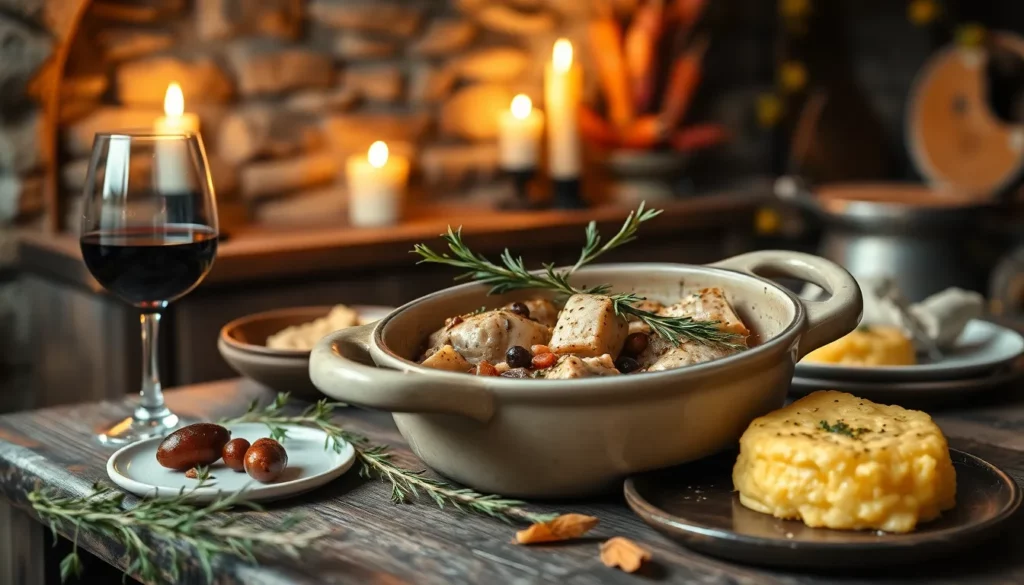
Lepre is the Italian term for hare, a wild game meat that forms the basis of several traditional Italian dishes, most notably Lepre in salmì (hare stewed in wine and aromatics) and Lepre alla cacciatora (hunter-style hare with tomatoes and herbs). Originating in the central Italian regions of Tuscany and Umbria, lepre is prized for its deep, earthy flavor and lean texture. The meat is typically marinated for 24 to 48 hours in red wine, vinegar, garlic, rosemary, sage, and juniper berries before being slow-cooked to tenderness. This preparation not only tenderizes the game but also infuses it with the aromatic herbs of the Mediterranean maquis.
Origin & History
The culinary use of hare in Italy dates back to ancient Rome. The Roman cookbook Apicius (1st century AD) includes recipes for lepus (hare) prepared with honey, pepper, and wine, often served at lavish banquets. During the Middle Ages, hare became a symbol of nobility and hunting privilege, reserved for the tables of lords and clergy. The Renaissance saw a refinement of game cookery, with cookbooks such as Bartolomeo Scappi’s Opera (1570) detailing elaborate marinades and slow-cooking techniques. The modern tradition of Lepre in salmì emerged in Tuscany and Umbria, where the dense forests provided abundant hare. The term salmì derives from the French salmis, a method of cooking game in its own juices with wine, but the Italian version evolved independently, emphasizing local herbs and Chianti wine. Anecdotes from the 19th century tell of hunters returning with hare and immediately preparing the marinade, a ritual that continues in rural homes today.
What’s In It
The core ingredients for a classic Lepre in salmì include:

- Hare (preferably wild, whole or cut into pieces)
- Red wine (Chianti Classico in Tuscany, Montefalco Rosso in Umbria)
- Red wine vinegar (for the marinade)
- Aromatics: garlic, rosemary, sage, bay leaves, juniper berries, black peppercorns
- Olive oil (extra virgin, for browning)
- Pancetta or lardo (for larding the lean meat)
- Tomato paste or passata (optional, in cacciatora-style versions)
- Broth (beef or game, for braising)
Preparation nuances: The hare is first marinated for at least 24 hours, then browned in olive oil with pancetta. The marinade is strained and added to the pot, along with broth, and the dish is simmered slowly for 2–3 hours until the meat is fork-tender. The sauce is often thickened with a little flour or by reducing. Lepre is distinct from coniglio (rabbit): hare has a stronger, gamier flavor, darker meat, and is leaner, requiring more careful cooking to avoid dryness. Unlike rabbit, hare is rarely farmed and is almost always wild, giving it a more pronounced taste of the forest.
Regional Variations
| Region | Dish Name | Key Characteristics |
|---|---|---|
| Tuscany | Lepre in salmì | Marinated in Chianti, cooked with rosemary and sage, served with soft polenta. No tomatoes; the sauce is dark and wine-forward. |
| Umbria | Lepre alla cacciatora | Includes tomatoes, olives, capers, and sometimes anchovies. A more rustic, hunter-style preparation with a tangy sauce. |
| Piedmont | Lepre in salmì (Barolo version) | Uses Barolo wine, often with the addition of chocolate or cocoa powder for depth. Served with polenta or roasted potatoes. |
| Sardinia | Lepre alla sarda | Marinated in myrtle-infused vinegar, cooked with garlic and wild fennel. Served with pane carasau (crispy flatbread). |
| Lazio | Lepre in agrodolce | Sweet-and-sour preparation with pine nuts, raisins, and vinegar, reflecting ancient Roman influences. |
How It’s Traditionally Eaten
Lepre is served as a secondo (main course) in the traditional Italian meal structure, following a primo such as pasta or soup. It is almost always accompanied by a starch: in Tuscany, soft polenta is the classic partner, while in Umbria, roasted potatoes or grilled bread are common. The dish is typically enjoyed during the autumn and winter months, when hare hunting season is in full swing (October to January). It is a festive meal, often prepared for Sunday family gatherings or special occasions like Christmas Eve. Because hare is not readily available year-round, it is considered a treat rather than an everyday dish. The wine pairing is crucial: a full-bodied red such as Chianti Classico, Montefalco Rosso, or Barolo complements the gamey flavors. In some regions, a glass of the same wine used in the marinade is served alongside.
Common Mistakes / What It’s Not
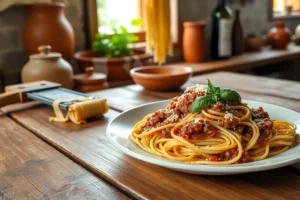
A frequent misconception, especially among American home cooks, is that lepre is interchangeable with rabbit (coniglio). While both are lagomorphs, hare is significantly leaner and stronger in flavor; substituting farmed rabbit without adjusting the marinade and cooking time results in a bland, dry dish. Another mistake is skipping the long marinade: hare must be marinated for at least 24 hours to tenderize and mellow its gamey notes. Overcooking is also common—hare can become tough if braised too quickly; low and slow is essential. Additionally, Lepre is not a pasta dish. Unlike ragù di coniglio, which is served with pasta, lepre is always presented as a solid piece of meat with a sauce, never as a sauce for pasta. Some American-Italian restaurants may serve “Lepre alla cacciatora” with spaghetti, but this is an inauthentic adaptation. Finally, do not confuse Lepre in salmì with the French civet de lièvre, which uses the hare’s blood as a thickener—Italian salmì typically does not include blood.
Where to Try It / What to Order
For an authentic experience, head to the regions where lepre is a culinary staple. In Tuscany, look for Lepre in salmì on the menu at traditional trattorias in Florence, Siena, or the Chianti countryside. In Umbria, especially around Perugia and Spoleto, Lepre alla cacciatora is a winter specialty. In Piedmont, the Langhe area (Alba, Barolo) offers a refined version with Barolo wine. For a unique island variation, visit Sardinia and order Lepre alla sarda. When ordering, ask if the hare is wild (selvaggina) and if the dish is prepared in the traditional manner. Pair it with a local red wine recommended by the sommelier. Many towns also hold sagre (food festivals) dedicated to game, such as the Sagra della Lepre in Castiglione del Lago (Umbria) in November. If you cannot travel, seek out Italian specialty butchers or online purveyors that sell wild hare, and follow a recipe from a trusted source like The Silver Spoon or Pellegrino Artusi’s Science in the Kitchen.
Related Dishes
FAQ
What is Lepre in Italian cuisine?
Lepre is the Italian word for hare, a wild game meat used in traditional dishes like Lepre in salmì (wine-marinated stew) and Lepre alla cacciatora (hunter-style with tomatoes and herbs). It is a specialty of central and northern Italy, especially Tuscany, Umbria, and Piedmont.
How is Lepre different from coniglio?
Lepre (hare) is larger, leaner, and has a stronger, gamier flavor than coniglio (rabbit). Hare is almost always wild, while rabbit is often farmed. Hare requires longer marination and slower cooking to avoid dryness.
What wine pairs with Lepre?
A full-bodied red wine such as Chianti Classico (Tuscany), Montefalco Rosso (Umbria), or Barolo (Piedmont) complements the rich, gamey flavors of lepre. The same wine used in the marinade is often served alongside.
Can I substitute rabbit for hare in a Lepre recipe?
While possible, rabbit will produce a milder, less complex dish. If substituting, reduce marination time to 12–24 hours and adjust cooking time, as rabbit cooks faster. The result will be a different dish, not authentic lepre.
Is Lepre a pasta dish?
No. Lepre is always served as a secondo (main course) with a side like polenta or potatoes. It is never used as a pasta sauce, unlike some rabbit preparations.
Leave a Reply