
Short Answer
What Is Basilico? Italian Herb Explained
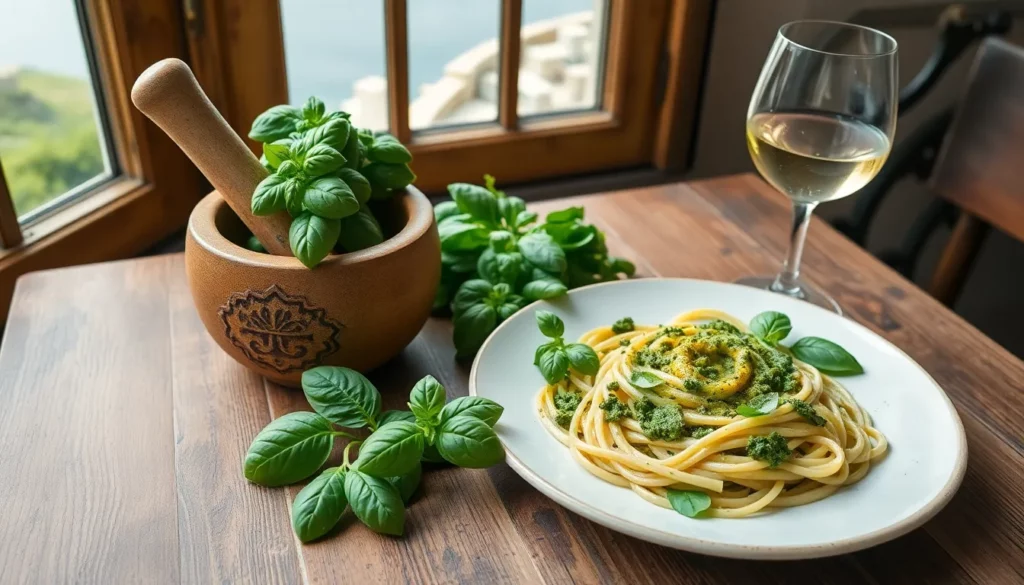
Basilico is the Italian name for basil (Ocimum basilicum), a fragrant herb belonging to the mint family (Lamiaceae). In Italian cuisine, it is a fundamental aromatic ingredient, most famously associated with the Ligurian region and the world-renowned Pesto alla Genovese. Basilico is characterized by its bright green leaves, sweet and slightly peppery flavor, and intense aroma. It is used fresh, rarely dried, to preserve its delicate essential oils. The herb thrives in the Mediterranean climate and is a staple in southern Italian cooking, appearing in salads, sauces, and as a garnish for pizzas and pastas.
Origin & History
Basil is native to tropical regions of Asia and Africa, but its introduction to the Mediterranean is ancient. The name “basil” derives from the Greek basilikon (“royal”), reflecting its esteemed status. In Italy, basilico has been cultivated since Roman times, though its widespread culinary use solidified during the Middle Ages. The herb became particularly emblematic of Liguria, where the mild coastal climate and fertile soil produce the sweet, large-leafed variety used in pesto. Historical records from the 19th century document the first written recipe for Pesto alla Genovese, which relies entirely on fresh basilico. Myths surrounding basilico include its association with love and protection; in some Italian folklore, a pot of basil on a windowsill was believed to ward off evil spirits.
What’s In It
Basilico is prized for its volatile oils, primarily linalool and estragole, which give it a sweet, anise-like aroma. The leaves also contain eugenol (clove-like), methyl cinnamate, and other compounds that create its complex flavor profile. Key characteristics include:

- Flavor: Sweet, slightly peppery, with hints of mint and clove.
- Aroma: Intensely fragrant, especially when bruised or torn.
- Appearance: Bright green, smooth, oval leaves with pointed tips; stems are tender and green.
- Varieties: Genovese (large, sweet), Napoletano (large, mild), Purple basil (ornamental, slightly spicy), Greek basil (small leaves, compact).
Unlike similar herbs such as mint or Thai basil, Italian basilico is sweeter and less pungent. It is almost always used fresh; drying basil destroys its essential oils and results in a hay-like flavor. Preparation involves gentle handling—tearing rather than cutting to avoid bruising—and it is added at the end of cooking to preserve its fragrance.
Regional Variations
While basilico is used throughout Italy, its role and varieties differ by region:
| Region | Variety | Typical Use |
|---|---|---|
| Liguria | Genovese basil (DOP) | Pesto alla Genovese, trofie, minestrone |
| Campania | Napoletano basil | Caprese salad, pizza Margherita, pasta sauces |
| Sicily | Local sweet basil | Pasta alla Norma, caponata, granita al basilico |
| Lazio | Common basil | Insalata caprese, bruschetta, spaghetti aglio e olio |
In Liguria, the Genovese variety is protected by DOP status and must be grown in specific provinces. Campania favors larger leaves for salads and garnishes. Sicily often uses basil in sweet-savory combinations, such as in granita or with ricotta. The northern regions use basil more sparingly, often as a finishing herb.
How It’s Traditionally Eaten
Basilico is not a dish itself but a key component of many Italian courses. It is most commonly used as a condiment or garnish:
- Primo (first course): Pesto alla Genovese on pasta (trofie, trenette, or linguine); basil leaves in minestrone or tomato-based soups.
- Secondo (main course): Basilico is rarely cooked with meat; it appears in sauces for fish or chicken, or as a fresh topping for grilled vegetables.
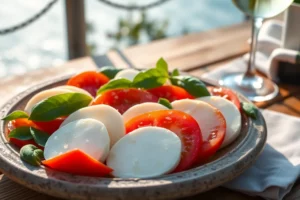
- Contorno (side dish): Insalata caprese (tomato, mozzarella, basil) is a classic summer side.
- Antipasto: Bruschetta with tomato and basil; basil leaves wrapped around prosciutto or mozzarella.
Basilico is typically used fresh and raw; it is added to hot dishes only at the last moment to avoid wilting. It is a staple of everyday cooking in southern Italy, especially during summer when basil is abundant. On holidays, basilico features in festive dishes like pesto for special occasions or as a garnish for seafood feasts.
Common Mistakes / What It’s Not
Many misconceptions surround basilico, especially outside Italy:
- Dried basil is not a substitute: Dried basil lacks the essential oils and flavor of fresh. Italian cooking almost exclusively uses fresh basilico.
- Basilico is not a pizza topping in Italy: While pizza Margherita includes basil leaves, they are added after baking. In Italy, basil is not typically baked into the pizza.
- Not all basil is the same: Thai basil, holy basil, and lemon basil are different species with distinct flavors. Italian basilico refers specifically to sweet basil varieties.
- Pesto is not just basil and oil: Authentic Pesto alla Genovese includes basil, pine nuts, garlic, Parmigiano-Reggiano, Pecorino, and extra-virgin olive oil, ground with a mortar and pestle.
- Basilico should not be chopped with a knife: Chopping bruises the leaves and releases bitter compounds. Tearing or using a mezzaluna (curved blade) is preferred.
Where to Try It / What to Order
To experience basilico at its finest, visit the regions where it is celebrated:
- Liguria: In Genoa, order trofie al pesto or pansoti in salsa di noci. Visit the annual Pesto World Championship in Genoa.
- Campania: In Naples, try pizza Margherita with fresh basil leaves. In Sorrento, enjoy insalata caprese with local basil.
- Sicily: In Catania, sample pasta alla Norma with fried eggplant and basil. In Palermo, seek out granita al basilico for a refreshing sweet-savory treat.
- Markets: Visit local mercati (e.g., Mercato di San Lorenzo in Florence) to buy fresh basilico bunches. Look for the DOP label on Genovese basil.
When ordering, ask for basilico fresco (fresh basil) and specify if you want it as a garnish or in a sauce. In restaurants, basilico is often used as a finishing touch, so expect whole leaves rather than chopped.
Related Dishes
FAQ
What is Basilico in Italian cuisine?
Basilico is the Italian word for basil, a fragrant herb used fresh in many dishes, most famously in Pesto alla Genovese from Liguria.
What are the different types of Basilico used in Italy?
The main varieties are Genovese (large sweet leaves, DOP), Napoletano (large mild leaves), and local sweet basil in Sicily. Each region prefers its own type.
How should Basilico be stored to keep it fresh?
Store fresh basilico at room temperature with stems in a glass of water, like cut flowers, and cover the leaves loosely with a plastic bag. Do not refrigerate, as cold damages the leaves.
Can I substitute dried basil for fresh Basilico in Italian recipes?
No, dried basil lacks the essential oils and flavor of fresh. Italian cuisine almost exclusively uses fresh basilico. If fresh is unavailable, consider using other fresh herbs like mint or parsley.
What is the best way to cut Basilico without bruising?
Tear the leaves by hand or use a mezzaluna (curved knife) with a gentle rocking motion. Avoid chopping with a straight blade, which bruises the leaves and releases bitter compounds.


Leave a Reply