
Short Answer
What Is Finocchio? Italian Ingredient Explained
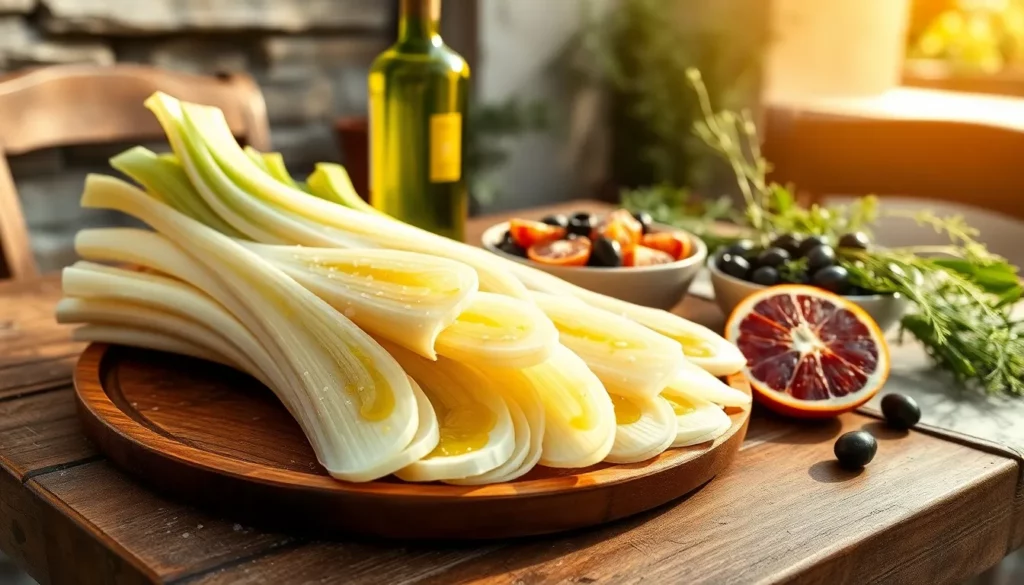
Finocchio is the Italian word for fennel (Foeniculum vulgare), a flowering plant species in the carrot family (Apiaceae). In Italian cuisine, the term specifically refers to the bulb vegetable—a crisp, pale green or white bulb with feathery fronds—that has a mild licorice flavor. Originating in the Mediterranean basin, particularly Sicily and southern Italy, finocchio is a staple ingredient used both raw and cooked. Key components include the bulb, stalks, fronds, and seeds. It is distinct from anise (Pimpinella anisum) and star anise (Illicium verum), though all share a similar aromatic compound (anethole). Finocchio is celebrated for its versatility: it can be eaten raw in salads, braised as a contorno, or used to flavor broths and sauces.
Origin & History
Fennel has been cultivated since ancient times. The Etruscans and Romans valued it both as a food and a medicine. The Roman cookbook Apicius (4th–5th century AD) includes recipes for fennel. In Greek mythology, Prometheus stole fire from the gods hidden inside a fennel stalk. Wild fennel (finocchietto) grows abundantly across Italy, especially in Sicily, where it has been foraged for centuries. The bulb variety known as Florence fennel (Foeniculum vulgare var. azoricum) was developed in Italy during the Renaissance, prized for its swollen, edible base. Today, finocchio is deeply embedded in Italian culinary identity, with festivals (sagre) dedicated to it in towns like Capaccio Paestum and San Vito Lo Capo. It is also a symbol of fertility and protection in some folk traditions.
What’s In It
The core ingredient is fresh fennel bulb, often accompanied by its fronds for garnish. Preparation involves trimming the stalks, removing any tough outer layers, and slicing or chopping. The bulb can be eaten raw (shaved thin) or cooked (braised, roasted, grilled). Finocchio is sometimes confused with similar-sounding Italian terms: finocchiona is a Tuscan salami flavored with fennel seeds, while finocchietto refers to wild fennel, a herb used in pasta and fish dishes. The dish itself is not a sauce or a pasta; it is a vegetable preparation. Key flavor pairings include olive oil, lemon, orange, salt, pepper, and sometimes garlic or chili.

Regional Variations
Finocchio is prepared differently across Italy, reflecting local tastes and traditions. Below is a comparison of three major regions:
| Region | Typical Preparation | Key Ingredients | Notes |
|---|---|---|---|
| Sicily | Raw in salad (insalata di finocchi e arance) | Fennel bulb, blood oranges, olives, red onion, olive oil | Refreshing, often served as antipasto |
| Tuscany | Braised (finocchi in umido) | Fennel bulb, tomatoes, garlic, white wine, herbs | Slow-cooked until tender, served as contorno |
| Rome | Gratin (finocchi gratinati) | Fennel bulb, butter, Parmesan, breadcrumbs | Baked until golden, often alongside roasted meats |
Other notable variations include Liguria (fennel with anchovies and pine nuts) and Campania (fennel in seafood stews).
How It’s Traditionally Eaten
Finocchio is most commonly served as a contorno (side dish) or as part of an antipasto platter. It rarely appears as a primo (pasta or rice dish) unless incorporated into a risotto or sauce. Raw finocchio is often dipped in olive oil and salt or paired with citrus and cheese. Cooked finocchio accompanies fish (especially grilled or baked), pork, or chicken. On holidays, such as Christmas Eve (La Vigilia), finocchio may appear in the Feast of the Seven Fishes as a braised side. It is also a common ingredient in winter salads and soups. In everyday meals, it is a quick, healthy addition to the table.
Common Mistakes / What It’s Not
A frequent misconception, especially in American-Italian contexts, is that finocchio is the same as anise or licorice. While the flavor is similar, finocchio is a vegetable bulb, not a spice seed. Another error is confusing finocchio with finocchiona, the salami. Finocchio is not a pasta dish, nor is it a sauce. It is also not the same as finocchietto (wild fennel), which is a herb used in small quantities. Corrective guidance: when a recipe calls for “fennel bulb,” that is finocchio. When it calls for “fennel seeds,” those are the dried seeds of the same plant but used differently. Avoid substituting anise seed for fennel seed in Italian recipes, as the flavor profile differs.
Where to Try It / What to Order
To experience authentic finocchio, visit Italy during its peak season (autumn to spring). In Sicily, order insalata di finocchi e arance at a trattoria in Palermo or Catania. In Tuscany, look for finocchi in umido in Florence or Siena. In Rome, try finocchi gratinati at a traditional osteria. For a unique festival, attend the Sagra del Finocchio in Capaccio Paestum (Campania) or the Festa del Finocchio in San Vito Lo Capo (Sicily). When ordering, ask for “finocchi freschi” and specify if you want them raw or cooked. Travelers should note that finocchio is often served as a contorno, so order it alongside a main course.
Related Dishes
FAQ
Is finocchio the same as anise?
No. Finocchio (fennel bulb) is a vegetable, while anise is a spice seed. Both contain anethole, but their culinary uses and flavors differ. Fennel bulb is milder and sweeter.
Can you eat finocchio raw?
Yes. Raw finocchio is commonly shaved thin and served in salads, often with citrus, olive oil, and salt. It has a crisp texture and refreshing flavor.
What does finocchio taste like?
Finocchio has a mild licorice or anise-like flavor, but it is much subtler than licorice candy. The taste is sweet, slightly peppery, and refreshing, especially when raw.
How do you store fresh finocchio?
Store unwashed fennel bulb in the refrigerator, wrapped in a plastic bag, for up to 5–7 days. Keep the fronds separate and use them within a day or two.
What is the difference between finocchio and finocchiona?
Finocchio is the vegetable fennel. Finocchiona is a cured meat (salami) from Tuscany that is flavored with fennel seeds. They are not interchangeable.
Leave a Reply