
Short Answer
What Is Pollame? Italian Poultry Explained
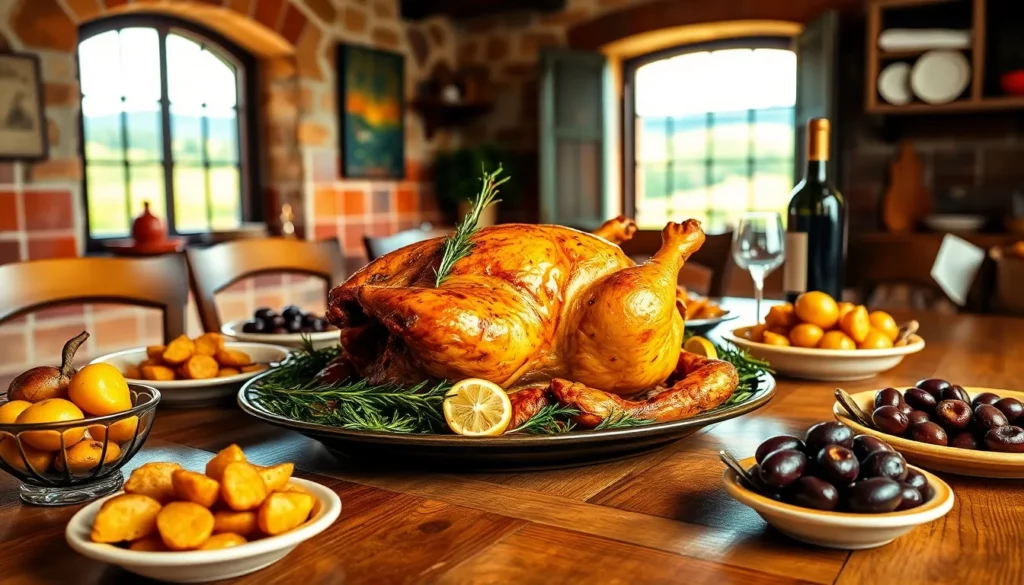
Pollame is the Italian word for poultry, encompassing domesticated birds raised for meat and eggs. In Italian cuisine, pollame refers primarily to chicken (pollo), turkey (tacchino), duck (anatra), goose (oca), and guinea fowl (faraona). Unlike the broad English term, pollame carries a culinary tradition that emphasizes simplicity, regional identity, and respect for the ingredient. Poultry is a staple across all Italian regions, appearing in both everyday meals and festive feasts. The key to authentic pollame dishes lies in the quality of the bird—often free-range and pasture-raised—and the use of minimal, high-quality seasonings such as olive oil, garlic, rosemary, sage, and lemon. Pollame is not a single dish but a category that includes countless preparations, from the iconic pollo alla cacciatora of Tuscany to the delicate anatra in salmi of Veneto.
Origin & History
The domestication of poultry in Italy dates back to ancient Roman times, when chickens were kept for both eggs and meat. Roman agricultural writers like Columella described methods for raising and fattening chickens, and archaeological evidence shows that poultry was a common protein source in Roman cities. During the Middle Ages, poultry became a symbol of status and was featured in elaborate banquets. The Renaissance cookbook Libro de arte coquinaria by Maestro Martino (15th century) includes recipes for roasted capon and stuffed chicken, reflecting the growing sophistication of Italian poultry cookery. The introduction of the turkey from the Americas in the 16th century revolutionized Italian cuisine, especially in the north, where it became a Christmas and Easter tradition. Regional differences emerged: Tuscany favored simple grilled chicken, while the Veneto developed complex braised duck dishes. Today, pollame remains a cornerstone of Italian home cooking, with each region preserving its unique heritage.
What’s In It
The core ingredient of any pollame dish is, of course, the bird itself. However, the preparation varies widely. Common elements include:

- Poultry: Chicken, turkey, duck, goose, or guinea fowl, often free-range (ruspante) for superior flavor.
- Aromatics: Garlic, onion, rosemary, sage, thyme, bay leaves, and lemon.
- Cooking fats: Extra-virgin olive oil, butter, or rendered poultry fat.
- Liquids: White or red wine, broth, tomato passata, or vinegar for braising.
- Vegetables: Potatoes, carrots, celery, mushrooms, olives, and capers.
What distinguishes pollame from similar-sounding Italian dishes is that it is a category, not a specific recipe. For example, pollo alla cacciatora (hunter-style chicken) is one preparation within pollame, but the term pollame itself encompasses all poultry dishes. Unlike American-style fried chicken, Italian pollame is rarely deep-fried; instead, it is roasted, grilled, braised, or stewed. The emphasis is on the natural flavor of the bird, enhanced by simple, high-quality ingredients.
Regional Variations
Italy’s diverse geography and history have given rise to distinct regional pollame traditions. The table below highlights key differences:
| Region | Typical Bird | Signature Dish | Preparation Style |
|---|---|---|---|
| Tuscany | Chicken (pollo) | Pollo alla diavola | Spatchcocked, grilled over charcoal with lemon, garlic, and rosemary |
| Veneto | Duck (anatra) | Anatra in salmi | Braised in red wine, spices, and sometimes chocolate or blood |
| Campania | Chicken | Pollo alla cacciatora | Stewed with tomatoes, mushrooms, onions, and white wine |
| Emilia-Romagna | Chicken, capon | Pollo ripieno | Stuffed with bread, cheese, herbs, and roasted |
| Sicily | Chicken | Pollo alla siciliana | Baked with olives, capers, pine nuts, and raisins |
| Piedmont | Guinea fowl (faraona) | Faraona al forno | Roasted with butter, sage, and sometimes truffles |
These variations reflect local ingredients and cultural influences. For instance, the use of capers and olives in Sicily points to Arab and Greek heritage, while the rich braises of Veneto show the region’s love for slow-cooked game.
How It’s Traditionally Eaten
In a traditional Italian meal, pollame is served as a secondo (main course) after the primo (pasta or soup) and before contorno (side dishes) and dolce (dessert). It is often accompanied by roasted potatoes, sautéed greens, or a simple salad. Pollame is also a centerpiece for festive occasions: roast turkey (tacchino arrosto) is a Christmas staple in northern Italy, while capon (cappone) is reserved for Easter and other celebrations. Everyday pollame dishes, such as pollo in umido (braised chicken), are common family meals. Wine pairings vary: light reds like Chianti for chicken, fuller-bodied reds like Valpolicella for duck, and white wines like Soave for delicate preparations.
Common Mistakes / What It’s Not
A frequent misconception, especially among American-Italian diners, is that pollame refers to a specific dish. In reality, it is the Italian term for poultry as a category. Another mistake is assuming that Italian poultry is heavily sauced or breaded. Authentic Italian pollame relies on the quality of the bird and simple seasonings. Overcooking is a common error; Italian cooks often prefer poultry cooked to a juicy, tender state, not dried out. Additionally, pollame is not synonymous with pollo (chicken) alone—it includes duck, turkey, goose, and guinea fowl. When ordering in Italy, avoid asking for “pollame” as a dish; instead, specify the bird and preparation, such as pollo alla griglia or anatra arrosto.
Where to Try It / What to Order
To experience authentic pollame, visit Italy’s regional trattorias and osterias. In Tuscany, seek out pollo alla diavola at a rustic fattoria (farmhouse restaurant). In Veneto, order anatra in salmi in a traditional trattoria near Venice. For guinea fowl, head to Piedmont, especially during truffle season. Festivals like the Sagra del Pollo in various towns celebrate local poultry. When ordering, ask for pollo ruspante (free-range chicken) for the best flavor. In Rome, pollo alla romana (chicken with bell peppers) is a classic. For home cooking, look for recipes from trusted Italian sources like The Silver Spoon or Marcella Hazan.
Related Dishes
FAQ
What is pollame in Italian cuisine?
Pollame is the Italian term for poultry, including chicken, turkey, duck, goose, and guinea fowl. It is a category of meat used in many regional dishes, not a single recipe.
What are the most common types of pollame?
The most common types are chicken (pollo), turkey (tacchino), duck (anatra), goose (oca), and guinea fowl (faraona). Chicken is by far the most popular.
How is pollame traditionally cooked in Italy?
Italian pollame is typically roasted, grilled, or braised with simple seasonings like olive oil, garlic, rosemary, and lemon. It is rarely deep-fried. Cooking methods vary by region.
Is pollame the same as poultry?
Yes, pollame is the Italian word for poultry. However, in culinary context, it refers specifically to the Italian tradition of preparing and serving these birds.
What is the difference between pollo and pollame?
Pollo means chicken, while pollame is the broader category of poultry. All pollo is pollame, but not all pollame is pollo.
Leave a Reply