
Short Answer
What Is Farfalle? Italian Pasta Shape Explained
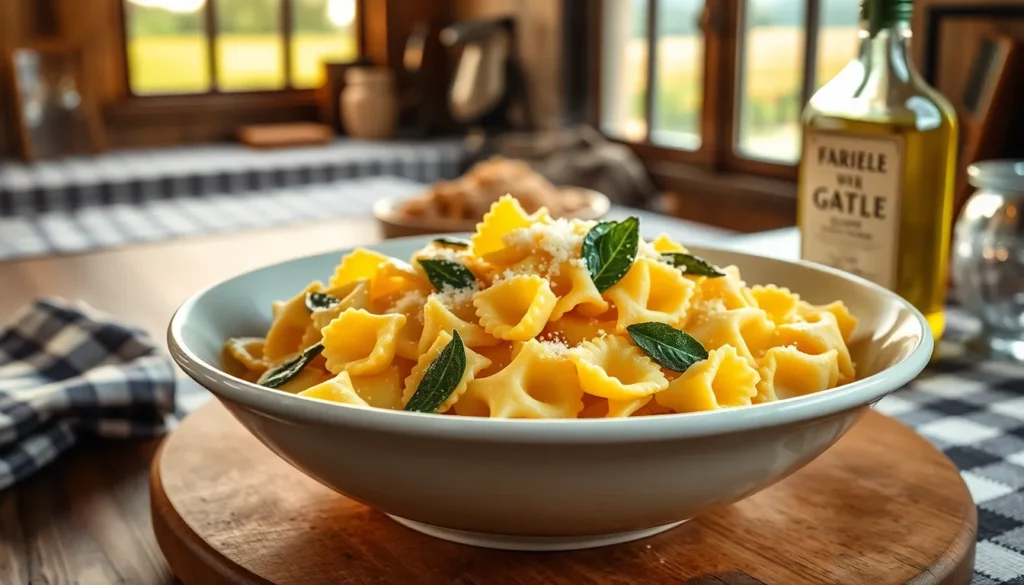
Farfalle, meaning “butterflies” in Italian, is a distinctive pasta shape characterized by its pinched center and flared, wing-like edges. Originating from the Po Valley region of Northern Italy, particularly Lombardy and Emilia-Romagna, farfalle are traditionally made from durum wheat semolina and water, though egg-enriched versions exist. Their unique shape makes them ideal for capturing light sauces, and they are commonly used in pasta salads, creamy preparations, and simple butter-based dishes. Unlike filled pastas, farfalle are a dry pasta shape, offering a firm, al dente texture when properly cooked.
Origin & History
The exact origins of farfalle are somewhat debated, but they are believed to have been created in the early 20th century in the regions of Lombardy and Emilia-Romagna. One popular anecdote credits a pasta maker’s wife who, while cutting dough into rectangles, pinched the center to create a butterfly shape, thus giving birth to farfalle. However, historical evidence suggests that the shape was commercialized in the 1900s as pasta production became industrialized. The name “farfalle” reflects the pasta’s resemblance to butterflies, a symbol of transformation and lightness. Today, farfalle are a staple in Italian households and are exported worldwide, often associated with colorful pasta salads in American cuisine, though in Italy they are more commonly served with simple, delicate sauces.
What’s In It
Traditional farfalle are made from just two ingredients: durum wheat semolina and water. The dough is kneaded, rolled into thin sheets, cut into small rectangles, and then pinched in the center to form the butterfly shape. Some artisanal versions include eggs, which enrich the flavor and color, but these are less common. The pasta is typically dried at low temperatures to preserve its texture. Farfalle should not be confused with similar shapes like “farfalle tonde” (round farfalle) or “farfalle rigate” (ridged farfalle), which have slight variations. The key to perfect farfalle is achieving a thin, even dough that cooks uniformly, resulting in a tender yet firm bite.

Regional Variations
While farfalle are not tied to a single region’s cuisine, their use varies across Italy. Below is a comparison of how farfalle are enjoyed in different areas:
| Region | Typical Sauce | Characteristics |
|---|---|---|
| Lombardy | Butter and sage (burro e salvia) | Simple, highlighting the pasta’s texture; often served as a primo. |
| Emilia-Romagna | Parmesan cream or ragù bianco | Rich, creamy sauces that cling to the wings; sometimes with prosciutto. |
| Campania | Tomato and basil (pomodoro e basilico) | Light, fresh sauces; farfalle are also used in cold pasta salads. |
| Sicily | Pesto alla trapanese or seafood | Bold flavors; farfalle are less common but appear in some modern interpretations. |
In the United States, farfalle are often paired with heavy cream sauces or used in pasta salads with mayonnaise, which is not traditional in Italy. Authentic Italian preparations emphasize simplicity and quality ingredients.
How It’s Traditionally Eaten
In Italian dining, farfalle are served as a primo (first course), typically followed by a secondo of meat or fish. They are not usually eaten as a main dish. The pasta is cooked al dente and tossed with a sauce that complements its shape. Common pairings include butter and sage, light tomato sauces, or vegetable-based sauces like zucchini and mint. Farfalle are also popular in insalate di pasta (pasta salads) for picnics or summer meals, though this is more of a modern, casual use. On holidays, farfalle might be served with a delicate cream sauce and truffles, but they are generally considered an everyday pasta.
Common Mistakes / What It’s Not
Many misconceptions surround farfalle, especially in American-Italian contexts. First, farfalle is not a filled pasta like ravioli or tortellini; it is a simple, dry pasta shape. Second, farfalle should not be overcooked; it should retain a firm bite. Third, heavy cream sauces or thick meat ragùs are not traditional; the delicate shape is best with light, thin sauces that coat without overwhelming. Fourth, farfalle are not typically served with seafood in Italy, though some modern recipes exist. Finally, the term “bow-tie pasta” is an Americanization; in Italy, it is always called farfalle. To enjoy farfalle authentically, cook it al dente, pair with simple ingredients, and avoid drowning it in sauce.
Where to Try It / What to Order
To experience authentic farfalle, visit the regions of Lombardy or Emilia-Romagna in Italy. In Milan, try farfalle al burro e salvia at a traditional trattoria. In Bologna, look for farfalle con crema di parmigiano. For travelers, ordering “farfalle al dente” ensures proper texture. Outside Italy, seek out Italian restaurants that emphasize regional authenticity. During the annual Sagra della Pasta in Gragnano, farfalle are often featured. When cooking at home, use high-quality Italian semolina pasta and simple, fresh ingredients.
Related Dishes
FAQ
What does farfalle mean?
Farfalle means 'butterflies' in Italian, referring to the pasta's distinctive shape.
Is farfalle the same as bow-tie pasta?
Yes, bow-tie pasta is the American term for farfalle, but in Italy it is always called farfalle.
What sauce goes with farfalle?
Light sauces such as butter and sage, tomato and basil, or vegetable-based creams are traditional. Avoid heavy meat ragùs.
How long should I cook farfalle?
Dried farfalle typically cook in 10–12 minutes; fresh farfalle cook in 2–3 minutes. Always cook to al dente.
Can farfalle be made at home?
Yes, with a simple dough of semolina and water, rolled thin, cut into rectangles, and pinched in the center.

Leave a Reply