
Short Answer
What Is Fusilli? Italian Pasta Explained
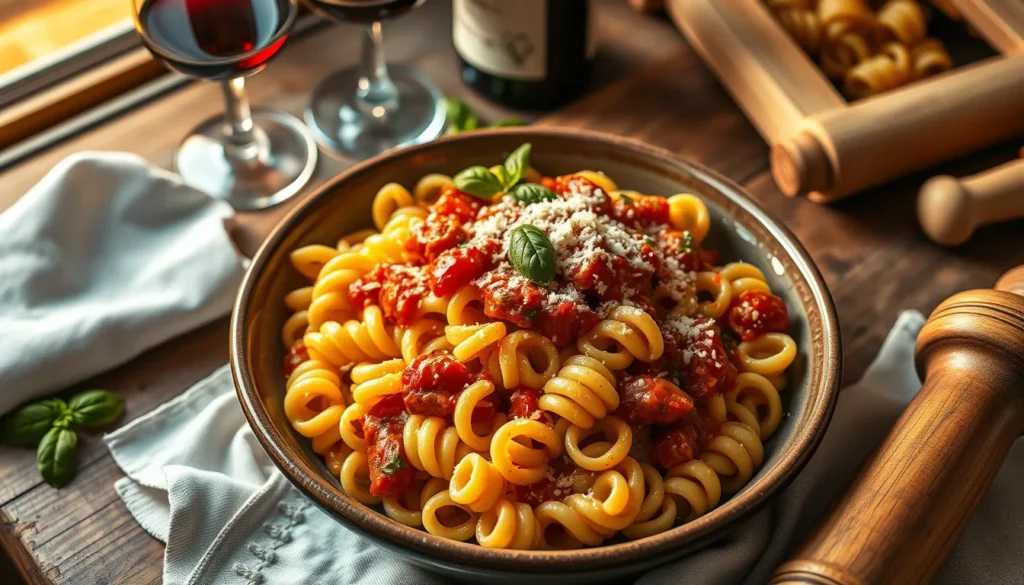
Fusilli is a type of dried pasta characterized by its distinctive spiral or corkscrew shape, typically made from durum wheat semolina and water. Originating from the southern regions of Italy, particularly Campania and Sicily, fusilli is one of the most recognizable pasta shapes worldwide. Its twisted form is designed to trap sauces, making it ideal for both light and hearty condiments. Unlike fresh pasta, fusilli is almost always produced industrially through extrusion, though artisanal versions exist. The name derives from the Italian word fuso, meaning “spindle,” referencing the tool historically used to shape the pasta by hand.
Origin & History
The earliest documented references to fusilli date back to the 16th century in Southern Italy, where pasta makers in Naples and Sicily began experimenting with shapes beyond simple strands. The spiral form was likely inspired by the twisting motion used to shape dough around thin rods or spindles. Unlike the myth that Marco Polo brought pasta from China, fusilli is a purely Italian innovation, born from the need to create shapes that could hold sauce and dry evenly. By the 19th century, industrial extrusion methods standardized the shape, and fusilli became a staple in Italian households. Today, it remains a symbol of Campanian pasta craftsmanship, with Gragnano—a town near Naples—being a historic center of pasta production.
What’s In It
Authentic fusilli is made from just two ingredients: durum wheat semolina (grano duro) and water. The semolina is mixed with water to form a stiff dough, which is then extruded through bronze dies to create the spiral shape. The bronze dies give the pasta a rough, porous surface that helps sauces cling. Some artisanal versions may include eggs, but traditional dried fusilli is egg-free. The dough is then dried slowly at low temperatures to preserve flavor and texture. Fusilli should not be confused with rotini, a similar but smaller and tighter spiral often made with different flours. True fusilli has a looser, more open spiral and a slightly thicker strand.

Regional Variations
Fusilli varies across Italy in shape, size, and even name. Below is a comparison of three major regional interpretations:
| Region | Name / Variation | Characteristics | Typical Sauce Pairing |
|---|---|---|---|
| Campania (Naples) | Fusilli Napoletani | Classic spiral, about 4 cm long, made with 100% semolina; rough texture from bronze dies. | Tomato-based sauces (e.g., marinara, ragù), or simply with olive oil and garlic. |
| Sicily | Fusilli Siciliani (or Busiate) | Longer, thinner spirals often hand-rolled around a thin rod; may include local semolina from Sicilian wheat. | Pesto alla Trapanese (almond and tomato pesto), or with sardines and wild fennel. |
| Lazio (Rome) | Fusilli alla Romana | Shorter, thicker spirals with a tighter twist; sometimes made with a mix of semolina and soft wheat flour. | Carbonara (though traditionally with spaghetti) or cacio e pepe; fusilli is a modern substitute. |
Other notable variations include fusilli lunghi (long, twisted strands) and fusilli bucati (hollow spirals), both found in specialty shops.
How It’s Traditionally Eaten
Fusilli is served as a primo piatto (first course) in a traditional Italian meal, followed by a secondo (meat or fish) and contorno (side dish). It is rarely eaten as a main course. The spiral shape pairs exceptionally well with chunky vegetable sauces, meat ragù, and creamy cheese-based sauces. In Campania, fusilli is often tossed with a simple sauce of San Marzano tomatoes, basil, and extra-virgin olive oil. In Sicily, it accompanies pesto alla Trapanese or a sauce of swordfish and mint. Fusilli is also used in cold pasta salads, especially during summer. It is an everyday pasta, not reserved for holidays, though it may appear in festive dishes like fusilli al forno (baked pasta).
Common Mistakes / What It’s Not
Many American-Italian restaurants confuse fusilli with rotini, a smaller, tighter spiral often made with a different dough. True fusilli has a looser, more open spiral and a thicker strand. Another misconception is that fusilli is a fresh pasta; in fact, it is almost always dried. Some believe fusilli is best with heavy cream sauces, but traditional Italian cooking favors lighter, vegetable-based or olive oil sauces that cling to the spirals without overwhelming them. Fusilli is not typically used in soups (that role is for pastina or ditalini) nor is it a stuffed pasta like ravioli. Finally, avoid overcooking: fusilli should be cooked al dente to maintain its texture and sauce-holding ability.
Where to Try It / What to Order
For an authentic experience, visit the Gragnano area near Naples, where pasta factories offer tastings and tours. In Sicily, head to Palermo or Catania for hand-rolled fusilli (busiate) at trattorias like Osteria dei Vespri. In Rome, seek out fusilli alla romana at traditional osteria such as Da Enzo al 29. When ordering, ask for fusilli con ragù napoletano or fusilli con pesto alla trapanese. Avoid pre-packaged supermarket brands; look for artisanal pasta from Gragnano IGP (Protected Geographical Indication).
Related Dishes
FAQ
What is the difference between fusilli and rotini?
Fusilli has a looser, more open spiral and is typically made from 100% durum wheat semolina, while rotini is smaller, tighter, and often made with a blend of flours. Fusilli is traditional to Southern Italy; rotini is a modern American invention.
Can fusilli be made fresh at home?
Yes, but it is labor-intensive. Fresh fusilli is made by rolling dough into thin ropes and wrapping them around a thin rod (like a knitting needle) to create the spiral. Dried fusilli is more common and stores longer.
What sauces pair best with fusilli?
Fusilli's spirals are ideal for chunky vegetable sauces, meat ragù, pesto, and creamy cheese sauces. In Campania, simple tomato and basil is classic; in Sicily, pesto alla Trapanese or sardine sauce is traditional.
Is fusilli gluten-free?
Traditional fusilli contains gluten from durum wheat. Gluten-free versions exist using rice, corn, or legume flours, but they are not authentic Italian pasta.
Why is fusilli sometimes called 'corkscrew pasta'?
The spiral shape resembles a corkscrew, leading to the common English nickname. The Italian name 'fusilli' comes from 'fuso' (spindle), referencing the tool used to shape it.


Leave a Reply