

Short Answer
What It Is
Brodo (Italian for “broth”) is a clear, aromatic liquid obtained by slowly simmering meat, bones, poultry, fish, or vegetables with aromatic herbs and spices. Unlike stock, which is often cooked for longer periods to extract gelatin and collagen, brodo is typically simmered for a shorter time (1–3 hours) to preserve a delicate, clean flavor. It is the cornerstone of many Italian soups, risotti, and sauces, and is also served as a restorative beverage on its own.
The tradition of brodo dates back to ancient Roman times, when ius (broth) was used as a base for cooking. In medieval Italy, brodo became a staple of both peasant and noble kitchens, with recipes documented in cookbooks such as Liber de Coquina (13th century). Today, brodo is produced across all Italian regions, but it does not have a formal DOP (Denominazione di Origine Protetta) or PGI (Indicazione Geografica Protetta) status because it is a generic preparation rather than a specific product. However, certain regional broths, such as Brodo di Carne from Emilia-Romagna or Brodo di Pesce from coastal areas, are recognized as traditional specialties by the Italian Ministry of Agricultural Policies.
Types & Grades
Italian brodo is classified by the main ingredient and by its intended use. The following table summarizes the primary types and their characteristics:
| Type | Main Ingredient | Simmering Time | Flavor Profile | Common Uses |
|---|---|---|---|---|
| Brodo di Carne | Beef (often with veal bones) | 2–3 hours | Rich, savory, amber | Risotto alla Milanese, tortellini in brodo, minestrone |
| Brodo di Pollo | Chicken (with or without bones) | 1.5–2 hours | Light, golden, delicate | Stracciatella, pastina, chicken soup |
| Brodo di Pesce | Fish bones, shellfish shells | 30–45 minutes | Subtle, briny, clear | Zuppa di pesce, risotto di mare |
| Brodo Vegetale | Onion, carrot, celery, herbs | 45–60 minutes | Mild, earthy, sweet | Risotto primavera, vegetable soups |
| Brodo Ristretto | Concentrated brodo (double strength) | Reduced after initial simmer | Intense, gelatinous | Glazes, sauces, consommé |
Grades of brodo are often distinguished by clarity and fat content. Brodo Sgrassato (degreased) is skimmed of surface fat for a cleaner taste, while Brodo Non Sgrassato retains the fat for richer mouthfeel. Professional kitchens may also produce Brodo Chiarificato (clarified) using egg whites to achieve crystal-clear consommé.
How It’s Used in Cooking
Brodo is the liquid soul of Italian cuisine. Its applications range from simple comfort foods to elaborate restaurant dishes.
Traditional Soups
- Tortellini in Brodo – Emilian stuffed pasta served in a rich beef brodo, a classic Christmas dish.
- Stracciatella – Roman egg-drop soup made with chicken brodo, beaten eggs, and Parmesan.
- Minestrone – Thick vegetable soup that uses brodo as its base, often finished with pasta or rice.
Risotto and Pasta
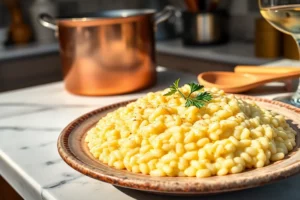
Brodo is the essential liquid for risotto, added ladleful by ladleful to coax starch from the rice. Risotto alla Milanese relies on beef brodo and saffron. Similarly, Pastina in Brodo is a beloved children’s dish of tiny pasta simmered in chicken brodo.
Sauces and Braises
Reduced brodo forms the base for sughi (meat sauces) and is used to deglaze pans for brasato (braised meats). A spoonful of concentrated brodo can elevate a simple pan sauce.
As a Beverage
In many Italian households, a cup of hot brodo is served as a restorative, especially during illness or cold weather. It is often accompanied by grated Parmesan and a drizzle of olive oil.
“Il brodo è la cucina della mamma: caldo, semplice, e pieno d’amore.” – Traditional Italian saying
How to Choose/Identify Authentic BRODO
For commercial buyers and home cooks seeking authentic Italian brodo, consider the following cues:
- Ingredient List: Authentic brodo should list meat, bones, or fish as the first ingredient, followed by vegetables (carrot, celery, onion) and herbs. Avoid products with MSG, artificial flavors, or excessive salt.
- Color and Clarity: Quality brodo is translucent, not cloudy. Beef brodo should be amber; chicken brodo, pale gold. Cloudiness indicates rapid boiling or poor skimming.
- Fat Content: A thin layer of fat on the surface is natural, but it should be easily removable. Pre-packaged brodo often has added fat or stabilizers.
- Packaging: Look for glass jars or Tetra Pak with clear labeling. Italian brands such as Star, Knorr (Italian line), or Buitoni offer shelf-stable brodo. Fresh brodo in refrigerated sections is preferable.
- Certifications: While no DOP exists, look for Prodotto in Italia or IGP for specific regional broths (e.g., Brodo di Carne dell’Emilia-Romagna may carry a regional certification).
For professional kitchens, making brodo from scratch is recommended. Use high-quality bones (e.g., ossobuco cuts) and follow the classic soffritto base (onion, carrot, celery) for depth.
Substitutes
When authentic brodo is unavailable, Italian cooks turn to these genuine substitutes:
- Brodo Granulare – Italian bouillon granules (e.g., Dado) made from dehydrated broth, salt, and herbs. Use sparingly as they are high in sodium. Dissolve in hot water for an instant broth.
- Brodo Concentrato – Concentrated liquid or paste (e.g., Concentrato di Brodo) that is diluted with water. It offers a more intense flavor than granules.
- Fumetto di Pesce – A quick fish stock made by simmering fish trimmings, white wine, and aromatics for 20 minutes. Ideal for seafood dishes.
- Brodo di Verdure Fai-da-Tè – Homemade vegetable broth using leftover vegetable peels and herbs. While not as rich as meat brodo, it works for vegetarian recipes.
Note that generic chicken or beef stock cubes from non-Italian brands often contain different seasoning profiles (e.g., celery salt, turmeric) and may alter the dish’s character. For authentic Italian flavor, stick to Italian-made substitutes.
Conclusion
Brodo is more than a simple broth; it is a testament to Italian culinary philosophy: transforming humble ingredients into something nourishing and flavorful. Whether used as a base for risotto, a soup for tortellini, or a warming drink, brodo embodies the essence of cucina povera. Understanding its types, production, and selection criteria empowers cooks to bring authentic Italian taste to their kitchens. For the finest results, always prioritize quality ingredients and traditional methods.
FAQ
What is the difference between brodo and stock?
Brodo is typically simmered for a shorter time (1–3 hours) to preserve a delicate, clear flavor, while stock is cooked longer (4–8 hours) to extract maximum gelatin and collagen, resulting in a thicker, richer liquid. Brodo is often seasoned and served as a soup base or beverage; stock is used as an ingredient in sauces and braises.
Can I buy authentic Italian brodo in the United States?
Yes, many Italian specialty stores and online retailers carry imported brodo in glass jars or Tetra Pak. Look for brands like Star, Knorr (Italian line), or Buitoni. For the most authentic flavor, consider making brodo from scratch using Italian ingredients.
Is brodo suitable for a vegetarian diet?
Yes, brodo vegetale (vegetable broth) is a common Italian preparation made from onions, carrots, celery, and herbs. It is naturally vegetarian and vegan if no animal products are added. However, traditional brodo di carne or brodo di pollo are not vegetarian.




Leave a Reply