
Short Answer
What It Is
Burro, the Italian word for butter, represents a culinary tradition that is deeply rooted in the country’s dairy heritage. Unlike the butter commonly found in Northern Europe, Italian butter is often produced from the cream derived from the whey of Parmigiano-Reggiano cheese production, giving it a distinctively sweet, nutty flavor and a pale yellow color. The most prestigious Italian butter is Burro di Parma DOP, which received Protected Designation of Origin status in 2014. This butter is made exclusively from the cream of cows raised in the provinces of Parma, Reggio Emilia, Modena, Bologna (left side of the Reno River), and Mantua (right side of the Po River). The production process involves churning the cream at a controlled temperature, followed by washing with cold water to remove residual buttermilk, resulting in a butter with a fat content of at least 82%.
Historically, butter in Italy was a byproduct of cheese making, particularly in the Po Valley region. The practice of using whey cream dates back centuries, and the resulting butter was prized for its keeping qualities and delicate flavor. Today, Burro di Parma DOP is recognized for its superior quality, with a smooth, spreadable texture and a clean, sweet taste that enhances both savory and sweet dishes.
Types & Grades
Italian butter is categorized by origin, production method, and aging. The following table outlines the main types:
| Type | Origin | Characteristics | Aging | Common Uses |
|---|---|---|---|---|
| Burro di Parma DOP | Emilia-Romagna, Lombardy | Sweet, nutty, pale yellow, 82%+ fat | Fresh (no aging) | Risotto, pasta, baking |
| Burro di Siena | Tuscany | Rich, creamy, slightly tangy | Fresh | Panforte, pastries |
| Burro di Montagna | Alpine regions (Lombardy, Trentino) | Intense yellow, herbaceous notes | Fresh or lightly aged | Spreading, cooking |
| Burro di Malga | High-altitude pastures | Deep yellow, floral, high fat | Seasonal (summer) | Table butter, finishing |
| Burro Salato | Various | Salted, often with sea salt | Fresh | Bread, savory dishes |
Grades are also determined by fat content: Burro Extra (minimum 82% fat) and Burro (minimum 80% fat). The DOP regulation mandates 82% for Burro di Parma. Cultured butter, made from fermented cream, is less common in Italy but exists in artisanal productions.
How It’s Used in Cooking
Italian butter is a cornerstone of both traditional and modern Italian cuisine. Its applications range from simple to complex:
Classic Dishes
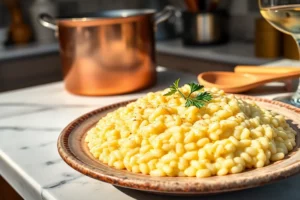
- Risotto alla Milanese: Butter is used for sautéing the rice and for the final mantecatura (creaming) with saffron and Parmigiano-Reggiano.
- Pasta al Burro e Salvia: A simple sauce of melted butter and fresh sage, often served with tortellini or gnocchi.
- Bistecca alla Fiorentina: A pat of butter is often placed on the grilled steak to melt and enrich the meat.
- Panettone: The traditional Christmas cake relies on butter for its rich, tender crumb.
- Sfogliatelle: Some versions use butter in the dough for flakiness.
Techniques
Italian chefs value butter for its ability to emulsify sauces, add shine to vegetables, and create a velvety mouthfeel. Burro fuso (melted butter) is drizzled over fish or vegetables, while burro nocciola (brown butter) is used for its nutty aroma in pasta and desserts.
“Il burro è il segreto della cucina italiana: dona cremosità e sapore senza coprire gli altri ingredienti.” – Anonymous Italian chef
How to Choose/Identify Authentic BURRO
When selecting authentic Italian butter, look for the following cues:
- DOP Label: For Burro di Parma, the DOP seal guarantees origin and quality. Check for the consortium’s logo.
- Color: Authentic Italian butter is pale yellow, not bright yellow (which may indicate added colorants).
- Fat Content: Minimum 82% for premium butter. Higher fat means less water and better performance in cooking.
- Texture: Should be smooth, spreadable at room temperature, without graininess.
- Origin: Look for “Prodotto in Italia” and specific regional indications.
- Packaging: Often wrapped in parchment paper or foil, with clear labeling.
Avoid butter that lists “vegetable oils” or “flavorings” – pure butter should contain only cream and possibly salt.
Substitutes
While no substitute perfectly replicates Italian butter, certain Italian ingredients can be used in specific contexts:
- Lardo di Colonnata: Cured pork fat, thinly sliced, can replace butter in some savory dishes for richness and flavor (e.g., on bread or in pasta).
- Olio d’Oliva Extra Vergine: A healthier alternative for sautéing or dressing, though it lacks butter’s creamy texture.
- Ghee (Burro Chiarificato): Clarified butter, used in Italian cooking for high-heat frying and for those with lactose intolerance. It has a nuttier flavor.
- Panna (Cream): In sauces, heavy cream can mimic butter’s richness, but it adds more liquid.
For authentic Italian recipes, using genuine Italian butter is recommended to achieve the intended flavor and texture.
In conclusion, Italian butter is not merely a fat but a product of terroir, tradition, and craftsmanship. From the DOP-protected Burro di Parma to the artisanal Burro di Malga, each variety offers a unique taste of Italy’s dairy heritage. Whether used in a classic risotto or a simple slice of bread, authentic Italian butter elevates dishes with its purity and flavor. Understanding its types, production, and proper selection ensures that you bring the best of Italian culinary tradition to your table.
FAQ
What makes Italian butter different from regular butter?
Italian butter, especially Burro di Parma DOP, is made from the cream of Parmigiano-Reggiano whey, giving it a unique sweet and nutty flavor. It also has a higher fat content (min 82%) and a pale yellow color without additives.
Is Burro di Parma worth the higher price?
Yes, for authentic Italian recipes, the DOP certification ensures quality, traceability, and a flavor profile that cannot be replicated by generic butters. It is particularly valued in risottos and pastries.
Can I use salted butter in Italian cooking?
While unsalted butter is traditional to control salt levels, salted Italian butter (burro salato) is used for spreading on bread. For cooking, unsalted is preferred to adjust seasoning.



Leave a Reply