

Short Answer
What It Is
The carota (Daucus carota subsp. sativus) is a root vegetable that has been cultivated in Italy for centuries, evolving into a cornerstone of the country’s gastronomic identity. While carrots are grown throughout the peninsula, several varieties have earned the prestigious Protected Geographical Indication (PGI) status from the European Union, guaranteeing their origin, quality, and traditional production methods.
Among the most celebrated are:
- Carota dell’Altopiano del Fucino PGI – Grown in the Fucino plain of Abruzzo, this carrot is known for its intense orange color, sweet flavor, and crisp texture. The region’s high altitude, mineral-rich soil, and significant temperature swings between day and night contribute to its exceptional sugar content and firmness.
- Carota di Polignano PGI – Cultivated along the Adriatic coast of Puglia, this variety is characterized by its bright orange-red hue, tender flesh, and a distinctive sweet, slightly earthy taste. The sandy, well-drained soils and mild coastal climate allow for a long growing season, resulting in carrots with a high concentration of carotenoids.
- Carota Novella di Ispica PGI – Hailing from the Ispica region in Sicily, this early-season carrot is harvested in late winter and early spring. It is prized for its delicate sweetness, thin skin, and tender core, making it ideal for raw consumption. The unique microclimate of the Ispica valley, with its mild winters and abundant sunshine, gives this carrot its characteristic flavor.
Beyond these PGI varieties, Italy boasts numerous heirloom and regional carrots, including purple, yellow, and white types, each with its own historical and culinary significance. The production methods emphasize sustainable agriculture, often with minimal irrigation and natural pest control, reflecting the Italian commitment to terroir and quality.
Types & Grades
Italian carrots are classified by variety, size, and intended use. The following table summarizes the main PGI types and their characteristics:
| Variety | Region | Color | Flavor Profile | Best Uses |
|---|---|---|---|---|
| Carota dell’Altopiano del Fucino PGI | Abruzzo | Deep orange | Sweet, crunchy, slightly earthy | Raw in salads, roasting, juicing |
| Carota di Polignano PGI | Puglia | Orange-red | Sweet, tender, with a hint of spice | Raw, steaming, braising |
| Carota Novella di Ispica PGI | Sicily | Pale orange | Delicate, very sweet, low fiber | Raw, light cooking, baby food |
In addition to these, carrots are often graded by size:
- Baby carrots – harvested early, tender, and sweet; often used whole in salads or as a snack.
- Standard carrots – the most common size, versatile for all cooking methods.
- Large carrots – sometimes used for grating, stocks, or roasting; can be woodier if overgrown.
Color variations also exist, such as purple carrots (rich in anthocyanins), yellow carrots (mild and buttery), and white carrots (less sweet, more earthy). These are often found in farmers’ markets or specialty stores.
How It’s Used in Cooking
The carota is a fundamental ingredient in Italian cuisine, appearing in dishes from antipasti to desserts. Its natural sweetness and versatility make it indispensable.
In the Soffritto
Carrots, together with onion and celery, form the classic soffritto – the aromatic base for countless Italian sauces, soups, and stews. Finely diced carrots are gently sautéed in olive oil to release their sugars and create a foundation of flavor for ragù, minestrone, and brodo.
As a Contorno (Side Dish)
Carrots are often served as a contorno, simply boiled or steamed and dressed with olive oil, salt, and lemon. A more elaborate preparation is carote al forno (roasted carrots) with herbs like rosemary and thyme, or carote in agrodolce (sweet-and-sour carrots) with vinegar and honey.
In Pasta and Gnocchi
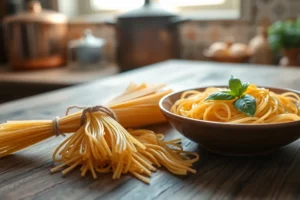
Grated carrots are incorporated into fresh pasta dough, adding color and subtle sweetness. Gnocchi di carote are a specialty in some regions, where mashed carrots are mixed with potato and flour to create vibrant, tender dumplings. Carrot ribbons are also used as a low-carb alternative to pasta.
In Desserts
Italian carrot cake (torta di carote) is a classic, often made with almonds, pine nuts, and a dusting of powdered sugar. Carrots also appear in jams, marmalades, and even gelato, where their natural sweetness reduces the need for added sugar.
“La carota è la regina dell’orto: dolce, versatile, e capace di trasformare un piatto semplice in un capolavoro.” – Traditional Italian saying
How to Choose/Identify Authentic CAROTA
For chefs and home cooks seeking the finest Italian carrots, authenticity is key. Follow these guidelines:
- Look for PGI labels – The official EU PGI logo on the packaging guarantees that the carrots come from the designated region and meet strict quality standards. For example, Carota dell’Altopiano del Fucino PGI will have a label with the product name and the PGI symbol.
- Check the appearance – Authentic Italian carrots have a uniform color, firm texture, and fresh green tops (if attached). Avoid carrots that are limp, cracked, or have black spots.
- Smell and taste – Fresh carrots should have a clean, earthy aroma. A sweet, crisp taste indicates high sugar content and proper handling.
- Seasonality – While carrots are available year-round, the best Italian varieties are harvested in their natural season. For instance, Carota Novella di Ispica is at its peak in late winter to early spring.
- Source from reputable suppliers – Purchase from Italian specialty stores, farmers’ markets, or online retailers that directly import from the PGI regions. Ask for documentation if needed.
Substitutes
When an authentic Italian carrot is unavailable, these substitutes can be used, though they will alter the flavor profile:
- Pastinaca (parsnip) – Similar in texture and sweetness, parsnips are a common substitute in soups and roasts. They have a more pronounced earthy, nutty flavor.
- Sedano rapa (celeriac) – Offers a mild celery-like taste with a creamy texture when cooked. Use in soffritto or purees, but note it lacks the sweetness of carrot.
- Zucca (pumpkin or squash) – For sweet applications like gnocchi or desserts, pumpkin provides a similar sweetness and color, though the texture is softer.
- Barbabietola (beetroot) – In salads or roasted dishes, beetroot adds sweetness and a vibrant color, but its earthy flavor is more intense.
For the most authentic results, always try to source the specific Italian carrot variety called for in a recipe. The PGI carrots are worth seeking out for their superior taste and cultural significance.
Conclusion
The carota is far more than a simple root vegetable in Italian cuisine; it is a symbol of regional diversity, agricultural excellence, and culinary tradition. From the protected PGI varieties of Fucino, Polignano, and Ispica to the heirloom colors found in local markets, Italian carrots offer a spectrum of flavors and textures that elevate any dish. By understanding how to choose, use, and substitute these carrots, cooks can bring a taste of Italy to their kitchens with confidence.
FAQ
What makes Italian PGI carrots different from regular carrots?
Italian PGI carrots are grown in specific regions under strict traditional methods that enhance their flavor, texture, and nutritional profile. For example, Carota dell'Altopiano del Fucino benefits from the mineral-rich soil and temperature swings of the Fucino plain, resulting in a sweeter, crunchier carrot. The PGI label guarantees authenticity and traceability.
Can I use any carrot for making soffritto?
Yes, any carrot can be used for soffritto, but Italian PGI varieties like Carota di Polignano or Carota dell'Altopiano del Fucino will provide a deeper sweetness and more complex flavor. For the most authentic Italian dishes, sourcing these carrots is recommended.
How should I store fresh Italian carrots to maintain their quality?
Remove the green tops (which draw moisture from the root) and store the carrots in a perforated plastic bag in the refrigerator's crisper drawer. They will stay fresh for up to two weeks. For longer storage, blanch and freeze them.

Leave a Reply