
Short Answer
Chitarrine is a distinctive pasta shape that embodies the rustic ingenuity of Abruzzo’s culinary tradition. Its name derives from the chitarra (guitar), a wooden tool strung with metal wires that cuts the pasta into square strands. Unlike common round spaghetti, chitarrine has a square cross-section, which gives it a unique texture and sauce-holding ability. This article explores the history, production, culinary applications, and authenticity markers of chitarrine, offering a comprehensive guide for chefs, home cooks, and food enthusiasts.
What It Is
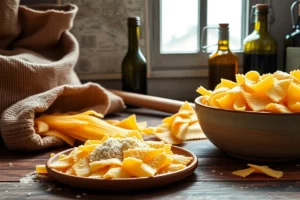
Chitarrine is a long, thin pasta with a square cross-section, traditionally made in the Abruzzo region of central Italy. It is produced from a simple dough of durum wheat semolina and water—no eggs are used in the classic version. The dough is rolled out into a thin sheet, then placed on the chitarra, a wooden frame strung with parallel metal wires. A rolling pin is passed over the dough, pressing it through the wires to create uniform square strands. This method dates back to the 19th century, when it was a common household technique in Abruzzo’s rural communities.
Chitarrine is recognized as a Prodotto Agroalimentare Tradizionale (PAT) by the Italian Ministry of Agricultural Policies, acknowledging its deep roots in local gastronomy. However, it does not hold a DOP or PGI status. The pasta is typically dried slowly at low temperatures to preserve its flavor and texture. Artisanal producers in towns like Scanno and Sulmona continue to make chitarrine by hand, using bronze dies to create a rough, porous surface that clings to sauces.

Types & Grades
While chitarrine does not have formal aging grades like some cheeses or cured meats, variations exist based on production method, ingredients, and drying time. The following table outlines the main types:
| Type | Description | Best Use |
|---|---|---|
| Fresh Chitarrine | Made and consumed within a day or two; soft, delicate texture. | Quick sauces, light vegetables, or simply with olive oil and garlic. |
| Dried Artisanal Chitarrine | Slow-dried at low temperatures; rough surface from bronze dies; aged 1–2 months for deeper flavor. | Hearty ragù, lamb stew, or robust tomato sauces. |
| Whole Wheat Chitarrine | Made with whole durum wheat semolina; nuttier flavor, higher fiber. | Pair with earthy sauces like mushroom or kale. |
| Flavored Chitarrine | Infused with local ingredients such as saffron, chili, or herbs. | Enhances simple preparations; saffron pairs well with butter and cheese. |
Industrial versions often use Teflon dies, resulting in a smoother surface that does not hold sauce as well. For authentic texture, look for bronze-drawn chitarrine.
How It’s Used in Cooking
Chitarrine’s square shape and porous texture make it ideal for sauces that cling to every strand. Traditional Abruzzese dishes include:
- Chitarra all’Abruzzese: A simple sauce of fresh tomatoes, basil, and grated pecorino cheese.
- Chitarrine con Ragù d’Agnello: A slow-cooked lamb ragù, often flavored with rosemary and garlic.
- Chitarrine Aglio e Olio: Garlic, olive oil, and chili flakes—a classic that highlights the pasta’s texture.
- Chitarrine con Zucchine e Mentuccia: Sautéed zucchini and wild mint, a summer favorite.
Fresh chitarrine cooks in 3–4 minutes, while dried takes 8–10 minutes. Always cook in abundantly salted water and reserve some pasta water to adjust sauce consistency. The pasta’s square edges provide a slight chewiness that contrasts with tender sauces.
“La chitarra è lo strumento che dà voce alla pasta.” — Traditional Abruzzese saying, meaning “The guitar is the instrument that gives voice to the pasta.”
How to Choose/Identify Authentic CHITARRINE
When purchasing chitarrine, consider these authenticity cues:
- Ingredients: Only durum wheat semolina and water. No eggs, no additives.
- Production Method: Look for “bronze-drawn” or “trafilata al bronzo” on the package. This indicates a rough surface.
- Appearance: The strands should have a clear square cross-section, not rounded edges. Color should be a warm amber from the semolina.
- Origin: Ideally from Abruzzo. Check for the PAT logo or mention of “Prodotto Tradizionale Abruzzese”.
- Texture: When dry, the pasta should feel slightly rough, not slippery. After cooking, it should retain a firm bite (al dente).
- Price: Artisanal chitarrine costs more than industrial spaghetti, reflecting the labor-intensive process.
Avoid products labeled simply “spaghetti” that are square-cut but not made with the chitarra method. True chitarrine is a specialty item.
Substitutes
If chitarrine is unavailable, several Italian pasta shapes can approximate its qualities:
- Spaghetti: The most common substitute, but round shape holds less sauce. Use for light oil-based sauces.
- Linguine: Slightly wider and flatter, good for seafood or pesto.
- Fettuccine: Ribbon-shaped, better for creamy sauces but lacks the square edges.
- Bucatini: Hollow center, provides a different texture but works with robust ragù.
- Perciatelli: Similar to bucatini but thinner; a decent alternative for meat sauces.
For the closest match in texture, choose a bronze-drawn spaghetti and cook it slightly underdone to mimic the chewiness of chitarrine. However, no substitute fully replicates the unique sauce-clinging properties of the square shape.
In conclusion, chitarrine is a remarkable pasta that showcases Abruzzo’s artisanal heritage. Its square cross-section, achieved through the traditional chitarra, offers a distinct culinary experience. Whether you enjoy it with a simple aglio e olio or a hearty lamb ragù, choosing authentic, bronze-drawn chitarrine ensures the best flavor and texture. By understanding its history and production, you can appreciate this pasta as more than just a shape—it is a piece of Italian culture.
FAQ
What is chitarrine pasta?
Chitarrine is a long, thin pasta with a square cross-section, traditionally made in Abruzzo, Italy. It is produced by pressing dough through a chitarra (guitar-like tool) strung with metal wires. The pasta is made from durum wheat semolina and water, and is known for its rough texture that holds sauces well.
How is chitarrine different from spaghetti?
While both are long thin pastas, chitarrine has a square cross-section, whereas spaghetti is round. The square shape gives chitarrine a firmer bite and a larger surface area for sauce to cling to. Additionally, chitarrine is traditionally made with a chitarra, while spaghetti is extruded through dies.
What sauce goes best with chitarrine?
Chitarrine pairs well with both simple and hearty sauces. Traditional Abruzzese recipes include tomato and pecorino, lamb ragù, garlic and oil (aglio e olio), and sautéed zucchini with mint. Its rough texture makes it ideal for meat-based ragù and vegetable sauces.
Can I make chitarrine at home?
Yes, with a chitarra tool and a pasta dough of durum wheat semolina and water. Roll the dough into a thin sheet, place it on the chitarra, and roll a pin over it to cut the strands. Fresh chitarrine cooks in 3–4 minutes. Without a chitarra, you can cut the dough into square strips by hand, but the texture will differ.
Leave a Reply