
Short Answer
What Is Cena? Italian Dinner Explained
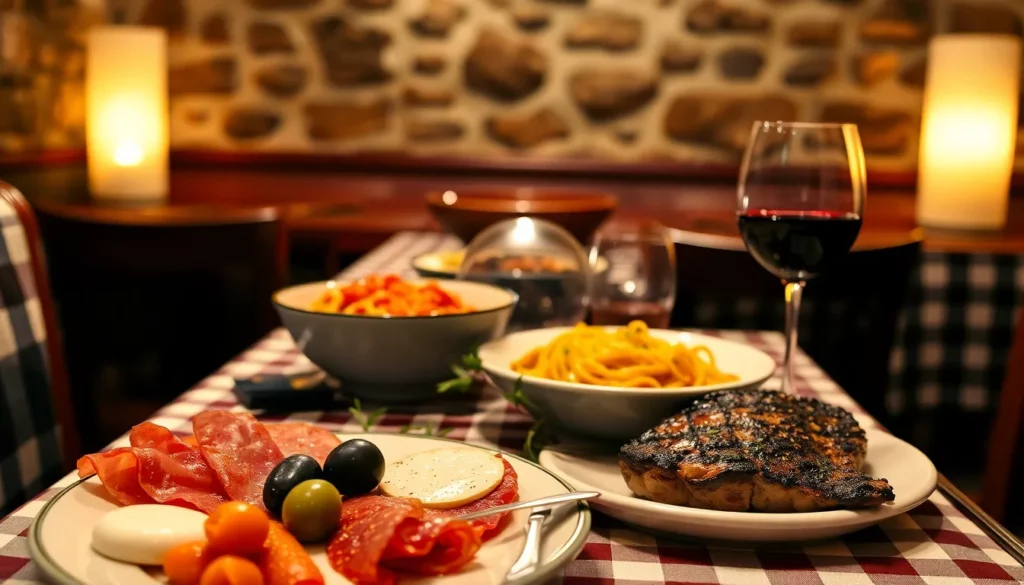
Cena is the Italian word for dinner, the main evening meal in Italy. Unlike the lighter “merenda” (afternoon snack) or the midday “pranzo”, cena is a leisurely affair that often comprises multiple courses: antipasto (starter), primo (first course, usually pasta or soup), secondo (second course, meat or fish), contorno (side dish), and dolce (dessert). While the structure varies by region and occasion, cena is deeply rooted in Italian social life, emphasizing family, conversation, and high-quality seasonal ingredients. It is not a single dish but a meal format that reflects Italy’s diverse culinary heritage.
Origin & History
The concept of cena dates back to ancient Rome, where the “cena” was the main meal of the day, typically eaten in the late afternoon. Over centuries, the timing shifted to evening, and the meal evolved through the Middle Ages and Renaissance, influenced by trade, agriculture, and foreign dominations. In modern Italy, cena became a family-centered ritual, especially after the economic boom of the 1950s, when longer workdays moved the meal to later hours. Regional differences emerged based on local produce: coastal areas favor seafood, while inland regions rely on meats and cheeses. The tradition of multiple courses was codified in the 19th century by Pellegrino Artusi’s cookbook “La Scienza in Cucina e l’Arte di Mangiar Bene”.
What’s In It
A typical cena includes several courses, but not all are mandatory. Core components:
- Antipasto: cured meats, cheeses, olives, bruschetta, or marinated vegetables.
- Primo: pasta, risotto, gnocchi, or soup (e.g., minestrone).
- Secondo: meat (grilled, roasted, or braised) or fish, often simply prepared.
- Contorno: vegetables like sautéed spinach, roasted potatoes, or caponata.
- Dolce: dessert such as tiramisù, panna cotta, or fresh fruit.
- Caffè: espresso, often served after the meal.
- Digestivo: a small glass of liqueur like limoncello or grappa.
Wine is almost always present, chosen to complement the courses. Unlike American dinners, cena is not a single plated dish but a sequence of small portions.
Regional Variations
Cena differs significantly across Italy. Below is a comparison of three major regions:
| Region | Typical Primo | Typical Secondo | Typical Contorno | Dolce |
|---|---|---|---|---|
| Naples (Campania) | Spaghetti alle vongole | Parmigiana di melanzane | Insalata di rinforzo | Pastiera napoletana |
| Rome (Lazio) | Carbonara or Cacio e Pepe | Saltimbocca alla romana | Carciofi alla giudia | Tiramisù |
| Sicily | Pasta alla Norma | Pesce spada alla ghiotta | Caponata | Cannoli |
In the north, cena might include polenta and braised meats; in coastal areas, seafood dominates. Even the timing varies: southern Italians often eat later (9-10 PM) than northerners (7:30-8:30 PM).
How It’s Traditionally Eaten
Cena is typically the last meal of the day, served between 7:30 PM and 10 PM. It is a social event: families gather, conversation flows, and the meal progresses slowly. Courses are served sequentially, not all at once. Bread is always on the table, used to “fare la scarpetta” (soak up sauces). Wine is drunk throughout, and water is essential. On special occasions like Christmas Eve (La Vigilia) or Ferragosto, cena becomes a feast with multiple courses and traditional dishes. Everyday cena is simpler, often just a primo and contorno, or a one-dish meal like pizza or frittata.
Common Mistakes / What It’s Not
Many misconceptions arise from American-Italian adaptations. Cena is not a heavy, oversized platter of pasta with meat sauce; it is a balanced sequence of smaller courses. It is not a quick meal – Italians spend at least an hour at the table. It is not acceptable to skip courses or ask for substitutions; the menu is respected. Also, cena is not the same as “pranzo” (lunch); lunch is often lighter and faster. Avoid ordering cappuccino after a meal – it is considered a morning drink. Finally, cena is not a single dish; it is a meal structure.
Where to Try It / What to Order
To experience authentic cena, visit a traditional “trattoria” or “osteria” in Italy. In Rome, try “Da Enzo al 29” for a classic Roman cena. In Naples, “Trattoria da Nennella” offers a lively evening meal. In Sicily, “Osteria dei Vespri” in Palermo provides a refined cena. When ordering, ask for the “menu degustazione” (tasting menu) to sample multiple courses. For a home-style experience, book a “cena in casa” experience through local hosts. Avoid tourist traps that serve pre-made meals. Always start with an antipasto and let the meal unfold naturally.
Related Dishes
- Pranzo: Italian Lunch Traditions
- Antipasto: The Art of Italian Starters
- Primo: First Courses in Italian Cuisine
- Secondo: Main Courses in Italian Meals
- Dolce: Italian Desserts
FAQ
What is the difference between cena and pranzo?
Cena is the evening meal, pranzo is lunch. Cena is often more elaborate and social, while pranzo is lighter and quicker.
What time is cena in Italy?
Typically between 7:30 PM and 10 PM, with southern Italians eating later (9-10 PM) than northerners (7:30-8:30 PM).
Is cena a specific dish?
No, cena is the evening meal format, consisting of multiple courses like antipasto, primo, secondo, contorno, and dolce.
Can I order cappuccino after cena?
No, cappuccino is a morning drink; espresso is the appropriate after-dinner coffee.
What is a typical cena menu?
A typical cena includes antipasto (starters), primo (pasta or soup), secondo (meat or fish), contorno (vegetables), dolce (dessert), caffè (espresso), and digestivo (liqueur).


Leave a Reply