
Short Answer
What It Is
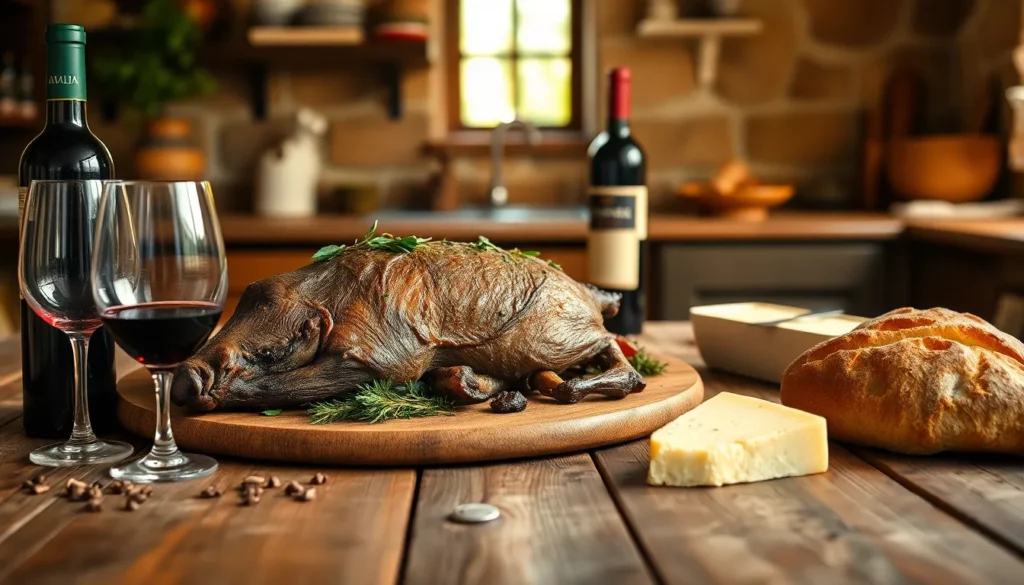
Cinghiale (Sus scrofa) is the Italian term for wild boar, a game animal that has roamed the Italian peninsula since antiquity. Unlike domesticated pork, Cinghiale is leaner, darker, and possesses a pronounced gamey flavor derived from its natural diet of acorns, chestnuts, roots, and small fauna. The meat is deeply embedded in Italy’s culinary traditions, particularly in central regions such as Tuscany, Umbria, Lazio, and the island of Sardinia.
While fresh Cinghiale meat does not hold a DOP (Denominazione di Origine Protetta) status, several regional products have earned PGI (Indicazione Geografica Protetta) recognition. The most notable is Cinghiale della Maremma (PGI), which applies to fresh meat from wild boar hunted in the Maremma area of southern Tuscany. Additionally, Cinghiale del Chianti (PGI) covers cured salumi made from boar raised in the Chianti region. These certifications guarantee that the animals are sourced from specific territories and processed according to traditional methods, ensuring traceability and quality.
Historically, Cinghiale was a staple of the rural diet, often prepared by hunters and their families. The meat was preserved through salting, smoking, and aging to last through the winter months. Today, it is celebrated in both rustic home cooking and high-end gastronomy, with a growing demand for ethically sourced, wild game.
Types & Grades
Cinghiale is available in several forms, each suited to different culinary applications. The classification depends on the cut, the age of the animal, and the processing method. Below is a table summarizing the primary types and grades.
| Type | Description | Typical Aging | Common Uses |
|---|---|---|---|
| Fresh Cinghiale (young) | Meat from boar under 2 years; tender, mild gamey flavor | 3–7 days | Roasts, steaks, grilling |
| Fresh Cinghiale (adult) | Meat from older boar; stronger flavor, tougher texture | 5–10 days | Braising, stewing, ragù |
| Prosciutto di Cinghiale | Dry-cured hind leg; aged for 12–24 months | 12–24 months | Antipasto, charcuterie boards |
| Salame di Cinghiale | Fermented and dried sausage; often spiced with fennel or chili | 2–6 months | Antipasto, sandwiches |
| Lardo di Cinghiale | Cured back fat; aged for 6–12 months | 6–12 months | Thin slices on bread, melted over dishes |
| Bresaola di Cinghiale | Air-dried, salted whole muscle (usually loin or eye of round) | 3–6 months | Antipasto, salads |
Within each category, quality grades are determined by the animal’s diet, the hunting method (free-range vs. farmed), and the skill of the butcher. The highest-grade Cinghiale comes from wild, free-roaming populations in protected forests, where the animals feed on a natural mast of acorns and chestnuts, imparting a nutty, complex flavor.
How It’s Used in Cooking
Cinghiale is a versatile ingredient that shines in both traditional and modern Italian cooking. Its lean, robust meat benefits from slow, moist-heat methods that break down connective tissue and meld flavors. Below are the most iconic applications.
Ragù di Cinghiale
The quintessential Tuscan sauce, Ragù di Cinghiale is a slow-simmered meat sauce made with red wine, tomatoes, garlic, rosemary, and juniper berries. The boar is typically cut into small pieces or ground, then cooked for 2–3 hours until tender. It is served with pappardelle (wide egg noodles) or polenta. The sauce’s depth comes from the gamey meat and the aromatic herbs that cut through the richness.
Arrosto di Cinghiale
Roasted wild boar is a festive dish, often marinated overnight in red wine, vinegar, and herbs to tenderize and mellow the gamey flavor. The roast is cooked low and slow (150°C/300°F) until fork-tender, then served with roasted vegetables and a reduction of the marinade.
Salumi di Cinghiale
Cured meats like prosciutto, salame, and bresaola are prized for their concentrated flavor. They are typically sliced thin and served as part of an antipasto platter with aged cheeses, olives, and crusty bread. The aging process intensifies the umami and adds a pleasant tang.
Spezzatino di Cinghiale
A hearty stew made with chunks of boar, potatoes, carrots, and celery, simmered in a tomato-based broth with red wine and bay leaves. This dish is common in the Apennine regions and is often accompanied by crusty bread or soft polenta.
Pasta al Sugo di Cinghiale
In Umbria and Lazio, a simpler sauce is made by browning boar pieces with pancetta, then deglazing with white wine and adding tomato passata. The sauce is served with pici (thick hand-rolled spaghetti) or gnocchi.
“Il cinghiale è il re della cucina di bosco: selvatico, generoso, e capace di raccontare la terra da cui proviene.” – Anonimo cuoco toscano
How to Choose/Identify Authentic CINGHIALE
When purchasing Cinghiale, whether fresh or cured, look for the following authenticity cues to ensure you are getting a genuine product that respects Italian traditions.
- PGI or DOP Labels: For fresh meat, seek the Cinghiale della Maremma PGI logo. For cured products, look for Cinghiale del Chianti PGI. These labels guarantee origin and production standards.
- Color and Texture: Fresh Cinghiale meat is deep red to purplish, with a firm, fine-grained texture. The fat is creamy white and should be sparse. Avoid meat that is pale or has excessive, soft fat, which may indicate crossbreeding with domestic pigs.
- Smell: Authentic wild boar has a distinct, earthy aroma – gamey but not overpowering. A strong ammonia or sour smell indicates poor handling or age.
- Source and Traceability: Purchase from reputable butchers or specialty Italian grocers who can provide information about the hunting area or farm. In Italy, wild boar must be tagged with a health mark from the local health authority (ASL).
- Packaging: For cured meats, check the ingredient list. Authentic prosciutto di Cinghiale should contain only pork (boar), salt, and possibly spices – no nitrates or artificial preservatives if traditional.
- Price: Genuine wild boar is more expensive than domestic pork due to the difficulty of hunting and lower yield. Extremely cheap products are likely mixed with pork or farmed boar of lower quality.
Substitutes
If Cinghiale is unavailable, several Italian substitutes can be used, each offering a different but complementary flavor profile.
- Maiale Nero (Black Pig): The Nero Siciliano or Nero di Parma breeds produce dark, flavorful meat with a higher fat content. They are excellent for ragù and roasts, though less gamey.
- Chianina Beef: This Tuscan breed yields lean, tender meat with a robust flavor. It works well in stews and sauces, especially when combined with red wine and herbs to mimic the gamey notes.
- Agnello (Lamb): For a stronger, slightly gamey alternative, lamb shoulder or leg can be used in braised dishes. The fat content is higher, so adjust cooking times.
- Coniglio (Rabbit): Rabbit meat is lean and mild, but can be marinated with juniper and rosemary to approximate the flavor of Cinghiale. It is best in stews and ragù.
When substituting, consider adding a splash of red wine vinegar or a pinch of juniper berries to the recipe to replicate the characteristic wild boar tang.
Conclusion
Cinghiale is more than just a game meat; it is a symbol of Italy’s deep connection to its forests and rural traditions. From the PGI-certified boar of Maremma to the artisanal salumi of Chianti, every product tells a story of terroir and craftsmanship. Whether you are preparing a slow-cooked ragù for a Sunday dinner or assembling a charcuterie board with aged prosciutto, understanding the nuances of Cinghiale will elevate your cooking and deepen your appreciation for Italian gastronomy. Choose authentic, source responsibly, and let the wild flavor of the Italian woods transform your table.
FAQ
What is the difference between Cinghiale and domestic pork?
Cinghiale is leaner, darker, and has a stronger gamey flavor due to its wild diet and active lifestyle. Domestic pork is fattier, milder, and lighter in color.
Is Cinghiale DOP certified?
Fresh Cinghiale meat is not DOP, but there are PGI certifications for specific regional products: Cinghiale della Maremma (fresh meat) and Cinghiale del Chianti (cured salumi).
How should I cook Cinghiale to avoid toughness?
Slow cooking methods like braising, stewing, or marinating are recommended to tenderize the lean meat and enhance its flavor. A long, gentle simmer in liquid (wine, broth, tomatoes) breaks down connective tissue.
Can I substitute Cinghiale with regular pork in recipes?
Yes, but the flavor will be milder. To approximate the gamey taste, add juniper berries, rosemary, and a splash of red wine vinegar. Alternatively, use lamb or rabbit for a closer match.



Leave a Reply