
Short Answer
What It Is
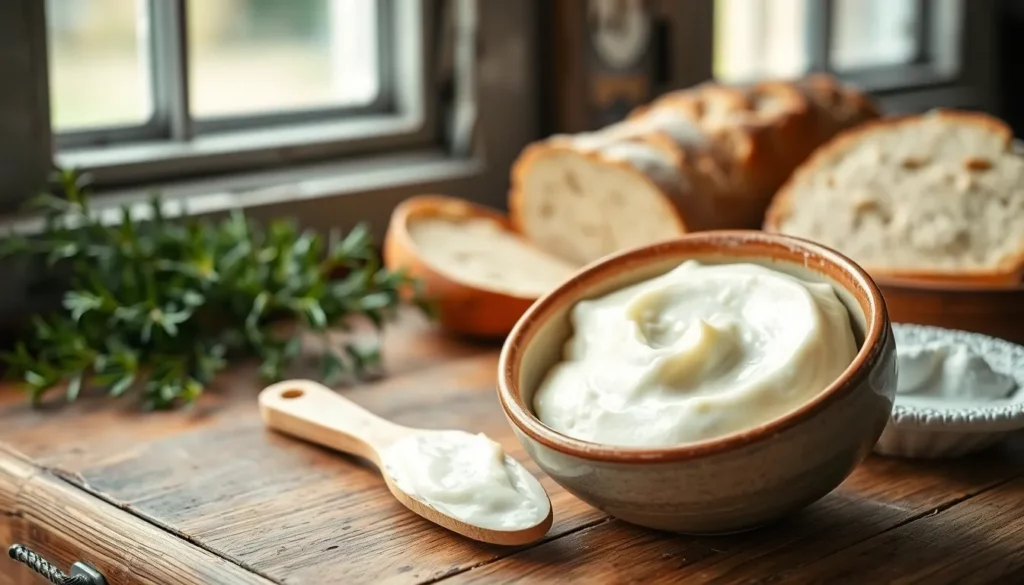
Strutto (pronounced STROOT-toh) is the Italian word for rendered pork fat, a fundamental ingredient in many regional cuisines across the Italian peninsula. Unlike butter or vegetable oils, Strutto is prized for its high smoke point (around 190–200°C / 375–400°F) and its ability to impart a subtle, savory richness to both savory and sweet dishes. The production of Strutto involves slowly melting pork fat—typically from the back, belly, or leaf fat (the fat around the kidneys)—and then filtering it to remove any solid impurities. The result is a pure, semi-solid fat that is white or pale ivory in color, with a mild pork aroma.
While Italy does not have a specific DOP (Denominazione di Origine Protetta) or IGP (Indicazione Geografica Protetta) designation for generic Strutto, certain regional lard products are protected. For example, Lardo di Colonnata DOP is a cured fatback from the marble quarries of Tuscany, but it is not rendered. True Strutto is often produced in small batches by artisan butchers and salumieri, especially in the northern regions of Lombardy, Emilia-Romagna, and Veneto, where pork fat has historically been abundant. The quality of Strutto depends heavily on the pig’s diet, breed, and the rendering technique.
“Strutto is the soul of Italian home cooking—a fat that carries the memory of the pig and the land it came from.” – Traditional Italian butcher’s saying
Types & Grades
Strutto is not a monolithic product; it varies in quality and source. The following table outlines the main types and grades available in the Italian market:
| Type | Source of Fat | Characteristics | Best Use |
|---|---|---|---|
| Artisanal Strutto | Leaf fat (sugna) or back fat from heritage breeds (e.g., Cinta Senese, Mora Romagnola) | Rich, creamy texture; pale ivory color; delicate pork aroma; often organic or pasture-raised | Frying, pastry, fine sauces |
| Industrial Strutto | Mixed fat sources, often from standard white pigs | Neutral flavor; firmer texture; may contain additives or preservatives | Everyday frying, bulk cooking |
| Organic Strutto | Certified organic pork fat | Similar to artisanal but with organic certification; no antibiotics or hormones | Health-conscious cooking, baking |
| Flavored Strutto | Any base fat, infused with herbs, garlic, or spices | Added aromatics; used for specific regional dishes (e.g., with rosemary in Tuscany) | Basting, roasting, spreading on bread |
In addition, some producers age their Strutto for a few weeks to develop a deeper flavor, though this is rare. The highest grade is often labeled Strutto di Sugna (leaf lard), which is the most prized for its smoothness and neutral taste.
How It’s Used in Cooking
Strutto is a versatile fat that appears in both savory and sweet Italian recipes. Its high smoke point makes it ideal for deep-frying, while its solid consistency at room temperature is perfect for creating flaky pastry doughs.
Traditional Savory Applications
- Pasta all’Amatriciana – The guanciale (cured pork cheek) is often cooked in a little Strutto to render its fat and build the sauce base.
- Risotto – A spoonful of Strutto can replace butter for a richer, more savory start to the risotto.
- Frittura Mista – Mixed fried seafood or vegetables are often fried in Strutto for a crisp, golden crust.
- Bruschetta al Lardo – While not Strutto, the concept of spreading rendered fat on bread is similar; some regions use Strutto as a spread with herbs.
- Polenta – Stirring in a knob of Strutto at the end adds creaminess and flavor.
Sweet and Baked Goods
- Pasta Frolla – Traditional Italian shortcrust pastry for crostate and biscotti often uses Strutto instead of butter for a more tender, less greasy crumb.
- Panettone – Some artisanal versions include Strutto in the dough for moisture and shelf life.
- Ciambelle – Ring-shaped doughnuts fried in Strutto are a classic street food in central Italy.
“In the Veneto, we say that a good risotto must be mantecato with Strutto, not butter—it gives a silkiness that no other fat can match.” – Chef Giancarlo Morelli
How to Choose/Identify Authentic Strutto
When purchasing Strutto, especially for professional or high-end home cooking, look for these authenticity cues:
- Color and Texture – Authentic artisanal Strutto is a soft, creamy white to pale ivory. It should be spreadable at room temperature, not grainy or overly hard. Industrial versions may be whiter but often have a waxy texture.
- Aroma – It should smell clean and mildly porky, with no rancid or chemical notes. A fresh, sweet scent indicates high-quality fat.
- Packaging – Look for labels that specify “Prodotto in Italia” (Produced in Italy) and ideally the region of origin. Vacuum-sealed blocks or jars are common. Avoid products with long lists of additives.
- Certifications – While no DOP exists for Strutto, look for IGP indications if the fat comes from a protected pig breed (e.g., Suino Nero dei Nebrodi). Organic certification (EU Organic leaf) is a plus.
- Source – Buy from reputable Italian salumerie or specialty food stores. Ask if the Strutto is made from leaf fat (sugna) or back fat; leaf fat is superior.
For commercial buyers, request a certificate of analysis showing free fatty acid content and peroxide value—low numbers indicate freshness.
Substitutes
If Strutto is unavailable, several Italian alternatives can be used, each with its own characteristics:
- Lardo (cured fatback) – Not rendered, but can be finely diced and rendered in the pan for similar flavor. Best for sauces and sautéing.
- Pancetta fat – Rendered pancetta fat (from the belly) adds a smoky, salty note. Ideal for pasta dishes like carbonara or amatriciana.
- Olive oil – A staple in southern Italian cooking, but with a lower smoke point and distinct fruity flavor. Use for sautéing vegetables or in place of Strutto in some baked goods (though texture will differ).
- Butter – Common in northern Italian cuisine, but burns more easily. Use clarified butter (ghee) for frying; for pastry, butter can replace Strutto but yields a less tender crumb.
- Vegetable shortening – Not traditional, but can mimic the texture of Strutto in baking. Avoid for authentic Italian dishes.
When substituting, consider the dish’s regional origin: northern Italian recipes often tolerate butter, while central and southern ones prefer olive oil or lard.
Conclusion
Strutto is more than just a cooking fat—it is a repository of Italian culinary tradition, from the rustic kitchens of Emilia-Romagna to the pastry shops of Lombardy. Understanding its production, grades, and uses allows chefs and home cooks alike to harness its unique properties. Whether you are frying a perfect batch of fritto misto or crafting a tender crostata, choosing authentic Strutto elevates the dish with a depth of flavor that no substitute can fully replicate. Seek out artisanal producers, respect the ingredient, and let Strutto bring a taste of Italy to your table.
FAQ
What is the difference between Strutto and Lardo?
Strutto is rendered pork fat (melted and filtered), while Lardo is cured fatback that is not rendered. Lardo is typically sliced thin and eaten raw or used in cooking, whereas Strutto is a cooking fat similar to butter or shortening.
Can I use Strutto instead of butter in baking?
Yes, Strutto can replace butter in many baked goods, especially for flaky pastries like crostata or biscotti. It produces a more tender crumb and a less greasy texture. Use a 1:1 substitution by weight, but note that Strutto has a higher fat content and less water, so you may need to adjust liquid ingredients slightly.
Is Strutto healthy?
Strutto is high in saturated fat, but it contains monounsaturated fats and vitamin D. In moderation, it can be part of a balanced diet. Artisanal Strutto from pasture-raised pigs may have a better fatty acid profile. It is also free of trans fats and artificial additives.


Leave a Reply