
Short Answer
What It Is
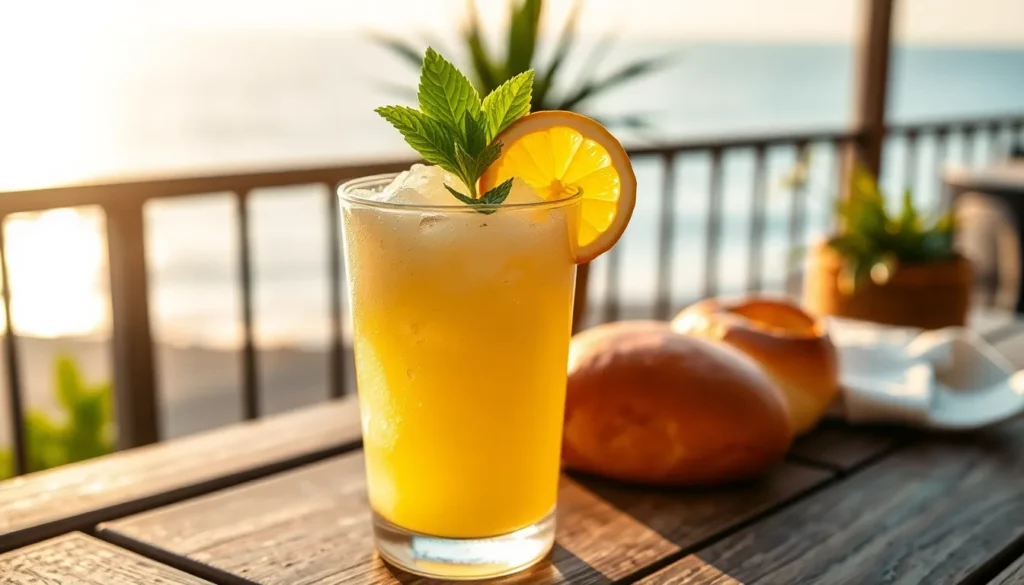
Granita is a semi-frozen dessert originating from Sicily, Italy, renowned for its distinctive crystalline texture. Unlike ice cream or sorbet, granita is produced by slowly freezing a mixture of water, sugar, and natural flavorings while periodically scraping and stirring the mixture to break up ice crystals. This process yields a granular, slushy consistency that is both refreshing and intensely flavorful. The dessert has deep historical roots, tracing back to the Arab influence in Sicily during the Middle Ages, when sharbat (a chilled sweetened beverage) evolved into the granita we know today. While granita does not hold a DOP (Denominazione di Origine Protetta) or PGI (Indicazione Geografica Protetta) status, it is recognized as a Prodotto Agroalimentare Tradizionale (PAT) by the Italian Ministry of Agricultural Policies, ensuring its traditional production methods and regional authenticity. The three main cities of Sicily—Messina, Catania, and Palermo—each boast distinct styles, with variations in texture, sweetness, and serving traditions.
Types & Grades
Granita comes in a wide array of flavors, each reflecting the local produce and culinary heritage of Sicily. The most traditional types include:
- Caffè (Coffee) – A classic Sicilian breakfast staple, often served with a dollop of whipped cream.
- Limone (Lemon) – Made from Sicilian lemons, known for their intense aroma and acidity.
- Mandorla (Almond) – A creamy, nutty flavor derived from local almonds, sometimes with a hint of cinnamon.
- Fragola (Strawberry) – Sweet and fruity, using wild strawberries for a more intense taste.
- Gelso (Mulberry) – A dark, tart flavor popular in the Messina area.
- Pistacchio (Pistachio) – Rich and vibrant green, made from Bronte pistachios (DOP).
- Gelsomino (Jasmine) – A delicate floral flavor, often homemade.
- Cioccolato (Chocolate) – Dark and intense, sometimes with a hint of cinnamon.
Regional styles further differentiate granita:
| Style | Texture | Flavor Focus | Serving Tradition |
|---|---|---|---|
| Messina | Coarser, larger ice crystals | Coffee, almond, mulberry | In a brioche bun for breakfast |
| Catania | Finer, smoother (almost like sorbet) | Lemon, strawberry, pistachio | In a glass with a spoon |
| Palermo | Medium texture, often layered | Mixed fruit, jasmine | As a street food snack |
Grades of granita range from artisanal (handmade in small batches using fresh, local ingredients) to industrial (mass-produced with stabilizers and artificial flavors). Authentic artisanal granita is typically lower in sugar and has a more pronounced natural flavor.
How It’s Used in Cooking
In traditional Italian cuisine, granita is most famously enjoyed as a breakfast item, especially in Sicily, where a granita con brioche (granita served with a soft, sweet brioche bun) is a beloved morning ritual. It is also a popular afternoon refreshment during hot summers. Beyond simple consumption, granita plays a versatile role in cooking and mixology:
- Palate Cleanser – A small serving of lemon or mint granita between courses refreshes the palate.
- Cocktails – Granita al limone or al caffè is used as a base for alcoholic drinks, such as Granita al Limone con Vodka or Espresso Granita with Rum.
- Dessert Component – Granita can be layered with panna cotta, semifreddo, or fresh fruit for a textural contrast.
- Topping – A scoop of granita over grilled peaches or as a topping for gelato adds a refreshing twist.
- Savory Pairings – In modern cuisine, savory granitas (e.g., tomato, basil, or cucumber) are used as a garnish for seafood or salads.
Signature dishes include Granita al Caffè con Panna (coffee granita with whipped cream) and Granita di Mandorla con Brioche (almond granita with brioche).
How to Choose/Identify Authentic GRANITA
When selecting or purchasing granita, especially outside of Sicily, look for these authenticity cues:
- Ingredient List – Authentic granita contains only water, sugar, and natural flavorings (fruit puree, coffee, nuts). Avoid products with artificial colors, high-fructose corn syrup, or stabilizers like guar gum.
- Texture – True granita should have a granular, icy consistency, not a smooth, creamy one. If it resembles sorbet or ice cream, it is not traditional granita.
- Temperature – Properly made granita is served at a temperature between -8°C and -12°C (18°F to 10°F). If it is too hard or too slushy, it may have been stored incorrectly.
- Appearance – Look for visible ice crystals and a matte finish. Overly glossy or uniform surfaces indicate added fats or emulsifiers.
- Labeling – Seek products with the PAT (Prodotto Agroalimentare Tradizionale) mark, which certifies traditional production methods. Some producers also carry Artigianale (artisanal) designations.
- Origin – The best granita comes from Sicily, particularly from the provinces of Messina, Catania, or Palermo. Check the producer’s location.
For commercial buyers, sourcing from reputable Sicilian producers or specialty Italian importers ensures authenticity. Avoid pre-packaged granita mixes that require freezing at home, as they rarely replicate the traditional texture.
Substitutes
While no substitute perfectly replicates granita’s unique texture, several Italian frozen desserts can be used in similar applications:
- Sorbetto – A smoother, denser frozen dessert made with fruit puree and sugar. Use sorbetto when a creamier texture is acceptable, such as in cocktails or as a palate cleanser.
- Gelato – Creamy and rich due to its higher milk fat content. Substitute gelato for granita in dessert pairings where a luxurious mouthfeel is desired.
- Crema di Limone – A creamy lemon dessert from the Amalfi Coast, similar to a lemon custard. Use it as a topping or filling when a non-frozen alternative is needed.
- Semifreddo – A semi-frozen mousse-like dessert. It can replace granita in layered desserts, though it lacks the granular texture.
When substituting, consider the intended use: for a refreshing, icy crunch, granita is irreplaceable; for a smoother, richer experience, sorbetto or gelato are better choices.
Key Takeaways: Granita is a uniquely Sicilian semi-frozen dessert with a granular texture, rooted in centuries of tradition. Its authenticity lies in natural ingredients, proper texture, and regional production methods. Whether enjoyed as a breakfast staple with brioche, a palate cleanser, or a cocktail base, granita offers a refreshing taste of Sicily. When seeking authentic granita, prioritize artisanal producers, check for PAT certification, and avoid overly smooth or artificially flavored versions.
FAQ
What is the difference between granita and sorbet?
Granita has a coarser, granular texture due to being scraped during freezing, while sorbet is churned to a smooth, creamy consistency. Granita also typically contains less sugar and is served at a slightly warmer temperature.
Is granita gluten-free?
Yes, traditional granita made from water, sugar, and natural flavorings is naturally gluten-free. However, always check for additives or cross-contamination if purchasing pre-made products.
How is granita traditionally served in Sicily?
In Sicily, granita is most commonly served for breakfast with a soft brioche bun (granita con brioche). It is also enjoyed as a mid-afternoon snack, often in a glass with a spoon. Regional variations include serving it layered with whipped cream or as a street food.


Leave a Reply