

Short Answer
What It Is
Latte is the Italian word for milk, a fundamental ingredient that underpins much of the country’s culinary heritage. In Italy, milk is not merely a beverage but a versatile base for cheeses, creams, and countless traditional dishes. The production of latte follows strict hygiene and quality standards, with the majority coming from cows, though buffalo, goat, and sheep milk also play significant roles in regional specialties.
Italy’s milk production is concentrated in the northern regions—Lombardy, Emilia-Romagna, and Veneto—where lush pastures support dairy herds. The milk is typically pasteurized (latte fresco) or ultra-high-temperature treated (latte a lunga conservazione) for longer shelf life. While liquid milk itself does not carry a DOP (Denominazione di Origine Protetta) status, many milk-derived products do, such as Mozzarella di Bufala Campana DOP (made from buffalo milk) and Ricotta Romana DOP (from sheep milk). The Italian Ministry of Agricultural Policies oversees these certifications, ensuring that the milk used meets specific geographic and production criteria.
“Il latte è la base della cucina italiana: senza di esso non avremmo il Parmigiano, la mozzarella, o la panna cotta.” — Traditional Italian saying
Types & Grades
Italian milk is categorized by fat content, preservation method, and animal source. The following table summarizes the main types available in Italian markets:
| Type | Fat Content | Shelf Life | Common Uses |
|---|---|---|---|
| Latte Intero (Whole Milk) | ≥3.5% | Fresh: 4–6 days; UHT: months | Drinking, cooking, cheese making |
| Latte Parzialmente Scremato (Semi-Skimmed) | 1.5–1.8% | Fresh: 4–6 days; UHT: months | Everyday drinking, lighter cooking |
| Latte Scremato (Skimmed) | <0.5% | Fresh: 4–6 days; UHT: months | Low-fat diets, baking |
| Latte Fresco (Fresh Pasteurized) | Varies | 4–6 days refrigerated | Direct consumption, delicate sauces |
| Latte a Lunga Conservazione (UHT) | Varies | Up to 6 months unopened | Pantry staple, cooking, coffee |
| Latte di Bufala (Buffalo Milk) | ~8% | Fresh: 2–3 days | Mozzarella di Bufala, ricotta |
| Latte di Capra (Goat Milk) | ~3.5% | Fresh: 5–7 days | Cheese, drinking (especially in central Italy) |
| Latte di Pecora (Sheep Milk) | ~7% | Fresh: 3–5 days | Pecorino cheese, ricotta |
Grades Based on Processing
- Latte Crudo (Raw Milk): Unpasteurized, sold only in authorized farm shops; must be boiled before consumption.
- Latte Microfiltrato: Microfiltered to extend freshness without high heat; retains more flavor.
- Latte Biologico: Organic milk from certified farms, often with higher animal welfare standards.
How It’s Used in Cooking
Italian cuisine relies on latte in countless ways, from simple morning coffee to complex cheese aging. Here are the most significant applications:
Fresh Milk in Savory Dishes
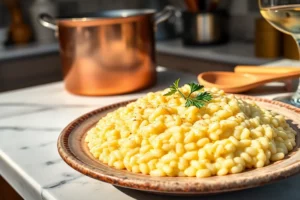
- Risotto: Whole milk is sometimes used to enrich the broth, especially in risotto alla milanese.
- Béchamel Sauce: A cornerstone of lasagna and baked pasta, made by whisking milk into a roux.
- Polenta: Adding milk at the end creates a creamier texture.
- Frittate: Milk lightens omelets and frittatas.
Milk in Desserts and Beverages
- Caffè Latte: The iconic breakfast drink of espresso and steamed milk.
- Panna Cotta: A silky dessert set with cream and milk, often flavored with vanilla.
- Gelato: Authentic Italian gelato uses a higher proportion of milk to cream, resulting in a denser, less fatty texture than ice cream.
- Budino: A milk-based pudding, often with chocolate or caramel.
Cheese Making
Milk is the soul of Italian cheese. Parmigiano Reggiano DOP uses raw cow’s milk from the Po Valley; Mozzarella di Bufala Campana DOP requires fresh buffalo milk; Pecorino Romano DOP is made from sheep milk. Each cheese’s character is shaped by the milk’s fat content, diet of the animals, and local microflora.
“Il latte di bufala è il segreto della vera mozzarella: ricco, dolce, e inconfondibile.” — Consorzio di Tutela Mozzarella di Bufala Campana
How to Choose/Identify Authentic Latte
For the best culinary results, selecting the right milk is crucial. Follow these guidelines:
- Check the label: Look for “Latte Fresco” (fresh pasteurized) for drinking and delicate sauces. “Latte a Lunga Conservazione” (UHT) is fine for pantry storage but has a cooked flavor that may affect fine dishes.
- Origin: Italian milk from known dairy regions (e.g., Lombardy, Emilia-Romagna) often has superior quality. Look for “Prodotto in Italia” or specific regional indications.
- Fat content: For cooking, whole milk (latte intero) is preferred for richness. Semi-skimmed works for everyday use, but skimmed lacks body for sauces and desserts.
- Animal source: For authentic mozzarella, seek buffalo milk (latte di bufala). For pecorino, sheep milk is essential. Cow milk is the most versatile.
- Certifications: While liquid milk has no DOP, look for organic (biologico) or “Latte di Alta Qualità” labels that indicate stricter production standards.
- Avoid additives: Authentic Italian milk should not contain thickeners, preservatives, or added vitamins (except for specific fortified products).
Substitutes
When authentic Italian latte is unavailable, these substitutes can be used, though each alters the final dish:
- Whole cow’s milk (any origin): The closest substitute for general cooking. Use fresh pasteurized for best results.
- Buffalo milk (if available): For mozzarella, buffalo milk is irreplaceable. Cow’s milk mozzarella (fior di latte) is a common substitute but lacks the same creamy tang.
- Goat or sheep milk: For specific cheese recipes, these can be used but will change the flavor profile. For drinking, goat milk is a common alternative in central Italy.
- Plant-based milks: Soy, almond, or oat milk are not traditional in Italian cuisine. They can be used in coffee or baking but will not replicate the dairy richness in sauces or cheese making.
- Powdered milk: Occasionally used in baking or emergency situations, but reconstituted milk lacks the fresh taste and may contain additives.
In Italy, the rule is simple: use the milk that matches the dish’s origin. For a classic risotto, fresh whole cow’s milk; for a Campanian mozzarella, buffalo milk; for a Sardinian pecorino, sheep milk. Substitutes are acceptable only when authenticity is not the goal.
Conclusion
Latte is far more than a simple liquid—it is the foundation of Italian dairy culture. From the fresh, creamy milk drunk at breakfast to the aged wheels of Parmigiano Reggiano, understanding the types, grades, and uses of Italian milk empowers any cook to create more authentic dishes. Whether you are making a silky panna cotta or a robust béchamel, choosing the right latte—fresh, whole, and from a trusted source—makes all the difference. Embrace the Italian philosophy: respect the ingredient, and the flavor will follow.
FAQ
What is the difference between latte fresco and latte a lunga conservazione?
Latte fresco (fresh milk) is pasteurized at lower temperatures (72°C for 15 seconds) and must be kept refrigerated, with a shelf life of 4–6 days. It retains a fresher, more natural flavor. Latte a lunga conservazione (UHT milk) is heated to 135°C for 1–2 seconds, killing more bacteria and allowing it to be stored unopened at room temperature for up to 6 months. UHT milk has a slightly cooked taste and is less suitable for delicate sauces or drinking straight.
Can I use regular cow's milk to make authentic mozzarella?
No, authentic Mozzarella di Bufala Campana DOP must be made from fresh buffalo milk. Cow's milk mozzarella is called fior di latte and is a different product. While you can make a similar cheese with cow's milk, it will lack the rich, creamy, and slightly tangy flavor of buffalo mozzarella.
Is Italian milk organic?
Not all Italian milk is organic, but there is a growing market for latte biologico (organic milk). Organic certification in Italy follows EU regulations, requiring no synthetic pesticides or fertilizers on pastures, and higher animal welfare standards. Look for the 'Biologico' label on the packaging.



Leave a Reply