
Short Answer
What It Is
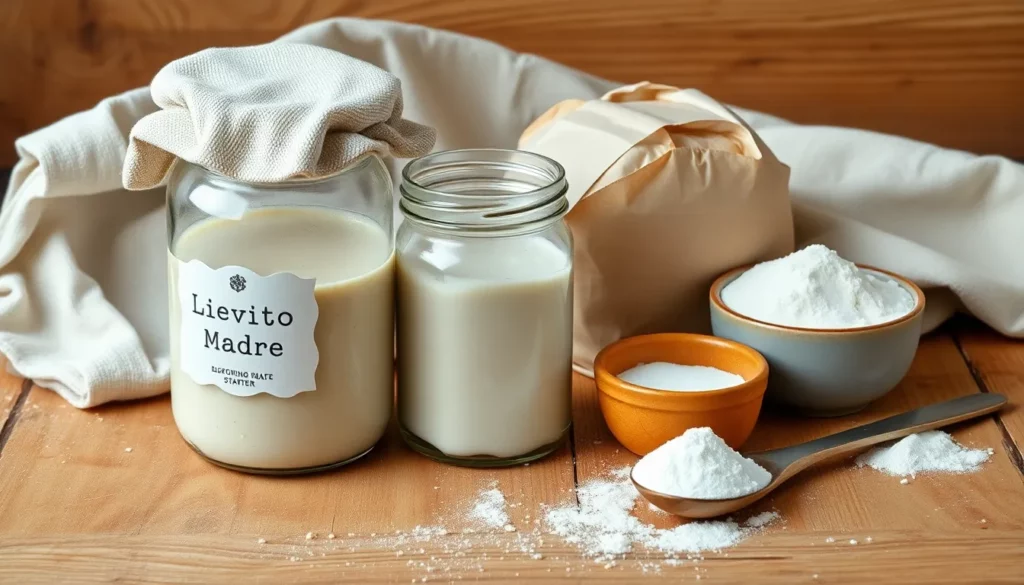
Leavening agents are substances that cause doughs and batters to rise, creating light, airy textures in baked goods. In Italian cuisine, leavening agents are deeply rooted in tradition, with natural methods dating back to ancient Rome. The most revered is lievito madre (mother yeast), a natural sourdough starter made from flour and water, fermented by wild yeasts and lactobacilli. It is particularly associated with Tuscany, where it is used for iconic breads like pane toscano (saltless bread). While not a DOP product itself, lievito madre is the foundation for many DOP breads such as Pane di Altamura and Pagnotta del Dittaino. Other traditional leavening agents include lievito di birra (brewer’s yeast), introduced in the 19th century, and lievito chimico (chemical leavening), which became popular in the 20th century for cakes and pastries. The Italian Ministry of Agricultural Policies recognizes the importance of natural leavening in preserving artisanal baking heritage.
Types & Grades
Italian leavening agents are classified by their origin and method of action. The table below outlines the main types and their characteristics.
| Type | Origin | Form | Typical Use | Grade/Quality |
|---|---|---|---|---|
| Lievito Madre (Natural Sourdough) | Italy (especially Tuscany) | Stiff paste (50% hydration) or liquid (100% hydration) | Artisan breads, pizza, panettone | Artisanal vs. commercial; age of starter matters |
| Lievito di Birra (Brewer’s Yeast) | Europe (commercial production) | Fresh cake (panetto) or dry granules | Bread, pizza, focaccia, brioche | Fresh (high activity) vs. dry (longer shelf life) |
| Lievito Chimico (Baking Powder) | Italy (e.g., Paneangeli brand) | Powder (single-acting or double-acting) | Cakes, biscuits, quick breads | Standard vs. vanillin-flavored; aluminum-free preferred |
| Bicarbonato di Sodio (Baking Soda) | Mineral origin | White powder | Cookies, some breads (with acidic ingredient) | Food grade; purity >99% |
| Crema di Tartaro (Cream of Tartar) | Wine byproduct | White powder | Stabilizing egg whites, activating baking soda | Pure potassium bitartrate |
Grades are often determined by purity, freshness, and production method. For lievito madre, a well-maintained starter aged months or years is considered superior. For lievito di birra, fresh cake yeast is preferred for its robust fermentation, while dry yeast offers convenience. Chemical leavening agents are graded by their reaction speed and absence of metallic aftertaste.
How It’s Used in Cooking
Italian cuisine employs leavening agents in a vast array of traditional dishes. Lievito madre is the soul of Tuscan bread, which relies on a long fermentation (12–24 hours) to develop complex flavors. It is also essential for panettone and colomba pasquale, where the starter is refreshed multiple times over days to achieve the characteristic airy crumb. Lievito di birra is used for quick-rising breads like focaccia, pizza napoletana, and ciabatta. In Naples, pizza dough is typically leavened with fresh yeast for 8–24 hours at room temperature, yielding a soft, elastic crust. Lievito chimico is the go-to for torte (cakes), biscotti (cookies), and ciambelle (ring cakes). Classic examples include torta di mele (apple cake) and ciambellone, a simple lemon-scented cake. Baking soda is used in combination with acidic ingredients like yogurt or honey for crostata doughs and some regional cookies. Cream of tartar is often added to egg whites for meringhe (meringues) and spumoni.
“Il lievito madre è come un animale domestico: va nutrito e curato ogni giorno.” — Traditional Italian baker’s saying
How to Choose/Identify Authentic Leavening Agents
For commercial-intent readers, authenticity and quality are paramount. Here are practical cues:
- Lievito Madre: Look for a tangy, slightly acidic aroma. A healthy starter should double in volume within 4–6 hours after feeding. Avoid starters with pink or orange streaks (signs of spoilage). Reputable sources include artisanal bakeries or online cultures from Italian regions.
- Lievito di Birra: Fresh yeast should be beige, moist, and crumbly with a pleasant yeasty smell. Dry yeast should be vacuum-packed and free of clumps. Check expiration dates; Italian brands like Polar or Mastro Fornaio are reliable.
- Lievito Chimico: Authentic Italian baking powder (e.g., Paneangeli) contains cream of tartar and bicarbonate, often with vanillin. Avoid products with aluminum compounds (e.g., sodium aluminum phosphate) which can leave a metallic taste. Look for “senza glutine” (gluten-free) labels if needed.
- Bicarbonato di Sodio: Choose food-grade sodium bicarbonate from Italian brands like Farmacia Zuccari or Solvay. It should be pure white and free of additives.
- Crema di Tartaro: Opt for pure potassium bitartrate, often sold in Italian specialty stores. Avoid blends with cornstarch.
When purchasing online, verify the product’s origin and read reviews from Italian cooking communities. For DOP breads, the leavening agent is often specified in the production disciplinary.
Substitutes
Italian cuisine offers several authentic substitutes for leavening agents, each suited to specific contexts:
- Lievito Madre substitute: A poolish (equal parts flour and water with a pinch of dry yeast, fermented 12–16 hours) can mimic some sourdough characteristics. For a more direct replacement, use a commercial sourdough starter.
- Lievito di Birra substitute: In bread recipes, you can use a natural sourdough starter (lievito madre) at a 1:1 ratio by weight, but expect longer fermentation. For pizza, a biga (pre-ferment) made with dry yeast can substitute fresh yeast.
- Lievito Chimico substitute: For every teaspoon of baking powder, mix 1/4 teaspoon baking soda + 1/2 teaspoon cream of tartar. Alternatively, use self-rising flour (if available) but adjust liquid.
- Bicarbonato di Sodio substitute: Use baking powder (3x the amount) but reduce any acidic ingredients. Or use potassium bicarbonate (found in some health stores) for a sodium-free option.
- Crema di Tartaro substitute: Lemon juice or white vinegar (1/2 teaspoon per egg white) can stabilize meringues, though cream of tartar is preferred for neutral flavor.
These substitutes maintain the integrity of Italian recipes when the original leavening agent is unavailable.
Conclusion
Italian leavening agents are more than mere ingredients—they are living traditions that shape the country’s culinary identity. From the ancient art of lievito madre to the convenience of modern baking powder, each type offers unique characteristics that influence flavor, texture, and authenticity. By understanding their origins, grades, and proper use, both home cooks and professionals can achieve the lofty heights of Italian baking. Whether you are crafting a rustic Tuscan loaf or a delicate panettone, choosing the right leavening agent is the first step toward success.
FAQ
What is the difference between lievito madre and lievito di birra?
Lievito madre is a natural sourdough starter containing wild yeasts and bacteria, requiring regular feeding and long fermentation (12–24 hours). It imparts a tangy, complex flavor. Lievito di birra is a commercial yeast (Saccharomyces cerevisiae) that works quickly (1–2 hours for dough rise) and has a milder, yeasty taste. The choice depends on the desired flavor profile and time available.
Can I substitute baking powder for yeast in Italian bread recipes?
No, baking powder is not a direct substitute for yeast in traditional Italian breads. Yeast produces carbon dioxide through fermentation, creating a distinct texture and flavor. Baking powder works by chemical reaction and is suitable for cakes and quick breads, not for artisan loaves that require gluten development and long fermentation. For bread, use a preferment or sourdough starter instead.
How do I maintain a lievito madre starter?
Keep it at room temperature (20–25°C) and feed it daily with equal parts flour and water (e.g., 100g flour + 100g water for every 200g starter). Discard half before each feeding to control acidity. If not using frequently, refrigerate and feed once a week. Signs of a healthy starter: pleasant sour aroma, bubbles, and doubling in volume within 4–6 hours after feeding.
Leave a Reply