
Short Answer
What Is Figa garbo e dolce? Italian Preserve Explained
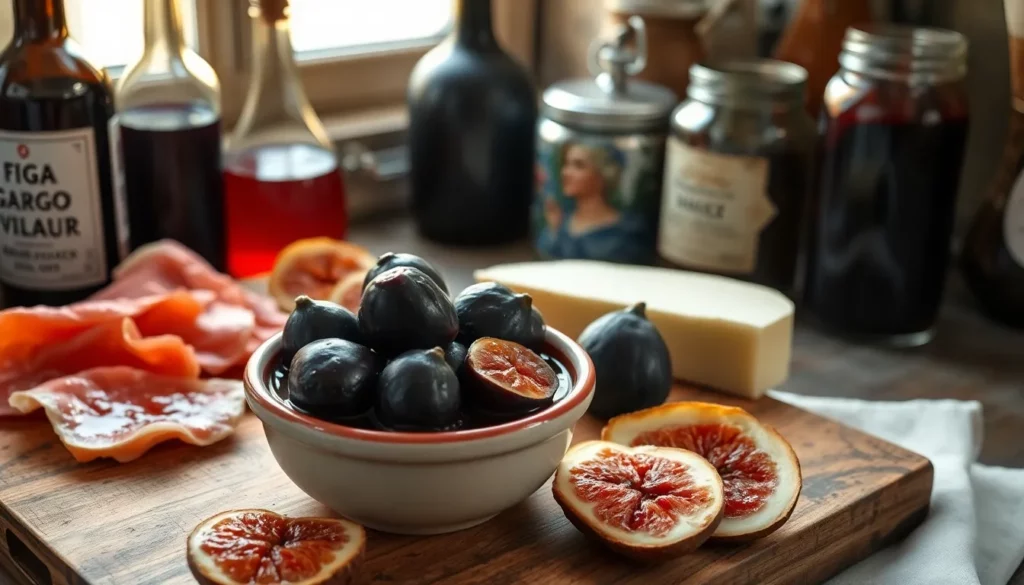
Figa garbo e dolce is a traditional Italian preserve from the Veneto region, made by slowly cooking ripe figs with vinegar, sugar, and aromatic spices until they achieve a harmonious sweet-and-sour flavor. The name itself translates from Venetian dialect as “sour and sweet fig,” reflecting the key taste profile. Typically served as a condiment or antipasto, it pairs beautifully with sharp cheeses, prosciutto, or crusty bread. Unlike many fruit preserves, Figa garbo e dolce is not overly sweet; its acidity and spice complexity make it a distinctive addition to the Italian culinary repertoire.
Origin & History
The origins of Figa garbo e dolce are deeply rooted in the culinary traditions of Venice and the surrounding Veneto region. Historical records suggest that sweet-and-sour fruit preparations were common in Venetian households as early as the Renaissance, influenced by trade with the Middle East and the availability of sugar and vinegar. The Jewish community of Venice, known for its expertise in preserving fruits and vegetables, likely played a role in refining the recipe. Figs, abundant in the Mediterranean climate, were preserved to extend their shelf life and provide a burst of flavor during winter months. Over centuries, the recipe evolved into a staple of Venetian home cooking, passed down through generations. Unlike many myths that claim a single inventor, Figa garbo e dolce is a product of collective domestic tradition, with each family adding its own touch of spices such as cinnamon, cloves, or bay leaves.
What’s In It
The core ingredients of Figa garbo e dolce are simple yet precise: fresh figs (preferably the local “Fico di Cilento” or “Brogiotti” varieties), red or white wine vinegar, granulated sugar, and a blend of spices. Common spices include cinnamon sticks, cloves, star anise, and sometimes a strip of lemon zest. The figs are typically halved or quartered, then simmered gently in a mixture of vinegar and sugar until the liquid thickens into a syrupy glaze and the figs become tender but still hold their shape. The preparation requires patience: low heat and frequent stirring prevent burning. The result is a preserve that is neither jam nor chutney but a unique condiment with a glossy appearance and a complex flavor. It differs from similar Italian dishes like “mostarda” (which uses mustard oil and candied fruit) or “confettura di fichi” (a simple fig jam) by its pronounced acidity and spice profile.
Regional Variations
While Figa garbo e dolce is most closely associated with Venice and the Veneto, variations exist across northern Italy. The following table compares three major regional interpretations:
| Region | Key Characteristics | Spices Used | Typical Pairing |
|---|---|---|---|
| Veneto (Venice) | Balanced sweet-sour, figs whole or halved, syrup medium-thick | Cinnamon, cloves, bay leaf | Aged Asiago, prosciutto Veneto |
| Lombardy (Milan) | Slightly sweeter, often includes mustard seeds, thicker syrup | Mustard seeds, cinnamon, nutmeg | Gorgonzola, salame Milano |
| Emilia-Romagna | More acidic, figs cut into smaller pieces, syrup thinner | Star anise, black pepper, orange zest | Parmigiano-Reggiano, mortadella |
In some coastal areas of Liguria, a version with pine nuts and raisins appears, reflecting the region’s affinity for sweet-savory combinations. Despite these differences, the core principle of balancing fig sweetness with vinegar tang remains constant.
How It’s Traditionally Eaten
Figa garbo e dolce is not a main course but a versatile condiment that appears in multiple courses. It is most commonly served as part of an antipasto platter alongside aged cheeses (Asiago, Parmigiano-Reggiano, or Gorgonzola), cured meats (prosciutto, salami, or bresaola), and crusty bread. It can also be used as a glaze for roasted meats, especially pork or duck, or stirred into yogurt for a sweet-sour breakfast. In Venetian homes, it is often presented in small glass jars as a homemade gift. During holidays like Christmas or Easter, it accompanies rich dishes to cut through fat. It is not typically eaten as a dessert on its own, but a spoonful over vanilla gelato is a modern twist. The preserve keeps well for months when stored in sterilized jars, making it a pantry staple.
Common Mistakes / What It’s Not
A frequent misconception among non-Italian cooks is that Figa garbo e dolce is simply fig jam with vinegar. In reality, the texture should be chunky, not completely smooth, and the vinegar must be prominent, not just a hint. Another mistake is using overripe figs that disintegrate; the figs should be firm-ripe to hold their shape. It is also not a “mostarda” (which contains mustard oil and is typically made with quince or pears) nor a “chutney” (which often includes onions, garlic, and ginger). American-Italian adaptations sometimes add balsamic vinegar, which is not traditional; the original uses wine vinegar. Finally, it is not a quick recipe: proper slow cooking for 45–60 minutes is essential to develop the complex flavor. Avoid rushing by using high heat, which can burn the sugar and create bitterness.
Where to Try It / What to Order
To experience authentic Figa garbo e dolce, travelers should visit the Veneto region, particularly Venice, Padua, and Verona. Look for it in traditional “osterie” or “trattorie” that serve local specialties. In Venice, try “Osteria alle Testiere” or “Trattoria da Fiore” where it may appear on the antipasto menu. For a more rustic experience, visit the weekly market at Rialto, where artisanal producers sell homemade preserves. When ordering, ask for “fighe garbo e dolce” (using the plural dialect form) and specify if you want it as part of a cheese board. Many enotecas (wine bars) also offer it alongside local wines like Prosecco or Valpolicella. For those unable to travel, specialty Italian food shops online carry imported versions, but be sure to check the ingredient list for authentic vinegar and spices.
Related Dishes
- Mostarda Veneta
- Confettura di Fichi
- Saba di Fichi
- Chutney di Fichi Italiano
- Composta di Fichi e Aceto Balsamico
FAQ
What is Figa garbo e dolce?
Figa garbo e dolce is a traditional Venetian sweet and sour fig preserve made by cooking figs with vinegar, sugar, and spices. It is used as a condiment, often served with cheese and cured meats.
How is Figa garbo e dolce different from fig jam?
Unlike fig jam, which is sweet and smooth, Figa garbo e dolce has a pronounced vinegar tang, a chunky texture, and includes spices like cinnamon and cloves. It is less sweet and more savory.
What does Figa garbo e dolce taste like?
It has a balanced sweet and sour flavor with warm spice notes. The figs remain tender but intact, and the syrup is glossy and aromatic.
Can I make Figa garbo e dolce at home?
Yes, but it requires patience. Use firm-ripe figs, red wine vinegar, sugar, and spices. Simmer slowly for about an hour until the syrup thickens. Store in sterilized jars.
What cheese pairs best with Figa garbo e dolce?
Aged cheeses like Asiago, Parmigiano-Reggiano, or Gorgonzola are traditional. The sweetness of the preserve balances the saltiness and sharpness of the cheese.


Leave a Reply