
Short Answer
What It Is
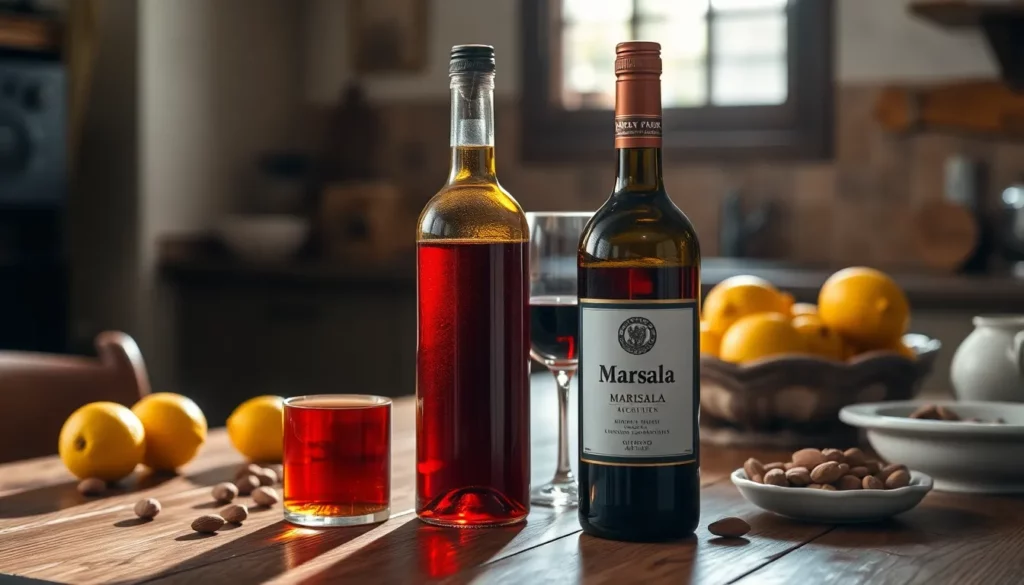
Marsala wine is a fortified wine originating from the region surrounding the city of Marsala in western Sicily, Italy. It has been produced under strict Denominazione di Origine Protetta (DOP) regulations since 1969, ensuring authenticity and quality. The production method involves adding grape brandy (or neutral alcohol) to partially fermented grape must, which stops fermentation and preserves natural sugars while raising the alcohol content to between 15% and 20% ABV. The wine is then aged in oak, chestnut, or cherry wood barrels using a solera system—a fractional blending process that creates consistency and complexity over time. The primary grape varieties used are Grillo, Catarratto, Inzolia, and Damaschino, though other authorized varieties may be included. The unique microclimate of the Sicilian coast, with its sea breezes and hot sun, imparts distinctive mineral and saline notes to the wine.
“Marsala is not just a wine; it is a liquid history of Sicily, carrying the flavors of sun, sea, and ancient tradition.” — Italian wine scholar Luigi Veronelli
Types & Grades
Marsala is classified by aging duration and color, with three main color categories: Oro (golden), Ambra (amber), and Rubino (ruby red, from red grape varieties). The aging grades are defined by the DOP regulations and determine the wine’s complexity and price point.
| Grade | Minimum Aging | Color Types | Characteristics |
|---|---|---|---|
| Fine | 1 year | Oro, Ambra, Rubino | Fresh, fruity, light; ideal for cooking and everyday drinking. |
| Superiore | 2 years | Oro, Ambra, Rubino | More developed flavors; nutty and caramel notes; versatile for both cooking and sipping. |
| Superiore Riserva | 4 years | Oro, Ambra, Rubino | Rich, complex, with dried fruit and spice; excellent for drinking. |
| Vergine / Soleras | 5 years (Vergine) or 10+ years (Soleras) | Oro, Ambra only | Dry, oxidative, with rancio notes; premium sipping wines. |
Additionally, Marsala is classified by sweetness: Secco (dry, less than 40 g/L residual sugar), Semisecco (medium, 40–100 g/L), and Dolce (sweet, over 100 g/L). The sweetness level is indicated on the label and influences culinary pairings.
How It’s Used in Cooking
Marsala wine is a cornerstone of Italian cuisine, particularly in Sicilian and southern Italian cooking. Its versatility spans savory and sweet dishes. Traditional applications include:
- Chicken Marsala – A classic Italian-American dish where chicken breasts are dredged in flour, sautéed, and finished with a sauce of Marsala, mushrooms, and butter.
- Veal Marsala (Saltimbocca alla Marsala) – Thin veal cutlets cooked with prosciutto, sage, and a Marsala reduction.
- Zabaglione – A light, foamy dessert made by whisking egg yolks, sugar, and sweet Marsala over heat; served warm with berries or biscuits.
- Marsala Risotto – A savory risotto where dry Marsala replaces white wine, adding depth and a nutty undertone.
- Desserts – Used in tiramisu variations, poached fruits, and as a glaze for cakes.
When cooking, dry Marsala (Secco) is preferred for savory dishes, while sweet Marsala (Dolce) enhances desserts. The wine’s high alcohol content and concentrated flavors allow it to deglaze pans effectively and create rich, glossy sauces.
How to Choose/Identify Authentic Marsala Wine
To ensure you are purchasing genuine Marsala wine, follow these practical guidelines:
- Look for the DOP seal – Authentic Marsala will display “Marsala DOC” or “Marsala DOP” on the label. This guarantees it was produced in the designated region according to strict regulations.
- Check the producer – Reputable houses include Florio, Pellegrino, Rallo, De Bartoli, and Curatolo Arini. These names have centuries of tradition.
- Avoid “cooking wine” – Many supermarket “cooking Marsala” contain added salt and preservatives. Use a wine you would drink; a Superiore or Fine grade is sufficient for most recipes.
- Read the color and sweetness – For savory cooking, choose Secco (dry) Oro or Ambra. For desserts, Dolce is ideal. Rubino is less common but works in red meat dishes.
- Examine the aging grade – Fine is economical for cooking; Superiore offers better balance. For sipping, invest in Superiore Riserva or Vergine/Soleras.
“The best Marsala for cooking is one you would be happy to drink. Quality shines through in the final dish.” — Chef Gennaro Contaldo
Substitutes
If Marsala is unavailable, several Italian wines can serve as substitutes, each bringing a different character:
- Vin Santo – A sweet, oxidative wine from Tuscany; use in desserts or as a substitute for sweet Marsala. Its raisined notes mimic Marsala’s complexity.
- Passito di Pantelleria – A sweet, aromatic wine from the island of Pantelleria; excellent for desserts and fruit-based sauces.
- Dry Sherry (Fino or Amontillado) – For savory dishes, a dry Sherry replicates the nutty, saline profile of dry Marsala. Use in Chicken Marsala or risotto.
- Madeira – A fortified wine from Portugal with similar oxidative notes; works in both savory and sweet recipes, though it is slightly more acidic.
When substituting, adjust sweetness levels to match the recipe. Avoid using non-fortified wines, as they lack the concentration and body that Marsala provides.
In conclusion, Marsala wine is a multifaceted ingredient that bridges history, terroir, and culinary art. Whether you are deglazing a pan for a weeknight dinner or crafting an elegant dessert, understanding its grades, authenticity markers, and substitutes will elevate your cooking. Choose wisely, and let the sun-drenched flavors of Sicily transform your kitchen.
FAQ
What is the difference between Marsala Fine and Superiore?
Marsala Fine is aged for a minimum of 1 year, making it lighter and fruitier, ideal for cooking. Superiore is aged for at least 2 years, offering more complexity and nutty flavors, suitable for both cooking and drinking.
Can I use Marsala for drinking?
Absolutely. While Fine and Superiore are often used in cooking, Superiore Riserva and Vergine/Soleras grades are crafted for sipping. Choose a dry (Secco) or sweet (Dolce) style based on your preference.
What is the best Marsala for Chicken Marsala?
A dry (Secco) Marsala Superiore in Oro or Ambra is ideal. It provides enough depth without overwhelming sweetness. Avoid sweet Marsala for savory dishes.
Is Marsala wine sweet or dry?
Marsala comes in both sweet (Dolce) and dry (Secco) versions, as well as a medium (Semisecco) option. The sweetness level is clearly labeled, so you can choose according to your recipe or taste.
Leave a Reply